EU-Israel Trade Deal Suspension
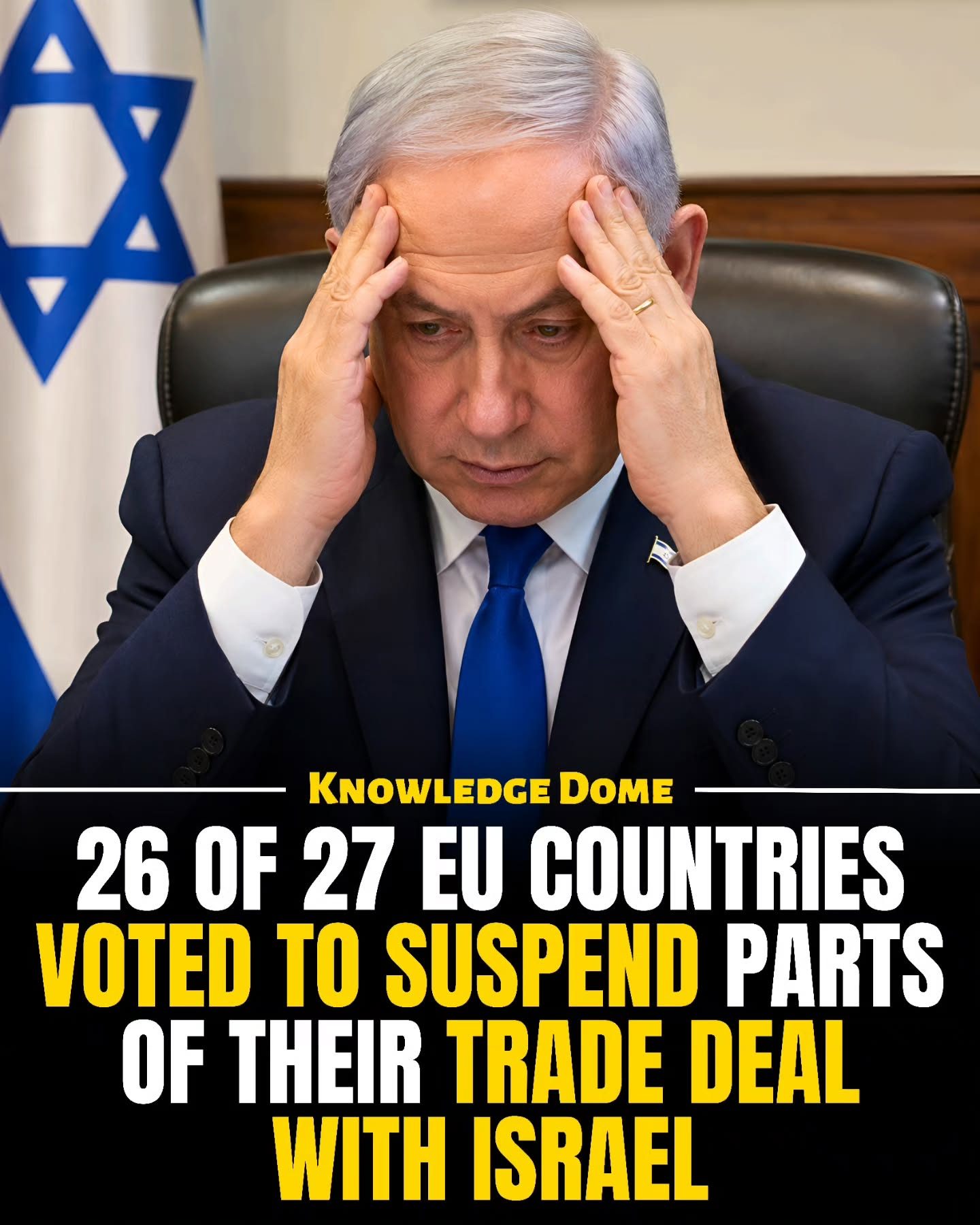
The EU-Israel Association Agreement, a pivotal deal governing trade and political relations between the European Union and Israel, faces a significant development as a large majority of EU member states have voted to partially suspend it. This move, supported by 26 out of 27 EU countries, is driven by concerns over potential human rights violations by Israel. The suspension, however, cannot take effect due to EU rules requiring unanimous agreement on major foreign policy and trade decisions.
Context / Why This Matters
The EU-Israel Association Agreement, signed in 2000, is a comprehensive framework that covers various aspects of bilateral relations, including trade, cooperation in justice and home affairs, and political dialogue. The agreement is founded on shared values, with Article 2 explicitly requiring respect for human rights and democratic principles. This article sets the stage for the recent developments, as countries advocating for the suspension argue that Israel may have breached these fundamental obligations.
The proposal to partially suspend the agreement focuses on revoking some of its special trade benefits rather than completely severing ties. This targeted approach aims to apply pressure on Israel to address human rights concerns without disrupting all economic and political relations.
Main Discussion
The Vote and Its Implications
The vote to suspend parts of the EU-Israel Association Agreement saw overwhelming support, with 26 out of 27 EU member states backing the measure. Countries like Spain, Ireland, and Slovenia were among the strongest advocates for this action, citing Israel's alleged violations of human rights obligations as laid out in the agreement. The primary concern is the impact of Israel's policies on Palestinian territories, which some EU countries believe constitute a breach of human rights and democratic principles.
However, the suspension cannot proceed because the EU's decision-making process requires unanimous consent from all member states on major foreign policy and trade issues. Hungary, widely reported as the country opposing the suspension, has effectively blocked the proposal. While Germany and Italy have favored continued dialogue and negotiations, Hungary's stance has been more resistant, prioritizing maintaining the status quo.
The Role of Article 2
Article 2 of the EU-Israel Association Agreement is pivotal in this context. It stipulates that respect for human rights and democratic principles is essential for the agreement to remain in force. Countries advocating for the suspension argue that Israel's actions in the Palestinian territories violate these principles, making it necessary for the EU to take action. By invoking Article 2, these countries aim to uphold the values that underpin the agreement and the broader EU-Israel relationship.
Hungary's Opposition and Its Impact
Hungary's opposition to the suspension has significant implications for the EU's stance on the issue. Despite widespread support for the measure, Hungary's veto power has prevented the proposal from moving forward. This situation highlights the complexities of decision-making within the EU, where a single member state can block major initiatives, even when they enjoy broad support.
Hungary's position has sparked debates within the EU about the balance between maintaining consistency in foreign policy and respecting individual member states' autonomy. While some countries favor a more assertive approach to addressing human rights concerns, others, including Hungary, prefer a more diplomatic and dialogue-based strategy.
Germany and Italy's Stance
Germany and Italy, two of the EU's largest economies, have taken a middle ground on the issue. Both countries have expressed support for continued dialogue and negotiations with Israel rather than a full suspension of the agreement. This stance reflects a broader EU approach that prioritizes maintaining diplomatic channels while addressing contentious issues.
Their position underscores the importance of maintaining open communication and negotiation as a means of resolving disputes and fostering cooperation. By favoring dialogue, Germany and Italy aim to avoid further escalation while working towards a resolution that respects both Israel's interests and the EU's human rights obligations.
Practical Tips
For those following the developments in EU-Israel relations, it is crucial to stay informed about the evolving dynamics within the EU. Key points to monitor include:
- Monitoring EU Statements: Keep an eye on official statements and communications from the EU and its member states. These documents often provide insights into the EU's stance on the issue and any potential shifts in policy.
- Tracking Diplomatic Efforts: Pay attention to diplomatic efforts and negotiations between the EU and Israel. These discussions can shed light on potential resolutions and the broader direction of the relationship.
- Analyzing Member State Positions: Understand the varied positions of EU member states. Recognizing the different stances can provide a more nuanced view of the EU's approach to the issue and the internal dynamics at play.
- Monitoring Human Rights Reports: Regularly review reports and analyses from human rights organizations. These reports often provide valuable insights into the human rights situation in the region and can inform ongoing discussions and decisions.
Important Takeaways
The EU-Israel Association Agreement remains a cornerstone of bilateral relations, with recent developments highlighting the complexities of balancing trade, politics, and human rights. Key takeaways include:
- Human Rights as a Foundation: The suspension proposal underscores the importance of human rights in international agreements. Countries advocating for the suspension emphasize that respect for human rights is non-negotiable.
- EU Decision-Making: The EU's decision-making process, which requires unanimous consent on major issues, can be both a strength and a challenge. While it promotes consensus, it also means that a single dissenting voice can block significant initiatives.
- The Role of Diplomacy: Continued dialogue and negotiations remain crucial. Germany and Italy's stance highlights the value of diplomatic efforts in resolving disputes and maintaining cooperation.
- Member State Autonomy: The differing positions of EU member states reflect the diversity of opinions within the bloc. Understanding these variations is essential for comprehending the broader EU approach to the issue.
Conclusion
The EU-Israel Association Agreement suspension vote is a significant development in the complex landscape of international relations. While the measure does not go into effect, the widespread support for it and the internal debates within the EU illustrate the importance of human rights in global agreements. The ongoing discussions and negotiations underscore the need for continued dialogue and efforts to address human rights concerns while maintaining diplomatic and economic ties. As the situation evolves, staying informed about the latest developments and the positions of EU member states will be crucial for understanding the future of EU-Israel relations.
Watch the Reel
Questions readers ask
Which EU countries voted to suspend parts of the EU-Israel trade agreement?
Twenty-six out of the twenty-seven EU member states supported the plan to suspend parts of the EU-Israel trade agreement. Hungary was the only country that did not back the proposal.
What is the main reason behind the EU's decision to suspend parts of the trade deal?
The primary reason is to encourage Israel to address human rights concerns. The EU hopes that by suspending parts of the trade agreement, they can pressure Israel to improve its human rights record.
What are the implications of suspending parts of the EU-Israel trade agreement?
The suspension of the EU-Israel trade agreement could lead to a significant impact on trade and political relations. However, the suspension cannot take effect due to EU rules requiring unanimous agreement on such decisions.
What is the EU-Israel Association Agreement?
The EU-Israel Association Agreement is a comprehensive trade and political deal signed in 2000. It covers various aspects of bilateral relations, including trade, cooperation in justice and home affairs, and political dialogue.
How does this decision affect EU-Israel relations?
The decision to suspend parts of the trade agreement is a diplomatic measure intended to address human rights concerns. It could potentially strain relations between the EU and Israel, but the ultimate goal is to encourage positive changes in Israel's policies.
What specific human rights concerns are the EU addressing through this action?
The specific human rights concerns addressed through this action are not explicitly detailed in the article. However, the EU has been vocal about issues such as settlement activities, treatment of Palestinians, and other human rights violations in the region.
What happens if Hungary changes its stance on the suspension?
If Hungary changes its stance and agrees to the suspension, the EU could proceed with partially suspending the EU-Israel trade agreement. This would require a unanimous vote from all 27 member states, and Hungary's support would be crucial for moving forward with the decision.
Recent articles
Fresh deep dives from the latest Reels we unpacked.




Comments
Be the first to comment.