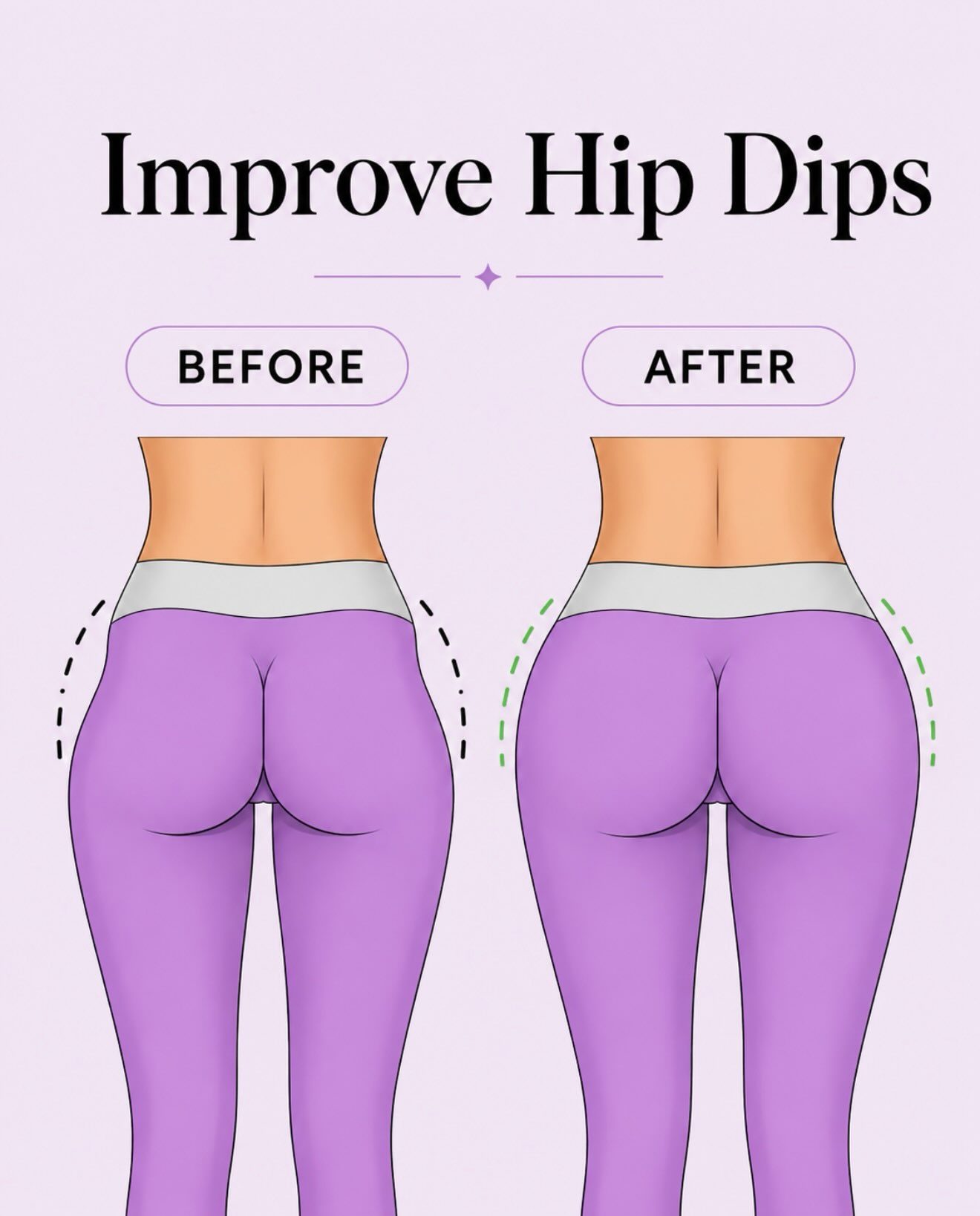
Hip Dips: Understanding and Improving Hip Shape
Hip dips, also known as violin hips, are a natural part of many body types. They are the indentation that occurs below the hip bone, where the thigh meets the pelvis. These dips are largely influenced by genetics, pelvic shape, and the structure of the femur and hip bone. While hip dips are completely normal, some individuals might wish to enhance the appearance of this area by building muscle in the glutes, particularly the glute medius and glute max.
Why This Matters
Understanding hip dips is crucial for setting realistic expectations about body shape and structure. You can't change your natural bone structure, but you can build muscle to create a fuller, more rounded appearance. This involves targeting the right muscles with the right exercises and ensuring proper nutrition to support muscle growth.
Understanding Hip Dips
What Are Hip Dips?
Hip dips are a natural part of many body types and are largely determined by genetics. They are the indentations that occur below the hip bone, where the thigh meets the pelvis. These dips are a result of the natural structure of the pelvis and femur, and they vary from person to person.
Causes of Hip Dips
Hip dips are primarily influenced by:
- Genetics: The shape and structure of your hip bones and pelvis are largely predetermined by your genes.
- Pelvic Shape: The shape of your pelvis can affect the appearance of your hips.
- Bone Structure: The way your femur meets your hip bone can also influence the presence of hip dips.
Myths About Hip Dips
There are several misconceptions about hip dips that are important to address:
- You Can't "Fix" Hip Dips: Hip dips are a natural part of your body structure and cannot be completely eliminated.
- Hip Dips Are Not a Sign of Being Underweight: Hip dips are not necessarily an indication of being underweight. They are simply a result of your body's natural structure.
Training the Right Muscles
To improve the appearance of hip dips, focus on building muscle in the glutes, particularly the glute medius and glute max. These muscles can add volume and shape to the hip area, making the dips less noticeable.
Key Gluteal Muscles
- Glute Max: This is the largest muscle in the gluteal group and is responsible for the shape and power of the buttocks.
- Glute Medius: This muscle is located on the outer surface of the pelvis and plays a crucial role in hip stabilization and rotation.
Effective Glute-Building Exercises
Hip Thrusts
Hip thrusts are a powerful exercise for targeting the glute max. They involve lying on your back with your knees bent and feet flat on the floor, then lifting your hips until your body forms a straight line from your shoulders to your knees.
Bulgarian Split Squats
Bulgarian split squats are great for targeting the glute medius and glute max. They involve standing with one foot elevated behind you and performing a lunge with the front leg.
Romanian Deadlifts
Romanian deadlifts are effective for building strength in the glutes and hamstrings. They involve standing with feet hip-width apart and hinging at the hips to lower a barbell or dumbbells to the ground, then returning to a standing position.
Cable Kickbacks
Cable kickbacks are an isolation exercise that targets the glute max. They involve standing at a cable machine and using one leg to kick backward against the resistance of the cable.
Side-Lying Leg Raises
Side-lying leg raises target the glute medius and help to strengthen the outer hips. They involve lying on your side with your legs extended, then lifting the top leg as high as possible without rotating your pelvis.
Banded Abductions
Banded abductions are a great exercise for targeting the glute medius. They involve standing with a resistance band around your thighs and moving your legs outward against the resistance of the band.
Nutrition for Glute Growth
Proper nutrition is essential for building muscle and supporting growth. When focusing on glute development, prioritize:
- Protein: Aim for a source of protein at each meal to support muscle repair and growth.
- Carbohydrates: Carbs provide the energy needed for intense workouts and help fuel muscle growth.
- Healthy Fats: Include healthy fats in your diet to support overall health and hormone balance.
- Caloric Surplus: Ensure you are consuming enough calories to support muscle growth. Aim for a slight caloric surplus to provide the energy needed for muscle repair and development.
Meal Ideas for Glute Growth
Here are some meal ideas that combine protein, carbs, and healthy fats to support glute growth:
Greek Yogurt Bowl
- Ingredients: Greek yogurt, mixed berries, granola, and a drizzle of honey.
Chicken Rice Plate
- Ingredients: Grilled chicken breast, brown rice, steamed vegetables, and avocado.
Salmon Dinner
- Ingredients: Baked salmon, quinoa, and a side salad with mixed greens and olive oil dressing.
Eggs on Toast
- Ingredients: Scrambled eggs, whole-grain toast, avocado, and a side of spinach.
Practical Tips for Building Fuller Hips
1. Set Realistic Expectations
Understand that you can't completely eliminate hip dips, but you can build muscle to create a fuller, more rounded appearance. Be patient and set realistic goals for yourself.
2. Train with Intention
Focus on exercises that target the glute max and glute medius. Incorporate a variety of movements to ensure you are hitting all angles of the glutes.
3. Progress Over Time
Real change comes from progressive overload: more reps, more weight, better control, and staying consistent over time. Gradually increase the intensity of your workouts to continue challenging your muscles.
4. Eat Enough to Grow
Nutrition is key to building muscle. Ensure you are consuming enough protein, carbs, and healthy fats to support muscle growth.
Important Takeaways
- Acceptance: Hip dips are a natural part of many body types and cannot be completely eliminated. Accept your body and focus on building muscle to enhance your natural shape.
- Consistency: Building muscle takes time and consistency. Stay committed to your workouts and nutrition plan to see gradual improvements.
- Progressive Overload: To see real change, gradually increase the intensity of your workouts. Real change comes from progressive overload, more reps, more weight, better control, and staying consistent over time.
- Nutrition: Proper nutrition is essential for building muscle. Ensure you are consuming enough protein, carbs, and healthy fats to support muscle growth.
- Patience: Body composition changes take time. Be patient and focus on gradual improvements rather than expecting overnight results.
Conclusion
Hip dips are a natural and common feature of many body types. While they cannot be completely eliminated, building muscle in the glutes can help create a fuller, more rounded appearance. Focus on training the right muscles, eating a balanced diet, and being patient with your progress. With consistency and the right approach, you can achieve your fitness goals and feel confident in your body.
Watch the Reel
Questions readers ask
What are hip dips and are they normal?
Hip dips, also known as violin hips, are indentations that occur below the hip bone, where the thigh meets the pelvis. They are a natural feature of many body types and are largely influenced by genetics and bone structure. Hip dips are completely normal and not a sign of being underweight.
Can you change the shape of your hips?
You cannot change your natural bone structure, which includes the shape and size of your hips. However, you can build muscle in your glutes, particularly the glute medius and glute max, to create a fuller, more rounded appearance. This can help enhance the shape of your hips.
Which glute exercises are best for creating fuller hips?
To achieve fuller hips, focus on exercises that target the glute medius and glute max. Effective exercises include hip thrusts, squats, lunges, and lateral band walks. Incorporating these exercises into your workout routine can help build and strengthen the glutes, enhancing the appearance of your hips.
What are some hip exercises I can do at home with minimal equipment?
There are several effective hip exercises you can do at home with minimal equipment. Bodyweight exercises like squats, lunges, and glute bridges are excellent for targeting the glutes. Adding resistance with dumbbells or resistance bands can further enhance the effectiveness of these exercises.
How often should I perform glute exercises to see improvements in my hip shape?
For noticeable improvements, aim to perform glute exercises at least 2-3 times per week. Consistency is key, so make sure to include a variety of exercises that target different parts of the glutes. Allow for adequate rest and recovery between workouts to support muscle growth and overall progress.
Can using an app help improve my hip shape?
Using a fitness app can be a great tool for improving your hip shape. Many apps offer guided workouts, exercise demonstrations, and progress tracking, which can help you stay motivated and consistent. Look for apps that focus on glute and hip exercises and provide structured workout plans.
Are there any specific glute exercises that target hip dips directly?
While you cannot target hip dips directly, exercises that focus on the glute medius, such as lateral band walks and clamshells, can help build muscle around the hip area. Incorporating these exercises into your routine can contribute to a more balanced and fuller hip appearance over time.
Recent articles
Fresh deep dives from the latest Reels we unpacked.




Comments
Be the first to comment.