Age-Reversal Therapy: A New Frontier in Human Health
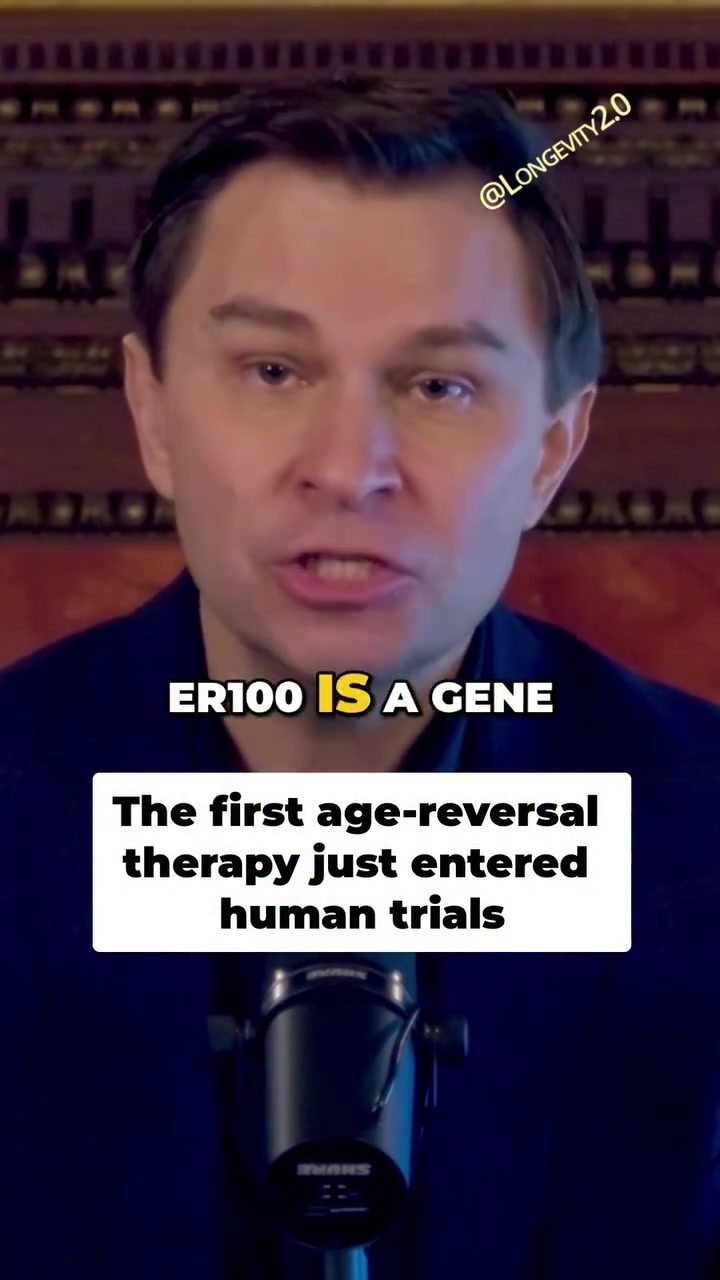
The field of age-reversal therapy has taken a significant leap forward with the advent of ER100, a gene therapy developed by LONGEVITY2.0. This innovative treatment, which contains the OSK genes, is designed to reset epigenetic age and was approved by the FDA for human clinical trials in January 2026. The implications of this therapy extend far beyond just vision restoration; it holds promise for addressing a wide range of age-related ailments, including neurological diseases, hearing loss, and tissue degeneration.
Why This Matters
Age-reversal therapy represents a paradigm shift in medical science. For decades, the focus has been on treating the symptoms and consequences of aging rather than addressing the aging process itself. ER100, with its potential to reverse biological age markers, could change this. The successful application of this therapy in patients with vision loss due to retinal nerve damage could pave the way for broader applications in other areas of medicine.
Main Discussion
The Science Behind ER100
ER100 is based on the OSK genes, which are known to restore more youthful cellular function. The therapy works by injecting the gene directly into the eye, where it travels through the liquid and reaches the nerves in the retina. In glaucoma patients, the increased pressure in the eye causes the optic nerves to age rapidly, leading to defects that impair vision. ER100 aims to reverse this process, making the defective nerves younger and functional again.
Delivery and Mechanism
The injection process for ER100 is described as quick and painless. The therapy's delivery mechanism is straightforward: the genes move through the eye's liquid and find their way to the back of the retina, where the optic nerves are located. From there, the nerves begin the process of regeneration, potentially restoring vision within about six weeks.
Potential Implications
The potential implications of ER100 go far beyond vision restoration. The retina is part of the central nervous system, and successful trials could provide valuable insights into treating other age-related neurological conditions. This includes neurodegenerative diseases, hearing loss, nerve injuries, and even age-related tissue decline throughout the body. If ER100 proves effective, it could mark the beginning of a new era in medical science, where aging itself is treated rather than its symptoms.
Practical Tips
While ER100 is still in the early stages of human clinical trials, there are several practical considerations for those interested in age-reversal therapies:
-
Stay Informed: Keep up-to-date with the latest research and developments in the field. This includes following reputable sources and staying in touch with organizations like LONGEVITY2.0 that are at the forefront of this research.
-
Consult Healthcare Providers: If you or someone you know is affected by age-related vision loss, it's crucial to consult with healthcare providers who are knowledgeable about the latest treatments and clinical trials.
-
Participate in Clinical Trials: For those who meet the criteria, participating in clinical trials can provide access to cutting-edge treatments while contributing to the advancement of medical science.
-
Maintain a Healthy Lifestyle: While awaiting advancements in age-reversal therapies, maintaining a healthy lifestyle can support overall well-being. This includes a balanced diet, regular exercise, and managing stress.
Important Takeaways
-
First-Ever Approval: ER100 is the first epigenetic reprogramming therapy to receive FDA clearance for human clinical trials, marking a significant milestone in the field of age-reversal therapy.
-
Gene Therapy: The therapy utilizes the OSK genes to restore youthful cellular function, with remarkable results in animal studies, including the restoration of vision and rejuvenation of optic nerve cells.
-
Clinical Trials: The ongoing human trials are targeting vision loss caused by retinal nerve cell damage, with the hope that the therapy will improve vision by rejuvenating the defective nerve cells.
-
Broader Implications: The potential of ER100 extends beyond vision restoration to other age-related conditions, including neurodegenerative diseases, hearing loss, and tissue decline.
Conclusion
The development of ER100 and its entry into human clinical trials represent a groundbreaking step in the field of age-reversal therapy. While the journey from clinical trials to widespread application is long and fraught with challenges, the potential benefits are enormous. By focusing on the underlying aging process rather than its symptoms, ER100 and similar therapies could revolutionize the way we approach human health and longevity. The future of age-reversal therapy is bright, and ER100 is leading the way.
Watch the Reel
Questions readers ask
What are OSK genes and how do they contribute to age-reversal therapy?
OSK genes are a combination of Oct4, Sox2, and Klf4, which are crucial in reprogramming cells. In the context of ER100 gene therapy, these genes help reset the epigenetic age, effectively turning back the clock on cellular aging and providing a pathway to address various age-related conditions.
How does ER100 gene therapy specifically target vision restoration?
ER100 gene therapy targets the OSK genes to regenerate damaged nerve cells. This mechanism is particularly beneficial for conditions like glaucoma, where vision loss is often due to the degeneration of nerve cells, including those in the optic nerve.
What are the potential benefits of ER100 gene therapy beyond vision restoration?
ER100 gene therapy has the potential to combat a wide range of age-related diseases, including neurological conditions, hearing loss, and tissue degeneration. By reversing biological age, this therapy may offer new avenues for treating conditions previously considered untreatable.
Why is the approval of ER100 for human trials in 2026 significant?
The FDA's approval of ER100 for human trials in January 2026 marks a pivotal moment, as it validates the therapy's potential and paves the way for extensive research. This step is crucial for understanding the therapy's efficacy and safety in humans, potentially leading to groundbreaking advancements in treating age-related conditions.
What makes ER100 gene therapy different from other anti-aging treatments?
ER100 gene therapy stands out because it directly addresses the aging process by targeting the OSK genes. Unlike other treatments that focus on mitigating symptoms, ER100 aims to reset biological age, offering a more comprehensive approach to tackling age-related diseases.
How might ER100 gene therapy impact the treatment of neurological diseases?
By targeting the OSK genes, ER100 gene therapy can potentially regenerate damaged nerve cells, which is beneficial for neurological diseases. This therapy's ability to reverse biological age may slow or even halt the progression of these diseases, providing new hope for patients.
What can patients with glaucoma expect from ER100 gene therapy?
Patients with glaucoma may experience significant benefits from ER100 gene therapy, particularly in vision restoration. The therapy targets the regeneration of nerve cells in the eye, which can help improve visual function and potentially slow or reverse the progression of glaucoma.
Recent articles
Fresh deep dives from the latest Reels we unpacked.




Comments
Be the first to comment.