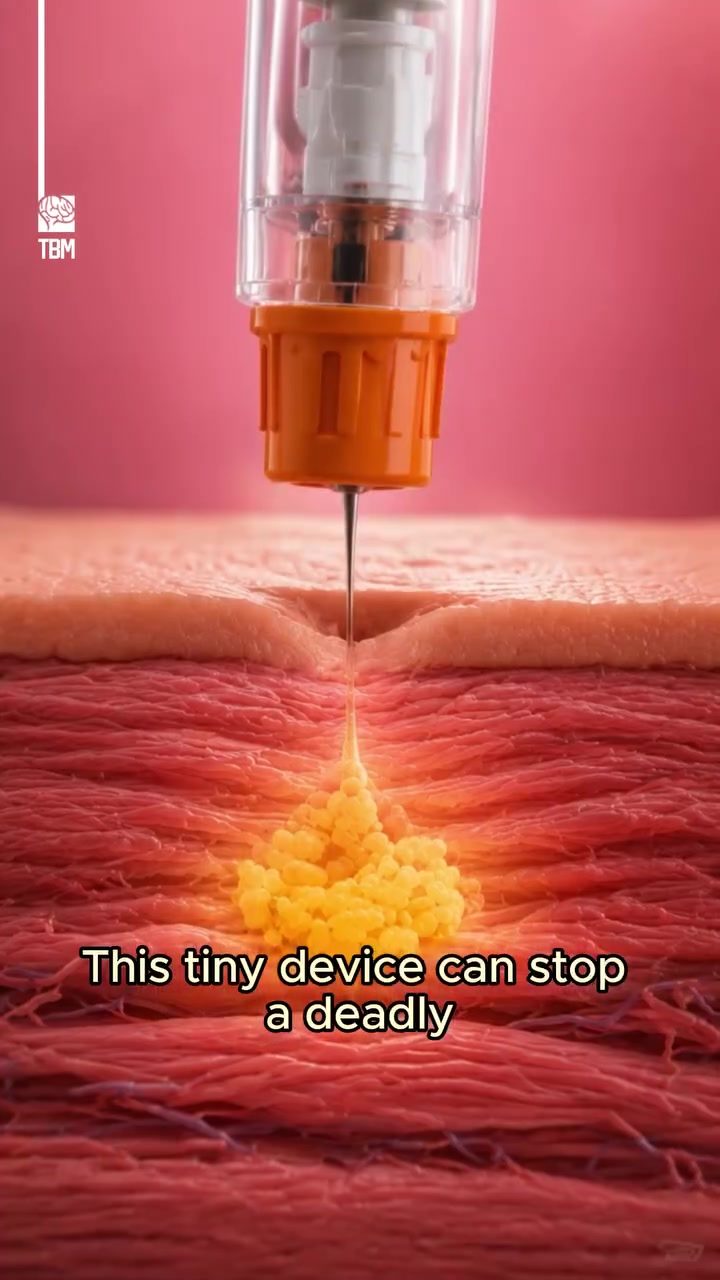
EpiPens are an essential tool for anyone at risk of experiencing a severe allergic reaction. They deliver epinephrine, a fast-acting drug that helps manage anaphylaxis—a potentially life-threatening allergic reaction. Here, we explore what an EpiPen is, how it works, and why it is crucial for those with severe allergies.
Context / Why this matters
Allergic reactions can range from mild to severe. Anaphylaxis is the most severe type of allergic reaction, characterized by symptoms such as difficulty breathing, swelling of the throat and face, and a sudden drop in blood pressure. These symptoms can be fatal if not treated immediately. An EpiPen is designed to provide rapid relief by delivering epinephrine directly into the muscle, helping to counteract the effects of anaphylaxis and buying valuable time until medical care is available.
Main discussion
What is an EpiPen?
An EpiPen is a pre-measured dose of epinephrine, also known as adrenaline, contained in a compact, easy-to-use injection device. It is designed for emergency use in cases of severe allergic reactions. The device is small enough to fit in a purse or pocket, making it highly portable and ready for use at a moment's notice.
How does an EpiPen work?
When an allergic reaction occurs, the body releases histamines and other chemicals that can cause swelling, difficulty breathing, and a drop in blood pressure. Epinephrine works by:
- Tightening blood vessels to raise blood pressure, which helps counteract the drop caused by the allergic reaction.
- Relaxing muscles around the airways, making it easier to breathe.
- Reducing swelling in the throat and face, which can help clear airways and ease breathing.
The combined effects of these actions help to slow the allergic reaction and provide crucial time for medical intervention.
The EpiPen and Anaphylaxis
Anaphylaxis is a severe allergic reaction that can occur within seconds to minutes of exposure to an allergen. Symptoms may include:
- Difficulty breathing or wheezing
- Swelling of the throat and tongue
- Rapid pulse
- Sudden drop in blood pressure
- Skin reactions such as hives or severe itching
Epinephrine is the first-line treatment for anaphylaxis, and it is essential to administer it as quickly as possible. The EpiPen is designed to be injected into the outer thigh muscle, where it can quickly enter the bloodstream and begin to counteract the severe allergic reaction.
Why is an EpiPen important?
An EpiPen is a crucial tool for anyone with severe allergies. It provides immediate relief from an allergic reaction, which can be life-saving in situations where medical care is not immediately available. While an EpiPen can slow the progression of an allergic reaction, it is not a complete treatment. It is essential to seek emergency medical care immediately after using an EpiPen.
Practical tips
How to Use an EpiPen
- Remove the Safety Cap: Hold the EpiPen in your fist and firmly pull off the blue safety cap.
- Inject: Swipe the orange tip against the outer thigh (through clothing if necessary) and inject by pressing hard until you hear a click. Hold for 10 seconds.
- Call for Help: Immediately call emergency services or go to the nearest medical facility.
- Follow Up: After using the EpiPen, seek medical attention even if symptoms improve, as the reaction can worsen or return.
Storing and Maintaining an EpiPen
It is essential to store your EpiPen properly to ensure it is always ready for use. Here are some key points:
- Temperature: Store your EpiPen at room temperature, away from direct sunlight and extreme temperatures.
- Expiration Date: Check the expiration date regularly and replace it as needed. Most EpiPens have an expiration date of approximately 12-18 months from the date of manufacture.
- Inspection: Inspect the solution through the viewing window regularly. If it appears discolored or contains particles, replace it immediately.
When to Use an EpiPen
It is crucial to use an EpiPen as soon as symptoms of a severe allergic reaction are recognized. Symptoms to look out for include:
- Difficulty breathing
- Swelling of the throat or face
- Rapid pulse
- Sudden drop in blood pressure
The sooner epinephrine is administered, the more effective it will be in slowing the allergic reaction.
Important takeaways
An EpiPen is a lifesaving device for those at risk of severe allergic reactions. Here are the key points to remember:
- Immediate Relief: An EpiPen provides rapid relief from anaphylaxis symptoms.
- First-Line Treatment: Epinephrine is the first-line treatment for severe allergic reactions.
- Emergency Use: Always carry an EpiPen and know how to use it in case of an emergency.
- Seek Medical Care: After using an EpiPen, seek immediate medical attention.
- Proper Storage: Store your EpiPen correctly and inspect it regularly.
Conclusion
An EpiPen is a vital tool for managing severe allergic reactions. By delivering epinephrine directly into the muscle, it helps to counteract the effects of anaphylaxis and provides valuable time for medical intervention. Understanding how an EpiPen works, how to use it, and the importance of seeking immediate medical care are all crucial factors for anyone at risk of severe allergic reactions. Always be prepared and know how to respond in case of an emergency.
Watch the Reel
Questions readers ask
What is an EpiPen and how does it work?
An EpiPen is an auto-injector device that delivers a dose of epinephrine, a hormone that helps to counteract the symptoms of anaphylaxis. When used, it rapidly delivers epinephrine into the muscle, helping to relieve symptoms such as swelling, difficulty breathing, and low blood pressure. It is designed for immediate, on-the-spot use in emergency situations.
Why is epinephrine important in treating severe allergic reactions?
Epinephrine is crucial in treating severe allergic reactions because it works quickly to reverse the body's overreaction to an allergen. It helps to open up airways, reduce swelling, and stabilize blood pressure, providing vital time for further medical intervention.
What are the signs that an EpiPen should be used?
An EpiPen should be used immediately if someone is showing signs of anaphylaxis, which can include symptoms like difficulty breathing, swelling of the throat or tongue, rapid pulse, dizziness, and a severe drop in blood pressure. If these symptoms are present, it indicates a life-threatening reaction that requires immediate epinephrine injection.
How should an EpiPen be administered in an emergency?
To use an EpiPen, first remove the safety cap and hold the device in your fist. Place the tip against the outer thigh and swing the arm down to inject the epinephrine. Hold the device in place for 3 seconds, then remove it and massage the area for about 10 seconds. Always follow the specific instructions provided by your healthcare provider.
What should you do after using an EpiPen?
After using an EpiPen, call emergency services immediately, as the effects of epinephrine are temporary and symptoms may return. Stay with the person and monitor their condition until medical help arrives. If possible, have someone else call for help while you administer the EpiPen.
Can an EpiPen be used for mild allergic reactions?
No, EpiPens are specifically designed for severe allergic reactions (anaphylaxis) and should not be used for mild or moderate allergic reactions. Using an EpiPen for a mild reaction can lead to unnecessary risks and side effects. Always consult with a healthcare provider for guidance on managing allergic reactions.
How long does it take for an EpiPen to work?
An EpiPen works very quickly, typically within a few minutes. Epinephrine begins to relieve symptoms such as difficulty breathing and low blood pressure almost immediately after injection, providing crucial time for further medical intervention and transport to a hospital. However, the effects are temporary, so it is essential to seek emergency medical care right away.
Related deep dives
Similar reads based on topic and creator.


Recent articles
Fresh deep dives from the latest Reels we unpacked.




Comments
Be the first to comment.