Using Steroids to Relieve a Pinched Nerve in the Neck
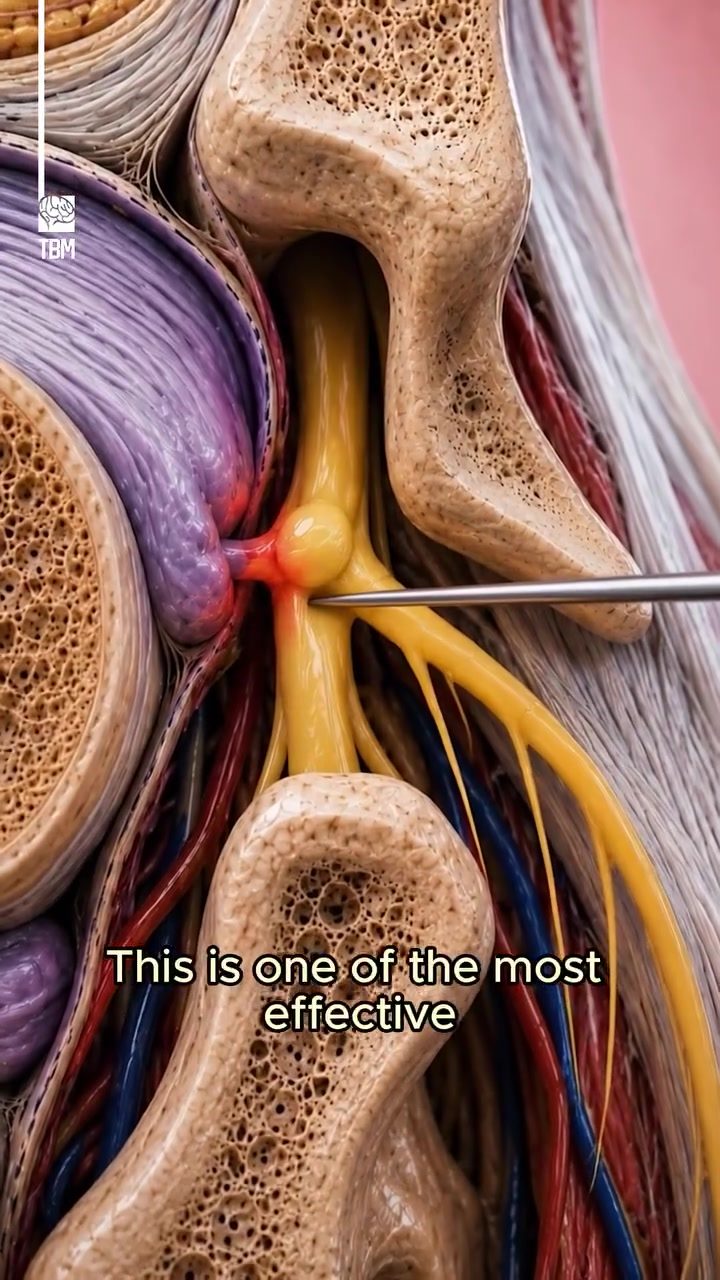
A pinched nerve in the neck, medically known as cervical radiculopathy, can be incredibly debilitating. This condition causes pain, tingling, numbness, and weakness that can spread from the neck to the shoulder, arm, and even the fingers. While there are various treatments available, one of the most effective non-surgical options is an epidural steroid injection. This minimally invasive procedure uses X-ray guidance to deliver medication near the irritated nerve, reducing inflammation and pressure, and potentially alleviating pain without the need for surgery. This approach can be especially useful for conditions like a herniated disc or spinal stenosis, which contribute to nerve compression.
Why Targeted Steroid Injections Matter
Understanding the importance of targeted steroid injections starts with recognizing the underlying issues. Conditions such as a herniated disc or spinal stenosis can put significant pressure on the nerve roots in the neck. This pressure can lead to severe symptoms that impact daily life and mobility. By directly targeting the irritated nerve, epidural steroid injections offer a precise and effective solution.
The Role of Inflammation
Inflammation is a key factor in nerve compression. When inflammation occurs, it swells the affected area, increasing the pressure on the nerve. The steroid in the injection works by reducing this inflammation, thereby relieving the pressure on the nerve and alleviating the associated pain and discomfort.
Non-Surgical Intervention
For many, the thought of surgery can be daunting. Epidural steroid injections provide a non-surgical alternative that can be very effective. This intervention allows for a quicker recovery time and avoids the risks and complications that can come with surgery. It's a valuable option for those seeking relief without the invasiveness of surgical procedures.
The Procedure: Step-by-Step
The epidural steroid injection procedure is meticulously designed to ensure precision and patient comfort. Here’s a breakdown of what happens during the treatment:
Preparation and Numbing
The process begins with the doctor numbing the skin around the injection site to ensure comfort throughout the procedure. This step is crucial for minimizing any discomfort the patient might experience.
Imaging Guidance
Using live X-ray guidance, the doctor carefully positions a thin needle near the irritated nerve root. This imaging technology allows for precise needle placement, ensuring that the medication is delivered exactly where it is needed.
Contrast Dye
To confirm the needle is in the correct position, a small amount of contrast dye is injected. This dye helps visualize the path of the needle, ensuring it is accurately placed near the nerve.
Steroid and Anesthetic Injection
Once the needle is correctly positioned, a mixture of a powerful anti-inflammatory steroid and a local anesthetic is delivered. This injection targets the epidural space surrounding the nerve. The steroid works to reduce inflammation and swelling, while the anesthetic provides immediate pain relief.
Relief and Recovery
After the injection, the steroid begins to reduce the inflammation and swelling around the nerve, relieving pressure and alleviating symptoms. This process can take a few days to a week, and the benefits can last for several weeks or even months, depending on the individual.
Practical Tips for Managing a Pinched Nerve
Initial Management
Immediate relief can often be found through non-invasive methods. Over-the-counter pain relievers and anti-inflammatory medications can help manage pain and reduce swelling. Additionally, using a neck support pillow to maintain proper posture can alleviate symptoms.
Physical Therapy
Regular physical therapy sessions can also be beneficial. A physical therapist can provide exercises that strengthen the neck muscles and improve posture, reducing the likelihood of further nerve compression.
Lifestyle Changes
Maintaining a healthy lifestyle is crucial. Regular exercise, a balanced diet, and maintaining a healthy weight can help reduce the strain on your neck and spine, minimizing the risk of a pinched nerve.
Important Takeaways
Effective Pain Management
Epidural steroid injections are a highly effective way to manage pain associated with a pinched nerve. The precise delivery of the steroid directly to the affected area ensures that inflammation is reduced, providing significant relief.
Minimally Invasive
This procedure is minimally invasive, making it an attractive option for those who want to avoid surgery. It offers a quicker recovery time and fewer risks compared to surgical interventions.
Long-Term Relief
While the effects of the injection can vary, many patients experience long-term relief from their symptoms. This can be particularly beneficial for those suffering from chronic pain due to nerve compression.
Consultation with a Health Professional
It is essential to consult with a healthcare provider to determine if an epidural steroid injection is the right treatment option. A thorough evaluation of your condition and medical history will help ensure that this treatment is safe and effective for you.
Conclusion
Epidural steroid injections offer a powerful solution for those suffering from a pinched nerve in the neck. By reducing inflammation and relieving pressure on the nerve, this minimally invasive procedure can significantly improve quality of life. From the precision of the injection to the long-term benefits, epidural steroid injections are a valuable tool in managing nerve-related pain and discomfort. If you are experiencing symptoms of a pinched nerve, consulting with a healthcare professional to discuss this treatment option could be a step toward finding relief.
Watch the Reel
Questions readers ask
What are the primary benefits of an epidural steroid injection for treating a pinched nerve in the neck?
Epidural steroid injections offer targeted pain relief by reducing inflammation and pressure on the irritated nerve. The procedure is minimally invasive and can provide significant relief for symptoms such as pain, tingling, and numbness associated with cervical radiculopathy. It can be particularly effective in treating conditions like herniated discs and spinal stenosis, often avoiding the need for surgery.
How does an epidural steroid injection work to alleviate pinched nerve symptoms?
The injection delivers a steroid medication directly to the affected area using X-ray guidance. This targeted approach helps to reduce inflammation around the nerve, alleviating pressure and subsequently relieving pain and other symptoms such as tingling and numbness. The process is designed to be precise and effective.
What conditions are commonly treated with epidural steroid injections for pinched nerve relief?
Epidural steroid injections are commonly used to treat conditions such as cervical radiculopathy, herniated discs, and spinal stenosis. These conditions often cause nerve compression in the neck, leading to pain and other symptoms that can radiate down the arm and into the fingers. The injections help to address these symptoms by targeting the source of the discomfort.
What can I expect during the epidural steroid injection procedure?
During the procedure, a healthcare professional will use X-ray guidance to precisely deliver the steroid medication to the affected nerve. The process typically takes about 15 to 30 minutes and is performed on an outpatient basis, meaning you can go home the same day. Some patients may experience immediate pain relief, while others might notice improvement over the next few days to weeks.
Are there any potential side effects or risks associated with epidural steroid injections?
While epidural steroid injections are generally safe, potential side effects may include temporary numbness, increased pain, or headache. More rarely, there could be infection, bleeding, or allergic reactions to the medication. It's essential to discuss any concerns with your healthcare provider beforehand, and follow any post-procedure instructions to minimize risks.
Recent articles
Fresh deep dives from the latest Reels we unpacked.




Comments
Be the first to comment.