Industrial Machines: Precision and Engineering in Action
Industrial machines are the backbone of modern manufacturing, enabling the production of goods on a massive scale. These complex systems often feature intricate mechanical components working in unison to achieve precise and efficient results.
Why This Matters
Understanding the mechanics of industrial machines is crucial for anyone involved in manufacturing, engineering, or logistics. These machines are designed to handle a wide range of tasks, from cutting and shaping materials to assembling complex products. The precision and efficiency of these machines directly impact the quality and cost of the final products, making them indispensable in various industries.
Main Discussion
Mechanical Components
Industrial machines often include a variety of mechanical components, each serving a specific function. Key components include:
- Pistons: These are essential for converting linear motion into rotational motion, enabling the machine to perform tasks that require forceful movement.
- Cylinders: Provide the necessary force for moving parts within the machine, allowing for controlled and precise actions.
- Connecting Rods: These link the pistons to the crankshaft, ensuring the smooth and coordinated movement of the entire system.
Precision Engineering
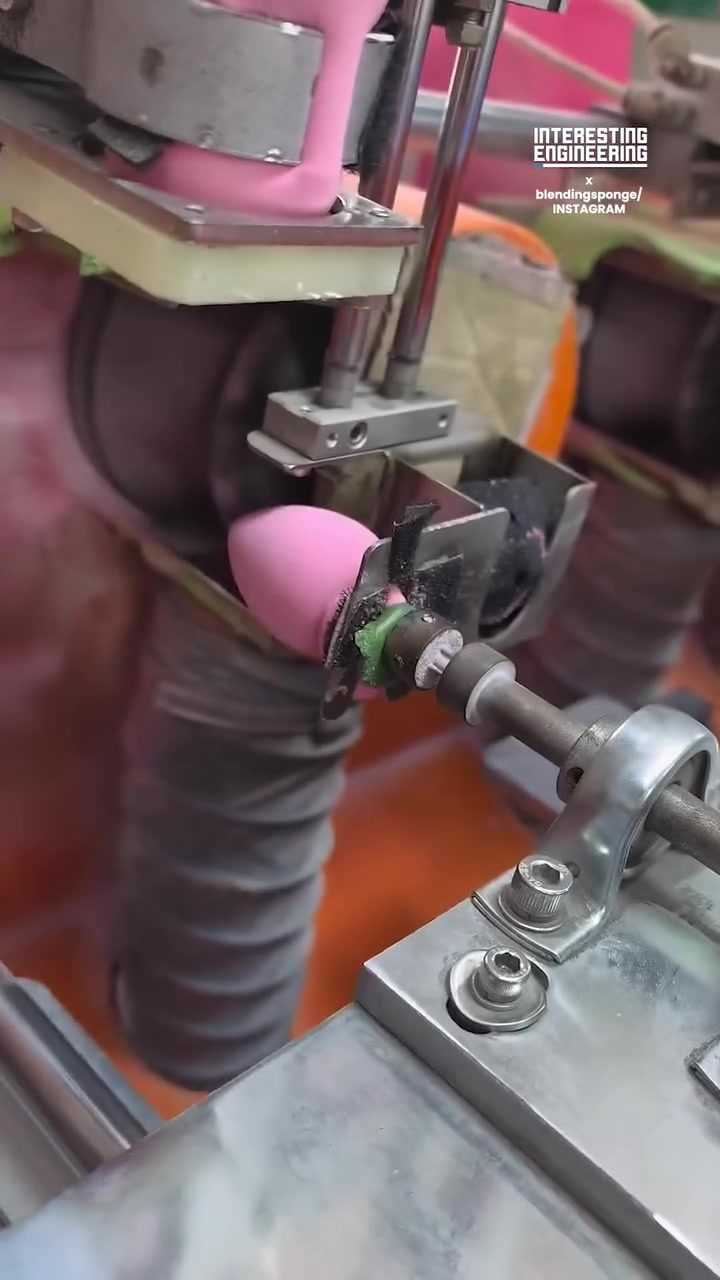
The design and operation of industrial machines require meticulous engineering. The pink and green components seen in the machine suggest a role in material blending or shaping, highlighting the advanced engineering required to ensure seamless operation. This level of precision is essential for producing high-quality goods efficiently.
Material Handling
The ability of a machine to handle different materials is crucial for its versatility. The moving blade slicing through a foam block in smooth, even passes showcases how well-designed industrial machinery can handle delicate materials. This precision ensures that the material separates cleanly with each cut, reducing waste and enhancing productivity.
Design and Function
The intricate engineering of industrial machines involves not just the individual components but also how they work together. The coordinated movement of pistons, cylinders, and connecting rods ensures that the machine operates smoothly and efficiently. This design not only increases productivity but also reduces the risk of breakdowns and maintenance needs.
Practical Tips
Maintenance and Upkeep
Regular maintenance is key to keeping industrial machines in optimal working condition. This includes:
- Lubrication: Ensuring that all moving parts are well-lubricated to minimize friction and wear.
- Inspection: Regularly inspecting the machine for any signs of wear or damage.
- Cleaning: Keeping the machine clean to prevent the buildup of debris that could affect its performance.
Safety Precautions
Working with industrial machinery requires strict adherence to safety protocols. Key precautions include:
- Protective Gear: Always wear appropriate protective gear, including gloves, goggles, and ear protection.
- Training: Ensure that all operators are well-trained in the safe operation of the machine.
- Emergency Procedures: Having clear emergency procedures in place in case of accidents.
Efficiency Enhancements
To maximize the efficiency of industrial machines, consider the following strategies:
- Upgrade Components: Regularly update and upgrade components to the latest technology to improve performance.
- Optimize Settings: Fine-tune the machine settings to match the specific requirements of the task at hand.
- Monitor Performance: Use monitoring tools to track the machine's performance and make necessary adjustments.
Material Selection
Choosing the right materials for your industrial tasks is crucial. For example, foam blocks require a blade that can cut through the material smoothly and evenly. Ensure that the blade is sharp and designed for the specific material you are working with.
Important Takeaways
Industrial machinery is a cornerstone of modern manufacturing, enabling the production of goods with unmatched precision and efficiency. The intricate design and coordinated movement of components like pistons, cylinders, and connecting rods are essential for the machine's smooth operation. Regular maintenance, safety precautions, and efficiency enhancements are crucial for maximizing the performance and longevity of these machines. Choosing the right materials and ensuring proper handling can further enhance productivity and reduce waste.
Conclusion
Industrial machines play a vital role in various industries, from manufacturing to logistics. Their design, precision, and efficiency make them indispensable for producing high-quality goods. Understanding the key components, maintenance requirements, and safety protocols ensures that these machines operate at their best, contributing to overall productivity and cost-effectiveness. By leveraging the advanced engineering and precise movements of these machines, businesses can achieve optimal results in their operations.
Watch the Reel
Questions readers ask
What are some key industrial machine components that contribute to precision manufacturing?
Key components include pistons, cylinders, blades, and motors. Pistons and cylinders drive the movement and force behind many machines, while blades are crucial for cutting and shaping materials. Motors power these components, ensuring smooth and precise operation.
How do industrial machines enhance manufacturing efficiency?
Industrial machines streamline production by performing tasks rapidly and accurately. They are designed to handle repetitive tasks, reducing human error and increasing output. This results in faster production times and lower operational costs, ultimately boosting overall efficiency.
What types of industrial machines are commonly used for moving and blending materials like foam?
Machines designed for moving and blending materials often include conveyors, slicers, and blenders. Conveyors transport materials efficiently, while slicers, such as those used for cutting foam, ensure clean and even cuts. Blenders are used to mix and combine materials, like sponge foam, to create uniform products.
What benefits does understanding industrial machine mechanics provide to engineers and operators?
A deep understanding of industrial machine mechanics allows engineers and operators to optimize performance, troubleshoot issues efficiently, and make necessary adjustments. This knowledge is essential for maintaining machine longevity, reducing downtime, and ensuring high-quality output.
How can video demonstrations help in showcasing the operation of industrial machines?
Video demonstrations offer a close-up view of machine operation, highlighting the precision and efficiency of industrial machines in action. They can illustrate processes such as blade slicing foam blocks or blending sponge foam, providing clear insights into the mechanics and capabilities of these machines.
What are some common tasks that industrial machines are designed to handle in manufacturing processes?
Industrial machines are designed to handle a variety of tasks, including cutting, shaping, and assembling materials. They can perform precise cuts on materials like foam, blend materials to create uniform products, and handle the movement and transportation of materials throughout the production process.
What role do industrial machines play in logistics and supply chain management?
In logistics and supply chain management, industrial machines optimize the handling, packaging, and transportation of goods. They ensure that products are moved efficiently and accurately, reducing delays and maintaining the integrity of the supply chain. This is crucial for meeting production deadlines and customer demands.
Recent articles
Fresh deep dives from the latest Reels we unpacked.




Comments
Be the first to comment.