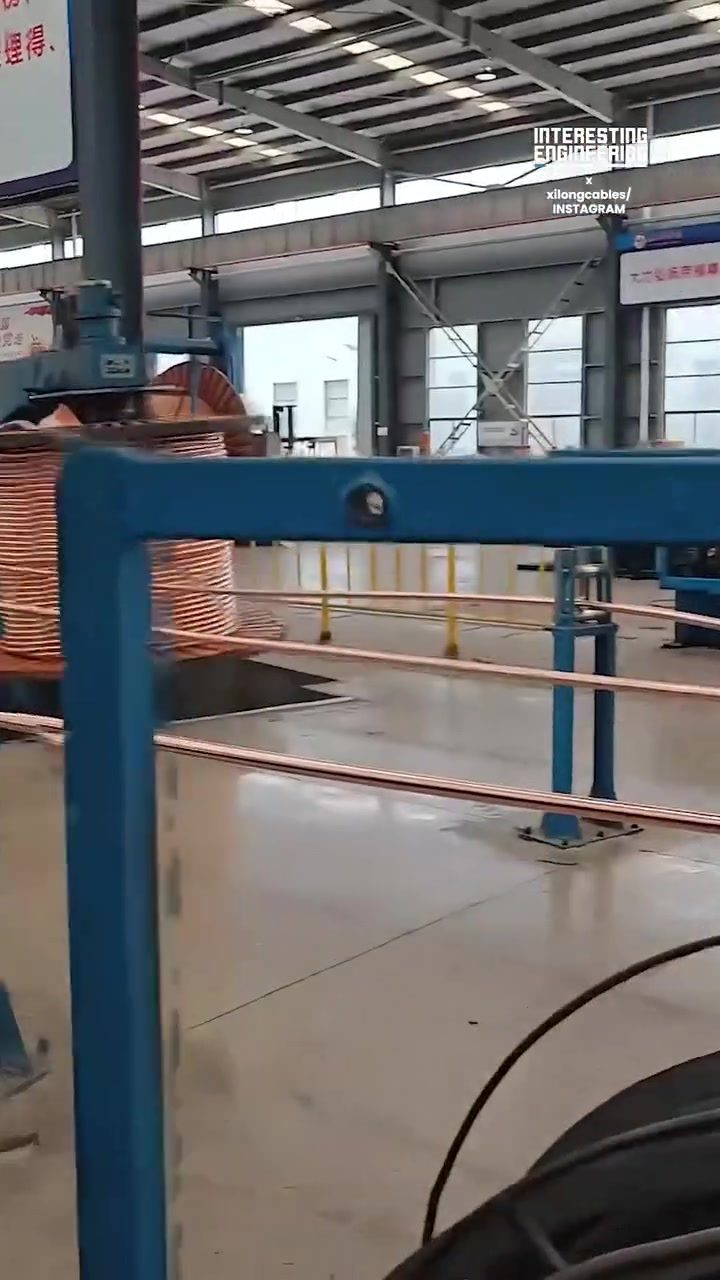
The Complex World of Cable Manufacturing
Cable manufacturing is a meticulous process that combines engineering precision and automated machinery. At xilongcables, the journey from raw materials to finished cables involves several critical stages. This process showcases the intricate engineering and automated machinery required to produce high-quality cables.
The Importance of Cable Manufacturing
The demand for reliable and efficient electrical cables is constantly growing, driven by the increasing need for connectivity and power supply in various sectors. Cable manufacturing ensures that the power and data infrastructure can support modern technological advancements. Understanding the process behind cable manufacturing helps appreciate the sophistication and innovation behind this essential industry.
The Stages of Cable Manufacturing
Stranding Multiple Copper Wires
The process begins with the stranding of multiple copper wires. Copper wires are individually insulated and then bundled together to form a single flexible conductor. This step is crucial as it ensures the conductor's flexibility and durability. The machinery used in this stage includes rotating machinery, controlled tension rollers, and take-up reels. These components work together to create a uniform electrical cable core.
Insulation and Further Stages
Once the core is formed, it is ready for insulation and further manufacturing stages. The insulation process involves coating the conductor with a protective layer, typically made of materials like polyvinyl chloride (PVC), polyethylene, or rubber. This layer protects the conductor from external damage and ensures electrical safety.
Extrusion and Layering
Extrusion and layering are also critical steps in cable manufacturing. Extrusion involves forcing the insulating material through a die to coat the conductor evenly. This step ensures that the insulation layer is uniform and free from defects. Layering, on the other hand, involves adding multiple layers of insulation or protective sheathing to enhance the cable's overall strength and durability. This process is particularly important for cables used in harsh environments.
Quality Control
Quality control is an integral part of the cable manufacturing process. Each stage involves rigorous testing to ensure that the cables meet the required standards. This includes testing for electrical conductivity, insulation resistance, and mechanical strength. Quality control ensures that the final product is reliable and safe for use.
Practical Tips for Cable Manufacturing
For those involved in cable manufacturing, several practical tips can enhance the efficiency and quality of the process:
-
Invest in High-Quality Machinery: High-quality, automated machinery ensures precision and consistency in the manufacturing process. Investing in reliable equipment reduces the risk of defects and increases production efficiency.
-
Regular Maintenance: Regular maintenance of machinery is crucial. This includes checking for wear and tear, lubricating moving parts, and replacing components as needed. Regular maintenance helps prevent breakdowns and ensures continuous production.
-
Strict Quality Control Measures: Implementing strict quality control measures at each stage of the process helps identify and correct defects early. This ensures that the final product meets the required standards.
-
Training and Skill Development: Continuous training and skill development for the workforce are essential. This ensures that the team is knowledgeable about the latest technologies and best practices in cable manufacturing.
Important Takeaways
The cable manufacturing process is a complex and intricate one, involving multiple stages and advanced machinery. Key takeaways include:
- The process involves stranding multiple copper wires to form a flexible conductor.
- Insulation and layering are crucial steps that protect the conductor and enhance its durability.
- Quality control is essential to ensure the final product meets the required standards.
- Investing in high-quality machinery, regular maintenance, and continuous training are practical tips for enhancing the manufacturing process.
Conclusion
Cable manufacturing is a sophisticated process that combines engineering ingenuity and automated machinery. The precise steps involved, from stranding copper wires to insulation and extrusion, ensure the production of high-quality, reliable cables. By understanding the manufacturing process, one can appreciate the complexity and innovation behind this essential industry. The importance of quality control, regular maintenance, and continuous training cannot be overstated in achieving efficient and reliable cable production.
Watch the Reel
Questions readers ask
What are the key stages in the cable manufacturing process at Xilongcables?
The cable manufacturing process at Xilongcables involves several critical stages, including raw material selection, conductor manufacturing, insulation application, twisting or layering, and final testing. These stages ensure the production of high-quality cables that meet industry standards and customer specifications.
How does Xilongcables ensure precision in their cable production?
Xilongcables achieves precision through a combination of advanced engineering techniques and automated machinery. The processes, such as cable strand twisting and insulation application, are meticulously controlled to maintain consistency and reliability in the final product. This ensures that each cable meets the required specifications and performance standards.
What role does automated machinery play in cable manufacturing at Xilongcables?
Automated machinery at Xilongcables is essential for maintaining high production efficiency and consistency. These machines handle tasks such as conductor drawing, insulation extrusion, and cable twisting with high precision, reducing the risk of human error and ensuring that each cable produced meets the required quality standards.
Why is the demand for reliable power cables increasing?
The demand for reliable power cables is increasing due to the growing need for connectivity and power supply in various sectors. With advancements in technology and infrastructure, there is a greater reliance on power and data cables to support modern applications, from residential buildings to industrial facilities and renewable energy systems.
How does Xilongcables contribute to modern infrastructure?
Xilongcables contributes to modern infrastructure by producing high-quality cables that support the power and data needs of various sectors. Their cables are designed to withstand harsh conditions and ensure reliable performance, making them crucial for supporting technological advancements and infrastructure development.
Can I take a tour of the Xilongcables manufacturing factory?
While specific tours may not be openly advertised, it's best to contact Xilongcables directly to inquire about factory tours or virtual demonstrations. These visits can provide valuable insights into the manufacturing process and the advanced technologies used. Many companies offer such tours to showcase their capabilities and commitment to quality.
Related deep dives
Similar reads based on topic and creator.


Recent articles
Fresh deep dives from the latest Reels we unpacked.




Comments
Be the first to comment.