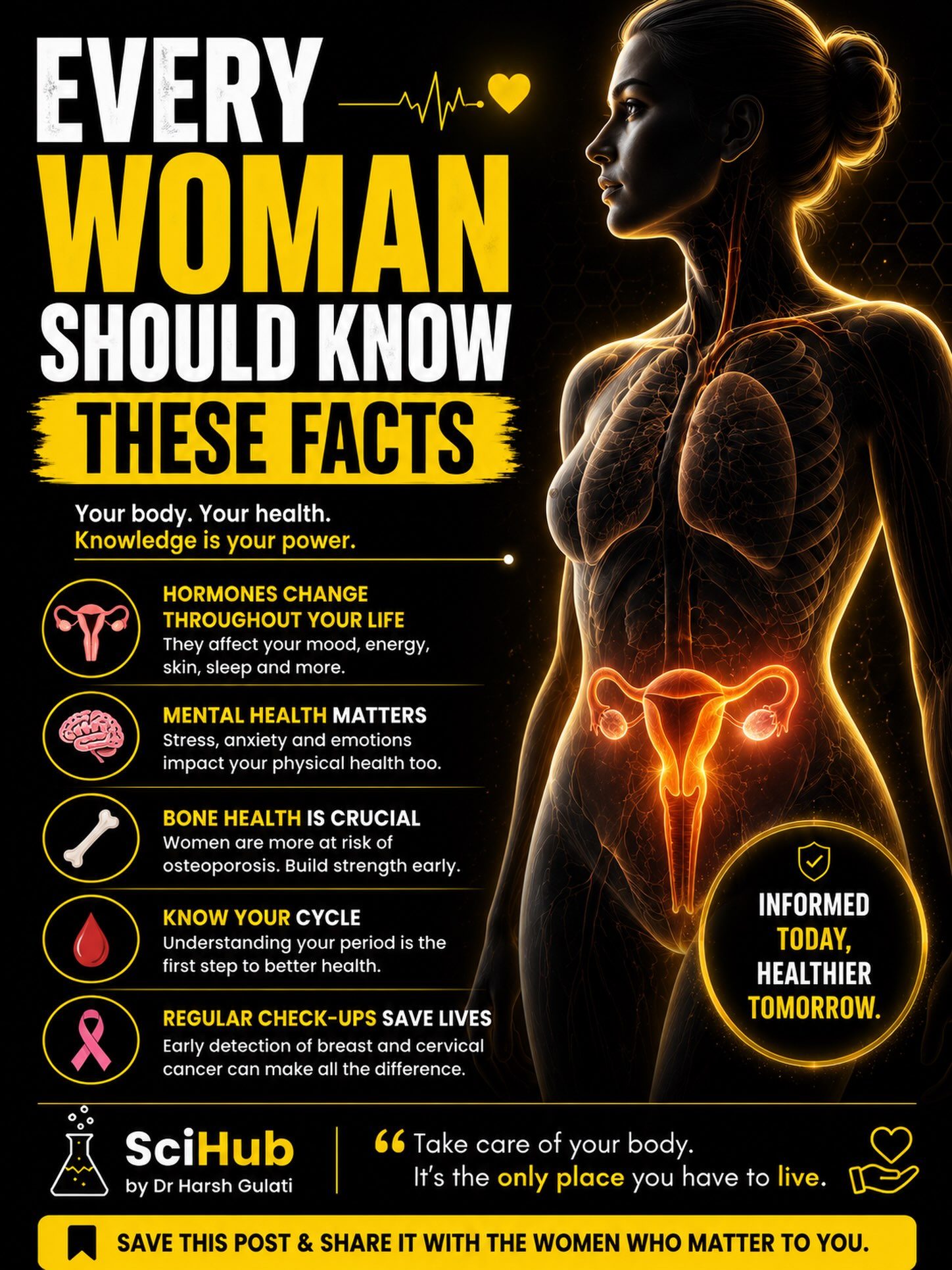
Women's Health: Essential Facts Every Woman Should Know
Women's health encompasses a broad range of topics, from bone health and hormonal changes to mental well-being and regular check-ups. Understanding these aspects of your body empowers you to make informed decisions that can significantly impact your future health. This knowledge is not just about living healthily; it's about thriving and taking proactive steps towards a healthier tomorrow.
Context / Why This Matters
Women's health is a critical aspect of overall well-being, affecting everything from daily energy levels to long-term disease prevention. By gaining a deeper understanding of how your body functions, you can make lifestyle choices that support your health. This knowledge is your power, enabling you to take control of your health and make informed decisions throughout your life.
Main Discussion
Bone Health
Bone health is vital for maintaining mobility and preventing conditions like osteoporosis. Women are particularly at risk for bone-related issues, especially as they age. Regular exercise, a balanced diet rich in calcium and vitamin D, and avoiding smoking and excessive alcohol can help maintain strong bones. Understanding the factors that affect bone health can help you take proactive steps to prevent bone loss and fractures.
Hormonal Changes
Hormones play a crucial role in a woman's health, influencing everything from sleep patterns to skin health. Throughout your life, hormonal fluctuations can affect your energy levels, mood, and overall well-being. Understanding these changes can help you manage symptoms and seek appropriate medical support when needed. For example, during menopause, hormonal changes can lead to symptoms like hot flashes and mood swings. Knowledge about these changes can help you navigate this phase with greater ease.
Mental Health
Mental health is as important as physical health, and the two are deeply interconnected. Stress, anxiety, and emotional well-being can significantly impact your physical health. Regular self-care, stress management techniques, and seeking professional help when needed are essential for maintaining mental health. Understanding the link between mental and physical health can help you prioritize self-care and seek support when necessary.
Menstrual Cycle
Understanding your menstrual cycle is the first step towards better health. The menstrual cycle provides valuable insights into your overall health, including hormonal balances and reproductive health. Keeping track of your cycle can help you detect irregularities, which might indicate underlying health issues. Regular check-ups and open communication with your healthcare provider can help manage any concerns related to your menstrual cycle.
Regular Check-Ups
Regular check-ups are essential for early detection and prevention of various health issues. Regular screenings for breast and cervical cancer can make a significant difference in early detection and treatment. Early detection can lead to better outcomes and improved quality of life. Incorporating regular check-ups into your health routine is a proactive step towards maintaining your health and well-being.
Practical Tips
-
Bone Health:
- Engage in weight-bearing exercises like walking, running, or weightlifting to build and maintain bone density.
- Consume a diet rich in calcium and vitamin D, found in foods like dairy products, leafy greens, and fortified cereals.
- Limit alcohol consumption and avoid smoking to support bone health.
-
Hormonal Changes:
- Stay informed about the hormonal changes you might experience at different life stages, such as menopause or premenstrual syndrome (PMS).
- Maintain a balanced diet and regular exercise to support hormonal health.
- Consult a healthcare provider if you experience severe symptoms or have concerns about hormonal imbalances.
-
Mental Health:
- Practice stress-reduction techniques like meditation, yoga, or deep breathing exercises.
- Engage in regular physical activity to boost your mood and reduce stress.
- Maintain a support network of friends, family, or a mental health professional to discuss any concerns.
-
Menstrual Cycle:
- Use a menstrual tracking app to monitor your cycle and detect any irregularities.
- Regularly consult your healthcare provider to discuss any concerns or abnormalities in your menstrual cycle.
- Maintain a healthy lifestyle to support regular and pain-free menstrual cycles.
-
Regular Check-Ups:
- Schedule regular check-ups with your healthcare provider, including screenings for breast and cervical cancer.
- Stay up-to-date with recommended immunizations and health screenings based on your age and risk factors.
- Communicate openly with your healthcare provider about any health concerns or symptoms.
Important Takeaways
- Empower Yourself: Knowledge about your body and health is your power. Use this knowledge to make informed decisions and take control of your health.
- Regular Check-Ups: Regular health check-ups and screenings are crucial for early detection and prevention of various health issues.
- Holistic Health: Understand the interconnectedness of mental and physical health. Prioritize both aspects for overall well-being.
- Proactive Steps: Small lifestyle choices today, such as regular exercise and a balanced diet, can significantly impact your future health.
Conclusion
Every woman deserves to understand her body and take control of her health. From bone health to hormonal changes, mental well-being, and regular check-ups, knowledge is your power. By staying informed and proactive, you can make choices that support your health and lead to a better tomorrow. Share this information with the women in your life and help spread awareness about the importance of women's health. Your body, your health—take control and thrive.
Watch the Reel
Questions readers ask
Why is understanding hormonal changes important for women's health?
Understanding hormonal changes helps women anticipate and manage symptoms, such as those experienced during menstruation, pregnancy, and menopause. This knowledge can guide women in making informed lifestyle choices, such as adjusting diet, exercise, and stress management strategies to optimize their well-being, while also being prepared for potential health issues.
What are some key tips for maintaining bone health in women?
To maintain strong bones, women should ensure they consume adequate calcium and vitamin D through diet and supplementation, engage in weight-bearing exercises, and avoid smoking and excessive alcohol. Regular health check-ups, including bone density scans, can help detect and prevent conditions like osteoporosis.
How does mental well-being impact women's overall health?
Mental well-being is crucial for women's overall health as it affects daily functioning, relationships, and physical health. Prioritizing mental health through stress management, adequate sleep, and seeking professional help when needed, can help prevent long-term health issues and improve quality of life.
What are some preventative measures women can take against long-term diseases?
Women can prevent long-term diseases by adopting a balanced diet, engaging in regular exercise, maintaining a healthy weight, and scheduling regular health check-ups. Early detection and management of conditions through screenings, such as mammograms, Pap tests, and blood pressure checks, can significantly reduce the risk of developing serious diseases.
How can women optimize their lifestyle choices for better health?
Women can optimize their lifestyle choices by staying informed about their body's needs, setting achievable health goals, and making gradual changes to their diet, exercise, and self-care routines. Regular self-assessments and consultations with healthcare providers can help women stay on track and make necessary adjustments for better health outcomes.
What role do regular health check-ups play in women's health?
Regular health check-ups are essential for early detection and prevention of health issues in women. They provide an opportunity for healthcare providers to assess overall health, identify potential risks, and offer personalized recommendations for maintaining optimal health. Regular screenings and check-ups can significantly enhance a woman's ability to make informed decisions about her health.
How can women maintain hormonal balance for better health?
Women can maintain hormonal balance by adopting a healthy lifestyle, including a balanced diet, regular exercise, and adequate sleep. Managing stress, avoiding endocrine disruptors, and consulting with healthcare providers about any hormonal concerns can help maintain optimal hormonal balance, supporting both physical and mental health.
Related deep dives
Similar reads based on topic and creator.

Recent articles
Fresh deep dives from the latest Reels we unpacked.




Comments
Be the first to comment.