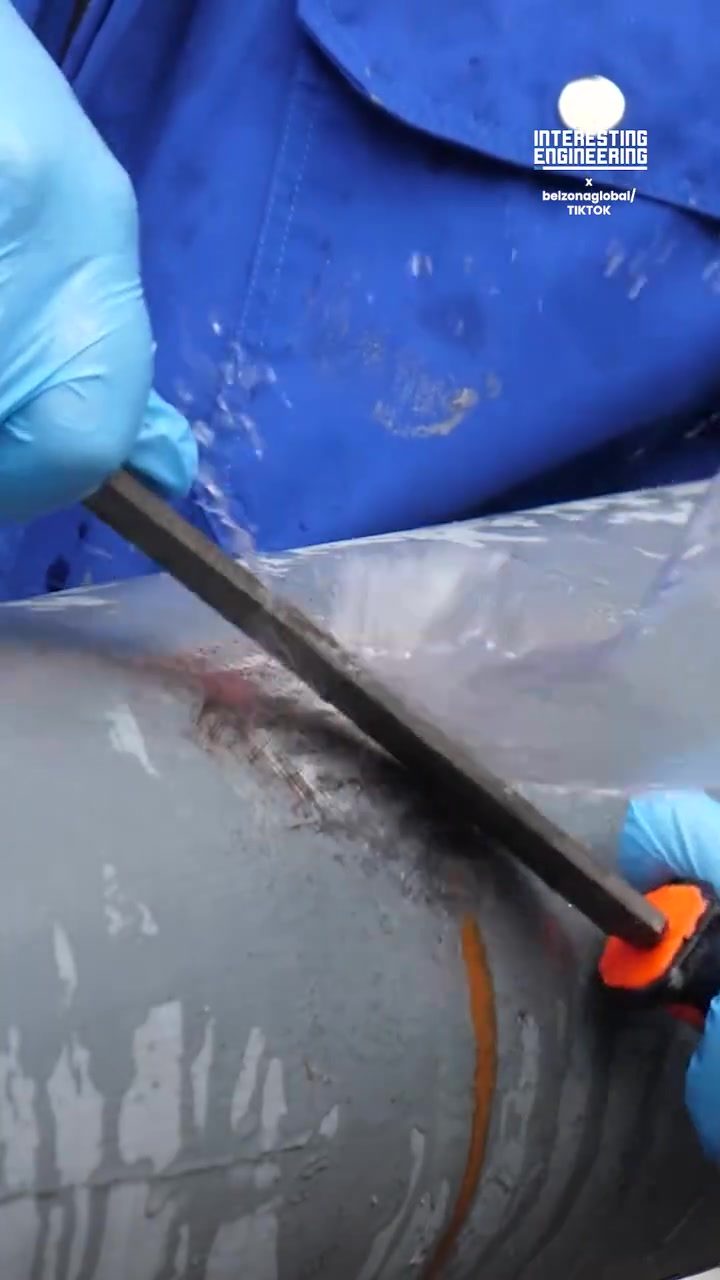
Pipe Repair in Emergency Situations
Pipe leaks can cause significant disruptions and damages, especially when they occur in emergencies. Whether in industrial settings, residential areas, or underwater pipelines, prompt and effective repair is crucial. This article will discuss the importance of addressing pipe leaks swiftly, the materials used in emergency repairs, and the step-by-step process of repairing a leaking pipe.
Why This Matters
Pipe leaks can lead to severe consequences if not addressed immediately. They can cause water damage, contaminate the environment, and disrupt essential services. In industrial settings, leaks can result in costly downtime and potential hazards to workers. Understanding the materials and techniques used in emergency pipe repairs can help minimize these risks and ensure the integrity of the piping system.
Emergency Pipe Repair Techniques
Materials Used in Emergency Pipe Repairs
Emergency pipe repairs often require specialized materials that can quickly and effectively seal leaks. Two key products in this process are Belzona 9611ES Metal and Belzona 9341 reinforcing tape.
Belzona 9611ES Metal: This is an emergency leak-sealing putty specifically designed for metal substrates. It is used to stop leaks in pipes by filling the damaged area and creating a tight seal. This putty is forced into the hole to stop the leak and then pressure is applied with a tourniquet until it hardens.
Belzona 9341 Reinforcing Tape: After applying the putty, reinforcing tape is used to reinforce the repair. Belzona 9341 reinforcing tape is paired with a paste grade, such as Belzona 1212, a surface-tolerant epoxy composite. This combination is designed for emergency in situ metal repair of oil-contaminated, wet, and underwater substrates.
Step-by-Step Pipe Repair Process
-
Identify the Leak: Determine the exact location of the leak. This may involve visual inspection, listening for hissing or dripping sounds, or using specialized leak detection equipment.
-
Prepare the Leaking Area: Clear the area around the leak of any debris or contaminants. Ensure the surface is clean and dry to maximize the adhesion of the repair materials.
-
Apply the Sealant: Use Belzona 9611ES Metal putty to fill the hole and stop the leak. Force the putty into the hole and apply pressure with a tourniquet until it hardens.
-
Reinforce the Repair: Once the putty has hardened, apply Belzona 9341 reinforcing tape with a paste grade, such as Belzona 1212. Wrap the tape around the repaired area to reinforce the seal and ensure durability.
-
Check for Leaks: After the repair, check the area for any remaining leaks. If necessary, apply additional layers of sealant or tape to ensure a tight seal.
-
Clean Up: Remove any excess material and clean the area. Dispose of any waste materials according to local regulations.
Practical Tips for Effective Pipe Repair
Preparation is Key
Having the right materials on hand is crucial for a quick and effective repair. Keep a supply of emergency sealing putty and reinforcing tape readily available. Knowing the exact location of your supplies can save valuable time in an emergency situation.
Regular Maintenance
Regularly inspect your piping systems for signs of wear and tear. Early detection of potential leaks can prevent more significant issues down the line. Schedule routine maintenance checks to ensure the integrity of your pipes.
Training and Knowledge
Educate yourself and your team on emergency repair techniques. Knowing how to properly apply sealants and reinforcing materials can make a significant difference in the effectiveness of the repair. Hands-on training and experience can build confidence and proficiency in handling emergency situations.
Important Takeaways
Quick Action Matters: Addressing pipe leaks promptly is essential to prevent further damage and potential hazards.
Use Specialized Materials: Utilize products like Belzona 9611ES Metal and Belzona 9341 reinforcing tape for effective and durable repairs.
Know the Process: Familiarize yourself with the step-by-step repair process, from identifying the leak to reinforcing the repair.
Maintain Regular Checks: Regular inspections and maintenance can help detect and prevent leaks before they become major issues.
Conclusion
Emergency pipe repairs require immediate attention and the use of specialized materials to ensure a tight and durable seal. By understanding the materials and techniques involved, and by maintaining a proactive approach to pipe maintenance, you can minimize the risks associated with pipe leaks and ensure the continued integrity of your piping systems. Whether in industrial, residential, or underwater settings, being prepared and knowledgeable can make all the difference in effectively handling pipe leaks.
Watch the Reel
Questions readers ask
What are some common causes of pipe leaks in emergency situations?
Pipe leaks in emergencies can be due to various factors such as corrosion, sudden changes in water pressure, extreme weather conditions, or physical damage from accidents or construction activities. In industrial settings, leaks might also result from equipment malfunctions or aging infrastructure.
How quickly can Belzona 9611ES Metal putty stop a leak?
Belzona 9611ES Metal putty is designed for rapid application and quick setting, allowing it to stop leaks promptly. Once applied, it sets in just 20 minutes, providing a durable, metal-reinforced repair that can withstand the pressure and environmental conditions of an emergency situation.
Can Belzona products be used for underwater pipe repairs?
Yes, Belzona products like the 9611ES Metal putty and 9341 Reinforcing tape are versatile and can be effectively used for underwater pipe repairs. These materials are designed to cure underwater, making them suitable for repairing leaks in submerged pipelines.
What is the process for using a temporary pipe repair kit?
A temporary pipe repair kit typically includes materials like Belzona 9611ES Metal putty and 9341 Reinforcing tape. The process involves cleaning the damaged area, applying the metal putty to seal the leak, and then wrapping the reinforced tape around the pipe for additional support and reinforcement.
How can I find step-by-step instructions for repairing a leaking pipe with Belzona products?
Belzona provides detailed instructions and resources on their website, including product-specific guides. Additionally, there are Belzona pipe repair videos available online that demonstrate the application process, making it easier to follow along and ensure a successful repair.
Are Belzona products suitable for both home and industrial pipe repairs?
Yes, Belzona products are versatile and can be used in both home and industrial settings. Their strong, durable repairs make them suitable for a wide range of applications, from small residential leaks to large-scale industrial emergencies. This versatility makes Belzona a go-to solution for quick, reliable fixes in various conditions.
What should I do if a pipe leak occurs in a hard-to-reach area?
If a pipe leak occurs in a hard-to-reach area, it's crucial to use flexible and adaptable repair materials like Belzona. The 9611ES Metal putty and 9341 Reinforcing tape can be molded and shaped to fit into tight spaces, ensuring a secure seal. Additionally, consider using a torch or other tools to help reach the damaged area safely.
Recent articles
Fresh deep dives from the latest Reels we unpacked.




Comments
Be the first to comment.