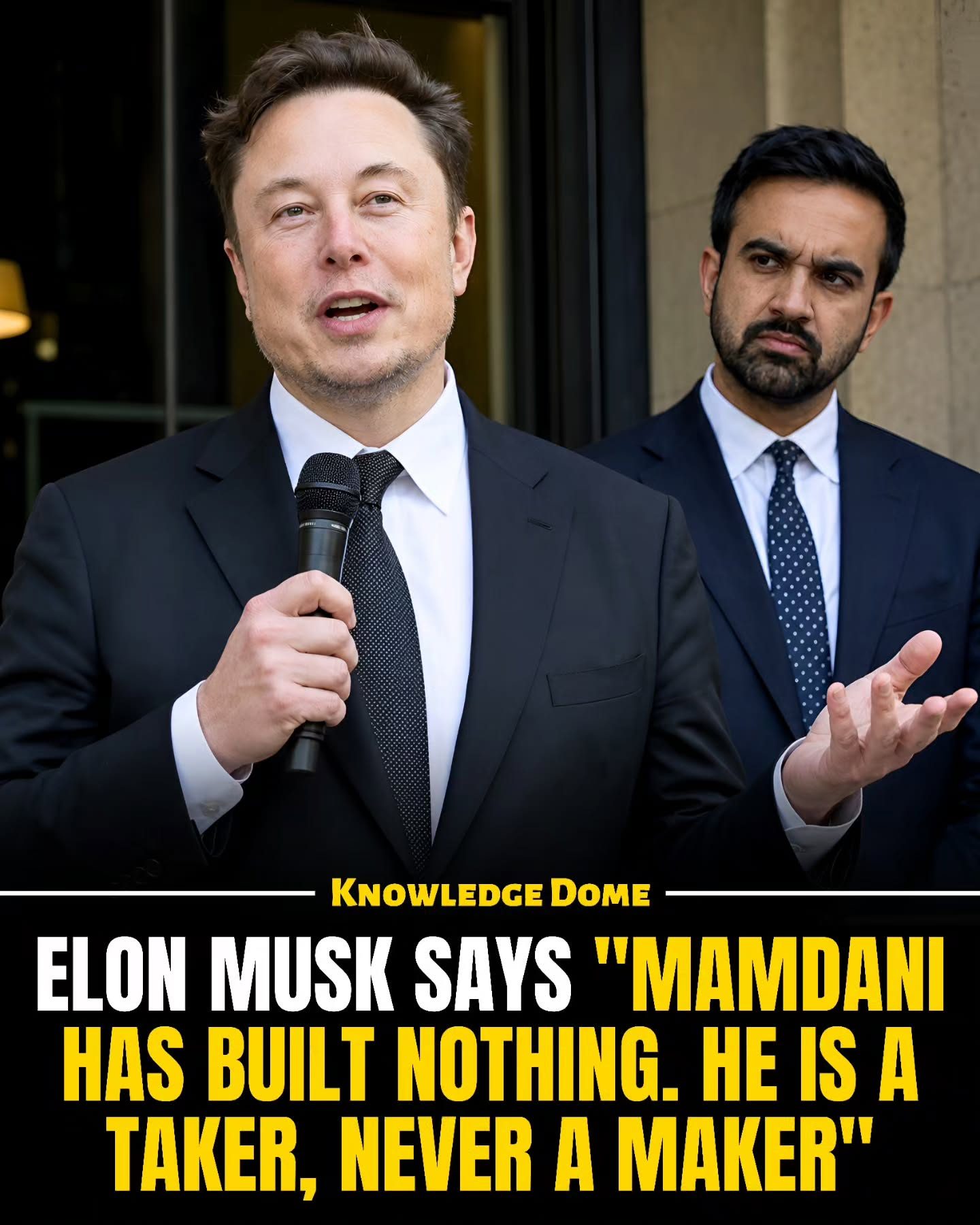
Elon Musk vs. New York City Mayor Zohran Mamdani: A Public Clash
The latest public feud between Elon Musk and New York City Mayor Zerhan Mamdani has ignited debates surrounding wealth, power, and the future of the economy. The exchange, which began after Mamdani's speech, has quickly escalated into a broader discussion about capitalism, socialism, taxes, and public services.
Context: Why this matters
This clash is significant because it highlights the ongoing debate about the role of wealth and power in society. On one hand, there are those who believe that the ultra-wealthy, such as Musk, drive economic growth and innovation. On the other hand, there are those who argue that the ultra-wealthy should be taxed more to support public services and alleviate economic inequality. This debate has far-reaching implications for policy decisions, economic planning, and societal norms.
The Spark: Mamdani's Speech
The controversy began when Mamdani, during a speech, criticized the world's first trillionaire, likely referring to Musk, and highlighting the disparity in wealth. Mamdani stated that while the ultra-wealthy continue to amass wealth, many regular people are struggling with rising costs and unfair economic systems.
Mamdani's speech ostensibly aimed to address systemic issues related to wealth, power, and who the economy truly benefits. He emphasized the need for a more equitable distribution of resources to support those in need and strengthen public services.
Musk's Response
Musk, known for his outspoken nature, swiftly responded to Mamdani on X, his platform of choice. His message was direct and unapologetic: "Mamdani has built nothing. He is a taker, not a maker." This statement created significant backlash, with supporters on both sides firmly divided. Musk's supporters argue that he creates jobs and fosters innovation through his ventures, while Mamdani's supporters contend that the ultra-wealthy should bear a greater responsibility for funding public services.
In this exchange, there are two distinct perspectives:
The Role of the Ultra-Wealthy
Musk's stance aligns with the idea that entrepreneurs and innovators are "makers" who drive economic progress. His supporters believe that the incentive of wealth accumulation encourages innovation, job creation, and overall economic growth. The notion is that if the ultra-wealthy are taxed excessively, it could stifle this innovation and reduce their ability to create jobs.
The Need for Economic Equity
On the other hand, Mamdani's supporters argue for a more equitable distribution of wealth. They believe that the ultra-wealthy should contribute more to public services, which benefit everyone, including those struggling with economic hardships. This perspective underscores the importance of a robust social safety net and public infrastructure, which can help address systemic inequalities.
Practical Tips: Navigating the Debate
This debate can be complex, but it's important to engage with it thoughtfully. Here are some practical tips for navigating this debate:
Stay Informed
Understand the arguments from both sides by reading articles, watching debates, and engaging with different perspectives. This helps in forming a well-rounded opinion and contributes to more productive discussions.
Recognize Nuances
Acknowledge that both perspectives have valid points. For example, while it is true that the ultra-wealthy can drive innovation, it is also important to address economic inequalities and ensure that public services are adequately funded.
Foster Dialogue
Engage in respectful conversations with those who hold differing views. Listen actively and try to understand their motivations and perspectives. This can lead to more meaningful and productive exchanges, even if you don't agree.
Important Takeaways
- The Role of the Ultra-Wealthy: Elon Musk's perspective highlights the role of entrepreneurs and innovators in driving economic progress.
- Economic Equity: Mamdani's stance underscores the need for a more equitable distribution of wealth to support public services and alleviate economic hardships.
- Ongoing Debate: This debate is far from over and continues to shape policy decisions and societal norms. Engaging with it thoughtfully can help foster a more informed and equitable society.
Conclusion
The clash between Elon Musk and New York City Mayor Zerhan Mamdani highlights a broader discussion about wealth, power, and the future of the economy. Whether you agree with Musk or Mamdani, it's essential to engage with this debate thoughtfully and understand the nuances of both perspectives. As the debate continues, staying informed and fostering dialogue will be key to navigating these complex issues and shaping a more equitable future.
Watch the Reel
Questions readers ask
What sparked the public clash between Elon Musk and NYC Mayor Zohran Mamdani?
The clash began after NYC Mayor Zohran Mamdani's speech, which prompted a response from Elon Musk on Twitter. The exchange quickly escalated into a broader debate about wealth, power, and the future of the economy.
What are the main points of disagreement between Elon Musk and NYC Mayor Zohran Mamdani?
The main points of disagreement revolve around the roles of wealth and power in society, with Mayor Mamdani advocating for higher taxes on the ultra-wealthy to support public services and reduce economic inequality, while Elon Musk argues for a more free-market approach to drive economic growth and innovation.
Why is the public fight between Elon Musk and NYC Mayor significant?
This clash is significant as it highlights the ongoing debate about the responsibilities of the ultra-wealthy in society, particularly regarding taxes, and the best ways to support public services and reduce economic inequality.
What are the arguments for and against taxing the ultra-wealthy more?
Arguments for taxing the ultra-wealthy more include using the funds to support public services and reduce economic inequality. Arguments against include that higher taxes could discourage innovation and economic growth, which the ultra-wealthy drive.
How has Elon Musk responded to criticisms about his wealth and power?
Elon Musk has responded to criticisms on his Twitter account, defending his approach to wealth and power and arguing that his actions drive economic growth and innovation. He has also criticized higher taxes on the ultra-wealthy for potentially hindering innovation and economic growth.
What are the potential economic implications of the feud between Elon Musk and NYC Mayor?
The feud could influence public opinion and policy debates around wealth, power, and the economy. It may also affect how the ultra-wealthy are perceived and regulated, potentially leading to changes in tax policies and public services.
What role do public figures like Elon Musk and NYC Mayor play in shaping societal debates?
Public figures like Elon Musk and NYC Mayor play a significant role in shaping societal debates by influencing public opinion and policy discussions. Their exchanges can bring attention to important issues, such as wealth distribution, taxation, and the role of public services in society.
Recent articles
Fresh deep dives from the latest Reels we unpacked.




Comments
Be the first to comment.