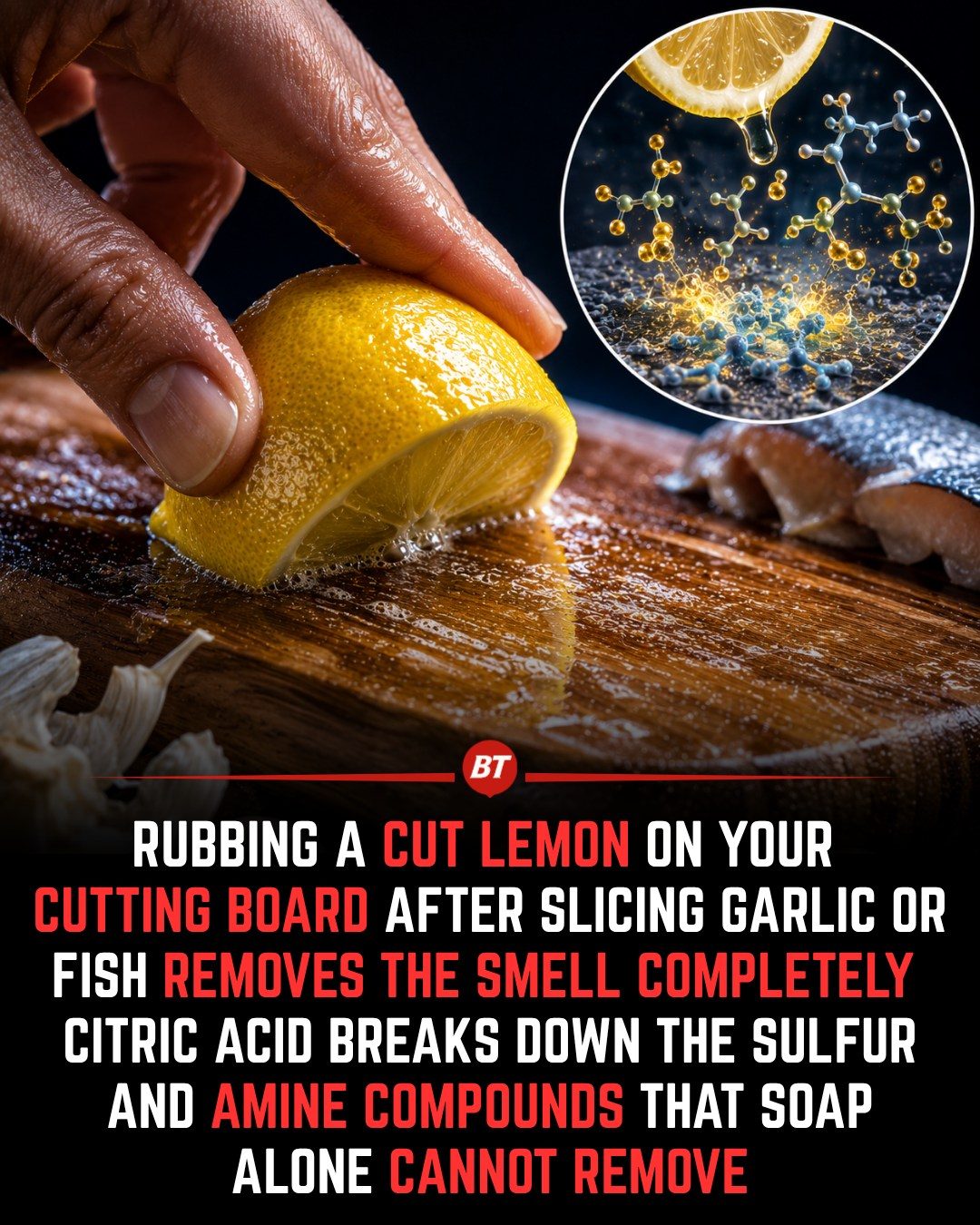
Lemon and Garlic Odor Removal: A Simple Yet Effective Method
Garlic and fish odors can be notoriously difficult to remove from cutting boards, lingering long after food preparation is complete. This persistent smell is due to sulfur compounds and amines released by these foods, which can adhere tenaciously to surfaces. Fortunately, a simple and natural solution exists: lemons. By leveraging the power of citric acid and aromatic oils, lemons can effectively neutralize and break down the odor-causing compounds, leaving your cutting board smelling fresh and clean.
Why This Matters
Cooking enthusiasts know that garlic, onions, and fish leave behind strong, stubborn odors. These smells can be particularly challenging to eliminate from cutting boards, whether they are made of wood, plastic, or other materials. The reason lies in the chemistry of these foods: they release sulfur compounds and amines that cling tightly to surfaces. Standard soap alone often falls short in removing these odors, making it necessary to explore more effective solutions.
The Science Behind Lemon's Power
Lemons are rich in citric acid and aromatic oils, both of which play a crucial role in odor removal. Citric acid is effective at breaking down sulfur and amine compounds, the primary culprits behind garlic and fish odors. This acid not only neutralizes the compounds but also helps dissolve any residue on the cutting board.
The aromatic oils in lemons contribute to the odor-removal process by masking and displacing unwanted smells. These oils provide a fresh, citrusy fragrance that overpowers the lingering odors, leaving your kitchen smelling clean and inviting. Additionally, the natural antibacterial properties of lemons can help sanitize the cutting board, making it a healthier surface for food preparation.
Acidic solutions, including lemon juice, have long been recognized for their effectiveness in reducing sulfur-based odors. This is why lemon juice is commonly used in various culinary and cleaning applications, from food preparation to seafood handling and kitchen cleaning.
Main Discussion
How to Remove Odors Using Lemons
The process of removing garlic and fish odors with a lemon is straightforward and requires minimal effort. Here’s a step-by-step guide to effectively eliminate these smells from your cutting board:
-
Prepare the Lemon: Cut a fresh lemon in half. The fresher the lemon, the more potent its citric acid and aromatic oils will be.
-
Rub the Lemon: After slicing garlic, onions, or fish, rub the cut side of the lemon directly over the cutting board. Ensure you cover the entire surface, paying extra attention to areas where garlic or fish were chopped.
-
Let it Sit: Allow the lemon juice to sit on the board for a minute or two. This gives the citric acid time to break down the odor-causing compounds and the aromatic oils to work their magic.
-
Rinse and Dry: Rinse the cutting board with warm water to remove any remaining lemon juice and residue. Dry the board thoroughly to prevent any moisture buildup, which could promote bacterial growth.
-
Optional: Add Salt: For an extra boost of cleaning power, sprinkle a little coarse salt on the board before scrubbing with the lemon. The salt acts as a mild abrasive, helping to loosen and lift stubborn odors and residue.
Practical Tips
Enhancing the Effectiveness of Lemon Odor Removal
While the basic method of rubbing a lemon on the cutting board is highly effective, there are a few additional tips to enhance its odor-removing power:
-
Use Fresh Lemons: Always opt for fresh lemons over bottled lemon juice. Fresh lemons contain higher concentrations of citric acid and aromatic oils, making them more effective at removing odors.
-
Scrub Thoroughly: Don’t rush the scrubbing process. Take your time to ensure that the entire surface of the cutting board is thoroughly scrubbed with the lemon.
-
Repeat if Necessary: If the odor persists, repeat the process. Sometimes, especially strong odors may require multiple applications to completely eliminate.
Combining with Other Cleaning Methods
For particularly stubborn odors, combining the lemon method with other cleaning techniques can be beneficial:
-
Baking Soda: Sprinkle baking soda on the cutting board and let it sit for a few minutes before scrubbing with the lemon. Baking soda is a natural odor absorber and can help lift lingering smells.
-
White Vinegar: Similar to lemons, white vinegar contains acetic acid, which can help break down odor-causing compounds. Spray a mixture of equal parts white vinegar and water on the cutting board before scrubbing with the lemon.
Important Takeaways
Lemons provide a natural, effective, and eco-friendly solution for removing garlic and fish odors from cutting boards. The citric acid in lemons breaks down sulfur and amine compounds, while the aromatic oils neutralize and mask unwanted smells. This method is simple, inexpensive, and more effective than using soap alone.
By incorporating lemons into your cleaning routine, you can maintain a fresh and clean kitchen environment without relying on artificial fragrances or harsh chemicals. This natural approach not only removes odors but also leaves your cutting board with a refreshing citrus scent, making it ready for your next cooking adventure.
Conclusion
Garlic and fish odors don’t stand a chance against the power of lemons. By utilizing the natural properties of citric acid and aromatic oils, you can effectively eliminate these stubborn smells from your cutting board. This simple, yet effective method not only freshen your kitchen but also ensures a hygienic surface for food preparation. So, the next time you find yourself battling lingering odors, reach for a lemon and experience the difference for yourself.
Watch the Reel
Questions readers ask
How does lemon help in removing garlic and fish odors from cutting boards?
Lemons contain citric acid and aromatic oils that work together to break down and neutralize the compounds responsible for garlic and fish odors. These compounds, including sulfur and amines, can stick to cutting boards and cause lingering smells, but lemon's natural properties effectively address and eliminate these issues.
Can I use lemon to remove odors from other kitchen surfaces besides cutting boards?
Yes, lemon's odor-neutralizing properties make it a versatile tool for keeping your entire kitchen smelling fresh. You can use lemon juice or lemon slices to clean countertops, sinks, and other surfaces that may have absorbed odors from garlic, fish, or other strong-smelling foods.
How long does it take for lemon to neutralize garlic and fish odors?
The time it takes for lemon to neutralize odors can vary depending on the intensity of the smell and the material of the cutting board. For most cases, you can expect to see a significant improvement in odor after rinsing and allowing the lemon juice to sit for 10-15 minutes. After rinsing, allow the board to dry thoroughly to ensure the odor is fully eliminated.
Is lemon juice alone effective for odor removal, or should I use it with other ingredients?
Lemon juice alone can be quite effective for odor removal, but for tougher smells, you may want to combine it with other natural ingredients, like baking soda. Mixing lemon juice with baking soda creates a foaming reaction that can help lift and neutralize odors more thoroughly. After scrubbing, rinse and dry the surface completely.
Why do garlic and fish odors linger more than other food smells?
Garlic and fish odors contain sulfur compounds and amines, which are particularly strong and can bond tenaciously to surfaces. These compounds are released during food preparation and can be difficult to remove with ordinary cleaning methods, making them more persistent than other food smells.
How can I prevent garlic and fish odors from lingering on my cutting board in the first place?
To prevent lingering odors, consider designating specific cutting boards for garlic, onions, and fish. Alternatively, maintain separate cutting boards for meat and vegetables. After each use, wash the board thoroughly with lemon juice and water, ensuring it is completely dry before storing. Regular maintenance will help keep your kitchen surfaces odor-free.
What should I do if the odor remains after using lemon?
If the odor persists, try combining lemon with baking soda to create a more potent cleaning solution. Apply the mixture to the cutting board, let it sit for 15-20 minutes, then scrub and rinse thoroughly. Afterward, allow the board to dry completely. If the smell still lingers, consider using a wood-safe bleach solution or another natural odor remover, such as hydrogen peroxide diluted with water. Always follow safe usage guidelines for any additional cleaning products.
Related deep dives
Similar reads based on topic and creator.




Recent articles
Fresh deep dives from the latest Reels we unpacked.




Comments
Be the first to comment.