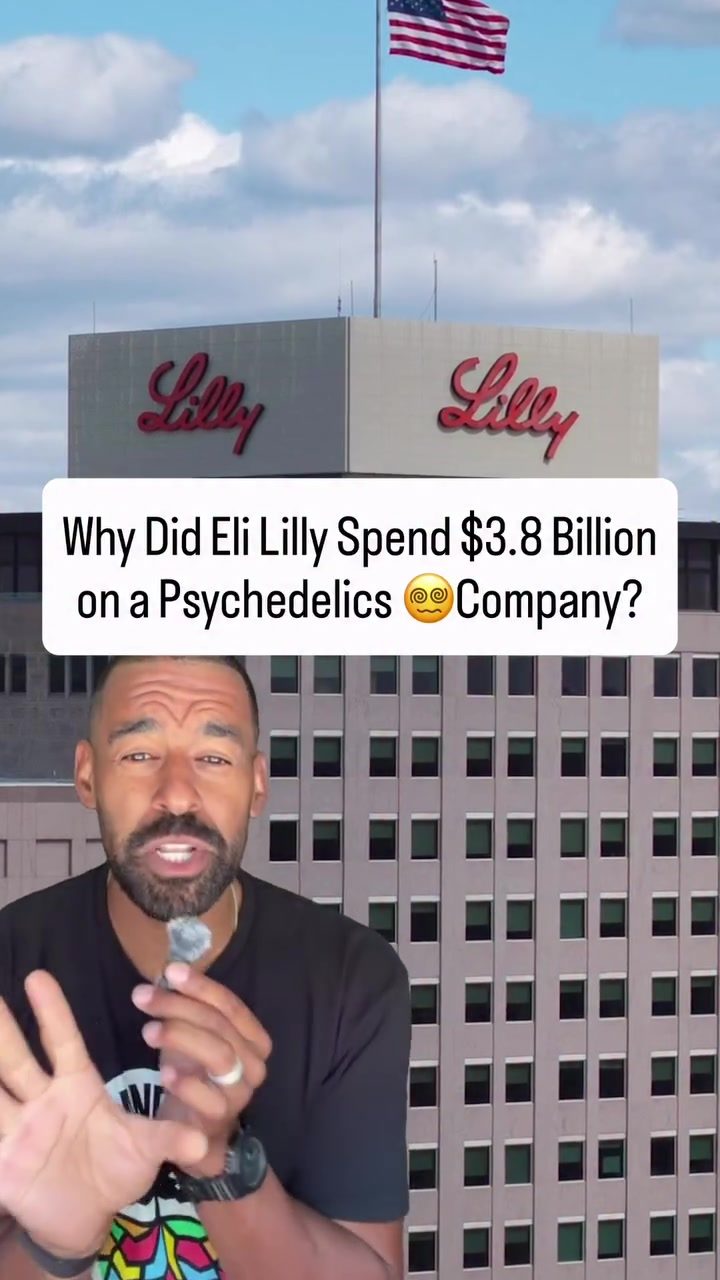
Eli Lilly's $3.8 Billion Bet on Psychedelics
Eli Lilly, a leading pharmaceutical company, recently made headlines with its $3.8 billion acquisition of a psychedelic drug company. This move signals a significant shift in the approach to treating depression and mental health. Instead of focusing on daily symptom management, the company is exploring the potential of resetting the brain in a single, supervised session. This acquisition brings a nasal spray drug into the mix, one that promises months of relief from depression after just one visit to a clinic.
The lead drug from the acquired company, BPL-003, works differently from traditional antidepressants. Unlike antidepressants such as Prozac and Zoloft, which can take four to eight weeks to show results and often fail in one out of three patients, BPL-003 promotes neuroplasticity. This means it helps the brain rebuild damaged neural connections, potentially offering a more effective and long-lasting solution for those suffering from depression.
Why This Matters
Shifting the Paradigm
The pharmaceutical industry has long relied on daily dosing of antidepressants to manage symptoms. This approach, while effective for many, leaves a significant number of patients without relief. Traditional antidepressants often take weeks to show any effect and require continuous use, which can lead to side effects and compliance issues. In contrast, BPL-003 offers a novel approach by promoting neuroplasticity, which could revolutionize how mental health conditions are treated.
Addressing Treatment-Resistant Depression
Four million Americans suffer from treatment-resistant depression, meaning they do not respond to multiple medications. This condition represents a significant unmet need in the healthcare system. BPL-003's ability to promote neuroplasticity offers hope for these patients, as it targets the underlying neural connections rather than just neurotransmitter levels.
Main Discussion
The Nasal Spray: A Game Changer
The nasal spray form of BPL-003 is designed for ease of use and quick administration. Patients can receive a single dose in a clinic, undergo a short, supervised session, and potentially experience months of relief from depression. This method not only simplifies the treatment process but also reduces the burden of daily medication management.
Neuroplasticity: The Key to Effective Treatment
Neuroplasticity refers to the brain's ability to change and adapt. Traditional antidepressants primarily work by altering neurotransmitter levels, but they do not address the underlying neural connections that may be damaged or dysfunctional. BPL-003, however, promotes neuroplasticity, helping the brain to rebuild and restore these connections. This approach could lead to more sustainable and effective treatment outcomes for patients with depression.
The Business Implications
Eli Lilly's acquisition of the psychedelic drug company is more than just a scientific endeavor; it has significant business implications. For years, psychedelic medicine companies were viewed as fringe biotech. However, when one of the most valuable pharmaceutical companies in the world writes a $3.8 billion check, it sends a clear message to the industry. This move is not a speculative bet but a strategic investment in the future of mental health treatment.
Eli Lilly has already disrupted the market with drugs like Mounjaro and Zebound for weight loss. Now, they are betting that psychedelics could do the same for mental health. If successful, this treatment could not only help patients but also completely transform the daily antidepressant market. The potential impact on the industry is immense, as it could shift the focus from daily symptom management to long-term, more effective solutions.
Practical Tips
For Patients
If you or someone you know is struggling with depression, it's important to stay informed about new treatment options. While traditional antidepressants are still widely used, emerging therapies like BPL-003 could offer new hope. Speak with your healthcare provider about the latest developments in mental health treatment and explore all available options.
For Healthcare Providers
Staying updated on the latest research and treatment options is crucial for providing the best care to your patients. Keep an eye on the progress of BPL-003 and other psychedelic-based treatments. Consider participating in clinical trials or referring patients to researchers studying these new therapies. Engage in ongoing education and training to stay at the forefront of mental health care.
For Investors
The pharmaceutical industry is constantly evolving, and investors should be aware of the growing interest in psychedelic medicine. Companies like Eli Lilly are making significant investments in this area, indicating a potential shift in the market. Monitor the progress of BPL-003 and other similar drugs, as they could represent the next big thing in mental health treatment. Diversifying your portfolio to include companies involved in psychedelic research could be a strategic move.
Important Takeaways
- Eli Lilly's $3.8 billion acquisition of a psychedelic drug company signals a significant shift in mental health treatment.
- The lead drug, BPL-003, promotes neuroplasticity, offering a novel approach to treating depression.
- Traditional antidepressants often fail in one out of three patients and require daily dosing, whereas BPL-003 provides long-term relief with a single, supervised session.
- The nasal spray form of BPL-003 is designed for ease of use and quick administration, potentially transforming the daily antidepressant market.
- Staying informed about new treatment options is crucial for both patients and healthcare providers.
Conclusion
Eli Lilly's investment in psychedelic medicine is a bold move that could revolutionize how we treat depression and mental health. By focusing on neuroplasticity and offering long-term relief with a single session, BPL-003 represents a significant advancement in mental health care. As research continues and more data becomes available, the potential impact of this treatment on the industry and patients alike cannot be overstated. Stay informed, stay hopeful, and stay engaged in the ongoing evolution of mental health treatment.
Watch the Reel
Questions readers ask
What makes Eli Lilly's investment in psychedelics significant for mental health treatment?
Eli Lilly's $3.8 billion investment is significant because it shifts the focus from daily medication to potentially resetting the brain in a single session, offering a new approach to treating depression and mental health. This could provide long-term relief from depression, something that traditional antidepressants often struggle to achieve.
How does the nasal spray drug differ from traditional antidepressants?
The nasal spray drug, BPL-003, works by potentially resetting the brain in a single session, which is different from traditional antidepressants that often take 4-8 weeks to show results. This new approach could offer a more immediate, long-term solution for individuals suffering from depression, as opposed to daily symptom management.
What is brain reset therapy, and how does it work?
Brain reset therapy refers to the process of using psychedelic substances to potentially reset the brain's neural pathways in a single, supervised session. This therapy aims to provide a long-lasting effect on depression, as opposed to the daily doses required by traditional antidepressants. The lead drug in this therapy, BPL-003, is administered through a nasal spray, making it a convenient option for treatment.
What are the potential benefits of Eli Lilly's new approach to depression treatment?
Eli Lilly's new approach could offer months of relief from depression after just one session, reducing the need for daily medication. This could lead to improved patient outcomes, fewer side effects, and a more convenient treatment process. Additionally, it could help those who do not respond to traditional antidepressants.
What does this acquisition mean for the future of mental health care?
With this acquisition, Eli Lilly is helping to pave the way for psychedelic drug companies to be taken more seriously in the mental health industry. This move could lead to a broader acceptance of psychedelic treatments, resulting in more innovative treatments and improved outcomes for individuals suffering from depression and other mental health conditions.
What are the potential benefits of using a psychedelic nasal spray for depression treatment?
The nasal spray, BPL-003, offers a fast, convenient and effective way to administer the drug, which could make it easier to treat depression. It could also reduce the stigma associated with mental health treatment, as it provides an alternative to traditional antidepressants and could also offer immediate and long-lasting effects from a single session.
How does Eli Lilly's investment affect the current landscape of psychedelic drug companies?
The acquisition is a validation of the potential of psychedelic drugs, providing a substantial financial boost to the acquired company and potentially accelerating research and development in the field. This move could encourage other pharmaceutical companies to invest in psychedelic research, leading to more innovative treatments for mental health conditions.
Related deep dives
Similar reads based on topic and creator.



Recent articles
Fresh deep dives from the latest Reels we unpacked.




Comments
Be the first to comment.