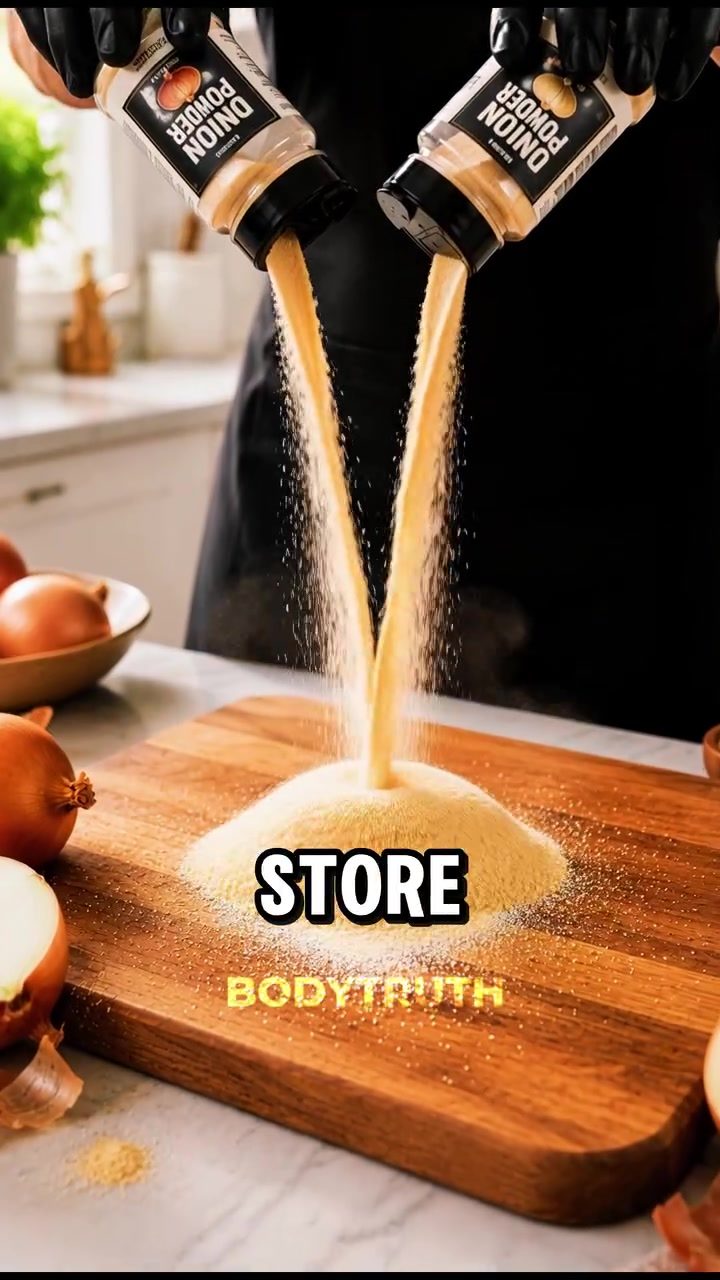
Homemade Onion Powder
Onion powder is a staple in many kitchens, adding depth and flavor to a variety of dishes. But did you know that making your own onion powder at home is not only easy but also more flavorful and free from unnecessary preservatives? Here’s a step-by-step guide to creating your own fresh, homemade onion powder.
Why This Matters
Store-bought onion powder often contains preservatives and fillers that can alter its taste and nutritional value. By making your own, you ensure that you're getting a pure, natural product with no hidden ingredients. Additionally, homemade onion powder has a richer, more authentic onion flavor that can significantly enhance your dishes.
Main Discussion
Ingredients and Preparation
To make your own onion powder, you'll need just a few basic ingredients and tools. Here’s what you’ll need:
- 3–4 large yellow onions: Yellow onions are ideal for their balanced flavor and moderate sweetness.
- ½ teaspoon sea salt (optional): This is for those who prefer a salted onion powder. It’s entirely optional and can be added later if desired.
Step-by-Step Instructions
-
Preheat your oven: Set it to 170°F (75°C). This low temperature is crucial for slow, even dehydration.
-
Prepare the onions: Peel the onions and slice them as thinly as possible. Aim for about ⅛ inch (3 mm) thickness. Thin slices ensure even drying and quicker processing.
-
Arrange the slices: Place the onion slices in a single layer on a parchment-lined baking tray. Make sure they don’t overlap to allow for even air circulation.
-
Bake: Put the tray in the preheated oven and bake for 5–8 hours. The onions should be completely dry and brittle, snapping easily when touched.
-
Flip the slices: Flip them once or twice during the drying process to ensure even results.
-
Cooling: Once the onions are done, turn off the oven and allow the dried onions to cool completely. This step is important to prevent condensation, which can ruin your powder.
-
Blending: Transfer the cooled, dried onions to a food processor, spice grinder, or high-speed blender. Blend until you have a fine, smooth powder.
-
Add salt (optional): If you prefer a salted onion powder, stir in the optional sea salt at this stage.
-
Storage: Pour the powder into an airtight glass spice jar and store it in a cool, dry place. Properly stored, your homemade onion powder can last up to 6 months.
Benefits of Homemade Onion Powder
Fresh, homemade onion powder offers several advantages over store-bought varieties:
- No Preservatives or Fillers: You avoid any unwanted ingredients that are often added to extend shelf life or lower production costs.
- Enhanced Flavor: The aroma and taste are more intense, elevating the flavor of your dishes.
- Versatility: Use it in a wide range of dishes, from seasoning meats and soups to roasted vegetables, eggs, sauces, and marinades.
- Cost-Effective: Over time, making your own onion powder can be more cost-effective, especially if you use onions frequently.
Versatility in Cooking
Onion powder is incredibly versatile. Here are a few ways you can incorporate it into your cooking:
- Meats: Use it as a rub for steaks, chicken, or roasts. The onion flavor adds depth and complexity.
- Soups and Stews: Sprinkle it in soups and stews for an extra layer of flavor without the bulk of chopped onions.
- Vegetables: Roast vegetables and toss them with onion powder for a savory twist.
- Eggs: Mix it into your scrambled eggs or omelets for a flavor boost.
- Bread and Baked Goods: Add it to bread doughs, pizza dough, or even cookies for a subtle onset flavor.
- Spice Blends: Customize your own spice blends by combining onion powder with other spices like garlic, paprika, and chili powder.
Practical Tips
- Storage Tips: Always store your onion powder in an airtight container to preserve freshness and prevent moisture absorption.
- Customization: Feel free to experiment with different types of onions. White or red onions can also be used, each offering a slightly different flavor profile.
- Blending Tips: If your food processor or blender isn’t powerful enough, you might need to pulse the onions several times to achieve a fine powder consistency.
Important Takeaways
Making your own onion powder is a simple and rewarding process that enhances the flavor of your dishes. Here are the key points to remember:
- Simple Ingredients: All you need are onions and, optionally, a bit of sea salt.
- Low and Slow: Dehydrating the onions at a low temperature ensures they dry evenly without burning.
- Versatile Usage: Homemade onion powder can be used in a wide range of dishes, from meats to baked goods.
- Cost and Flavor: It’s a cost-effective and flavorful alternative to store-bought onion powder.
Conclusion
Homemade onion powder is a game-changer in the kitchen. It’s easy to make, versatile, and far superior in flavor to its store-bought counterparts. By following these steps, you can elevate your cooking with a fresh, natural ingredient that adds richness and depth to your favorite recipes. So, next time you’re in the kitchen, consider making your own onion powder and experience the difference for yourself.
Watch the Reel
Questions readers ask
What is the advantage of using homemade onion powder over store-bought varieties?
Homemade onion powder offers a richer, more authentic onion flavor compared to store-bought varieties. It is free from preservatives and fillers, ensuring a natural and pure product. Additionally, making your own onion powder allows you to control the quality and freshness of the ingredients.
What ingredients do I need to make homemade onion powder?
To make homemade onion powder, you'll need fresh onions and a method for drying and grinding them. Some basic kitchen equipment, such as an oven, dehydrator, or food processor, will also be required. Salt can be added for taste but is not mandatory.
Can I make onion powder without a dehydrator or oven?
Yes, you can make onion powder without a dehydrator or oven. You can use a low-heat method in a dehydrator or oven. To do this, place thinly sliced onions on a baking sheet and dry them at a low temperature (around 170°F or 75°C) for several hours, stirring occasionally, until completely dry.
How long does homemade onion powder last?
When stored properly in an airtight container away from direct sunlight and heat sources, homemade onion powder can last for several months. The exact shelf life can vary depending on the humidity and storage conditions, but generally, it should remain fresh and flavorful for up to 6 months to a year.
What types of dishes can I enhance with homemade onion powder?
Homemade onion powder can enhance a wide variety of dishes, including soups, stews, sauces, and marinades. It can also be used in rubs for meats, vegetable dishes, and even in baked goods like bread and crackers. Its versatile and rich flavor adds depth to any recipe.
Can I use different types of onions to make onion powder?
Yes, you can use different types of onions to make onion powder. Yellow onions are commonly used for their balanced flavor, but you can also experiment with white, red, or sweet onions to achieve different flavor profiles. Each type of onion will impart a unique taste to your powder.
How do I store my homemade onion powder to maintain its freshness?
To store your homemade onion powder, place it in an airtight container and keep it in a cool, dark place away from direct sunlight and heat sources. This will help maintain its freshness and flavor. Avoid storing it in the refrigerator or freezer, as moisture can affect its quality.
Recent articles
Fresh deep dives from the latest Reels we unpacked.




Comments
Be the first to comment.