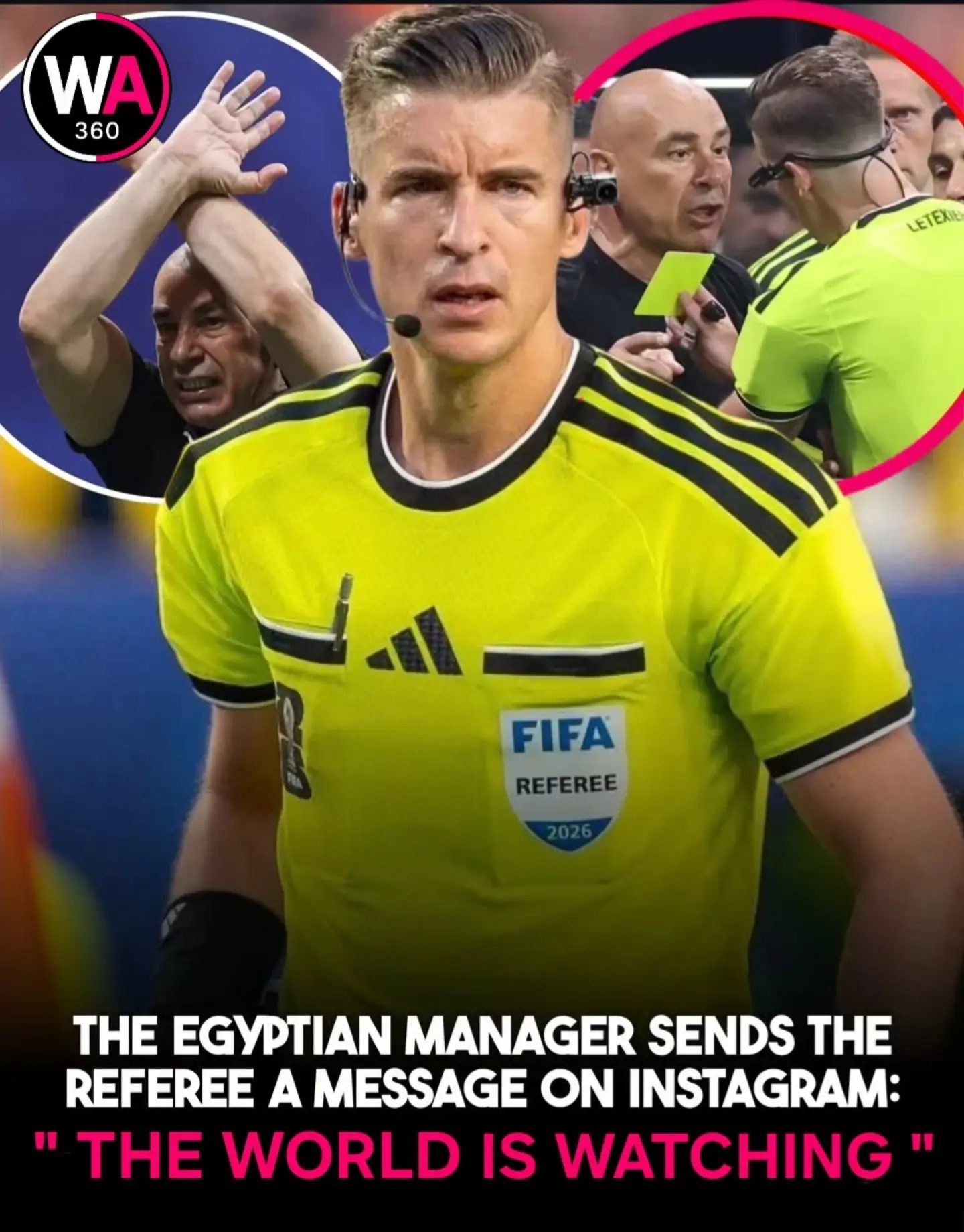
Soccer Referee Controversy
Soccer referees are under an immense amount of scrutiny, and the pressure on them can dramatically impact the outcome of a game. This is evident in the recent controversy where an Egyptian manager used a powerful message to highlight the importance of fair officiating. FIFA, the governing body of international soccer, is well aware of the challenges referees face and the intense scrutiny they endure.
Why This Matters
Referees play a pivotal role in maintaining the integrity of the game. Their decisions can alter the course of a match, affect tournament outcomes, and even influence the legacy of players and teams. The increasing use of social media has amplified the spotlight on referees, making their every call a matter of global debate. This heightened scrutiny underscores the need for transparency, accountability, and consistency in officiating.
Main Discussion
The Impact of Social Media
Social media has transformed the way fans, players, and analysts engage with soccer. Platforms like Instagram allow for direct communication between key figures in the sport, such as the recent message from an Egyptian manager to a referee. This direct engagement can lead to a more transparent officiating process, but it also comes with its own set of challenges. The public nature of these communications can put immense pressure on referees, who must now navigate not only the heat of the match but also the scrutiny of millions of viewers worldwide.
Transparency and Accountability
One of the key issues highlighted by the Egyptian manager's message is the need for transparency and accountability in officiating. Fans and players expect fair play, and referees are the ones tasked with ensuring that every decision is made with integrity. This expectation is not new, but the rise of social media has amplified the public's demand for transparency. Referees must be held accountable for their decisions, and there is a growing call for more transparent decision-making processes and accountability measures.
The Role of Technology
Technology is increasingly being used to assist referees in making decisions. Video Assistant Referees (VAR) and other technological aids are being integrated into the game to help officials make more accurate calls. However, there is still debate over the effectiveness and fairness of these technologies. Some argue that VAR slows down the game and disrupts the flow, while others see it as a necessary tool for ensuring fairness. The use of technology in refereeing is a complex issue that requires careful consideration and continuous improvement.
Practical Tips
For Referees
Referees must be prepared for the increased scrutiny that comes with their role. This includes:
- Staying Calm Under Pressure: Maintaining composure during high-pressure situations is crucial. Referees should focus on making fair and consistent calls, even when faced with intense pressure from players, fans, and the public.
- Embracing Technology: Referees should embrace technological advancements and use them to their advantage. Tools like VAR can help in making more accurate decisions, but they should be used judiciously to avoid disrupting the flow of the game.
- Preparing for Post-Match Scrutiny: Referees should be mentally prepared for the post-match scrutiny that comes with their decisions. Engaging with fans and the media in a professional and transparent manner can help build trust and understanding.
For Fans and Players
Fans and players also play a role in maintaining the integrity of the game. Some practical tips include:
- Respecting the Referees: Respecting the decisions made by referees, even when they are controversial, is essential for maintaining the integrity of the game. Engaging in constructive dialogue rather than hostile criticism can help in fostering a more positive environment.
- Using Social Media Responsibly: Social media can be a powerful tool for engaging with the game, but it should be used responsibly. Avoiding personal attacks and focusing on constructive criticism can help in maintaining a healthy dialogue.
For Governing Bodies
Governing bodies like FIFA have a crucial role to play in ensuring fair play and transparency in officiating. Some steps they can take include:
- Implementing Transparent Systems: Developing and implementing transparent systems for refereeing decisions can help in building trust and ensuring fairness.
- Providing Training and Support: Providing ongoing training and support for referees can help them navigate the challenges of their role. This includes mental preparation, physical fitness, and technological proficiency.
- Engaging with Fans and Players: Engaging with fans and players in a transparent and open manner can help in building trust and understanding. Regular updates and clear communication can go a long way in maintaining the integrity of the game.
Important Takeaways
The recent controversy involving an Egyptian manager's message to a referee highlights the critical role referees play in soccer. Their decisions, under intense scrutiny from millions of viewers, can shape the outcome of matches and tournaments. The increasing use of social media has amplified the public's demand for transparency and accountability in officiating. Technology, while a tool for accuracy, also brings challenges that need to be addressed. Referees, fans, players, and governing bodies must work together to ensure fair play and maintain the integrity of the game.
Conclusion
Soccer is a game built on passion, fairness, and trust. Every decision made on the pitch is closely examined by millions around the globe, making the role of referees crucial. The recent controversy highlights the need for transparency, accountability, and consistency in officiating. As the game continues to evolve, it is essential for all stakeholders to work together to ensure fair play and maintain the integrity of soccer.
Watch the Reel
Questions readers ask
What did the Egyptian manager say to spark the refereeing debate?
The Egyptian manager openly addressed issues surrounding refereeing, highlighting the importance of fair officiating. This sparked discussions about the role of referees in maintaining the integrity of the game, and influenced the global debate on referees.
How do FIFA referee decisions impact soccer games?
FIFA referees' decisions can alter the course of a match, affect tournament outcomes, and influence the legacy of players and teams. The increased use of social media has amplified the scrutiny on their decisions, making their calls a matter of global debate.
What challenges do soccer referees face?
Soccer referees face immense scrutiny and pressure, which can dramatically impact the outcome of a game. Their decisions often come under intense public and media scrutiny, making their role challenging and influential.
What is the significance of the FIFA refereeing debate?
The FIFA refereeing debate is important because it brings attention to the critical role referees play in soccer. It also highlights the need for fair play and accountability in officiating, and the impact of refereeing decisions on the game.
How does social media influence the scrutiny on referees?
Social media has amplified the spotlight on referees, making their every call a matter of global debate. This increased visibility has led to more intense scrutiny and discussion about refereeing standards and accountability.
What role do managers play in the refereeing debate?
Managers, such as the Egyptian manager who sparked the recent controversy, play a significant role in the refereeing debate. By openly addressing officiating issues, they bring attention to the challenges referees face and advocate for fair play and accountability.
How does the FIFA referee uniform contribute to the debate?
The FIFA referee uniform is a symbol of authority and impartiality, representing the standards of officiating expected in international soccer. The debate around refereeing often includes discussions about the consistency and fairness of referees' decisions, which are influenced by the standards they uphold.
Related deep dives
Similar reads based on topic and creator.


Recent articles
Fresh deep dives from the latest Reels we unpacked.




Comments
Be the first to comment.