Eggplant: A Powerhouse of Antioxidants for Brain Health
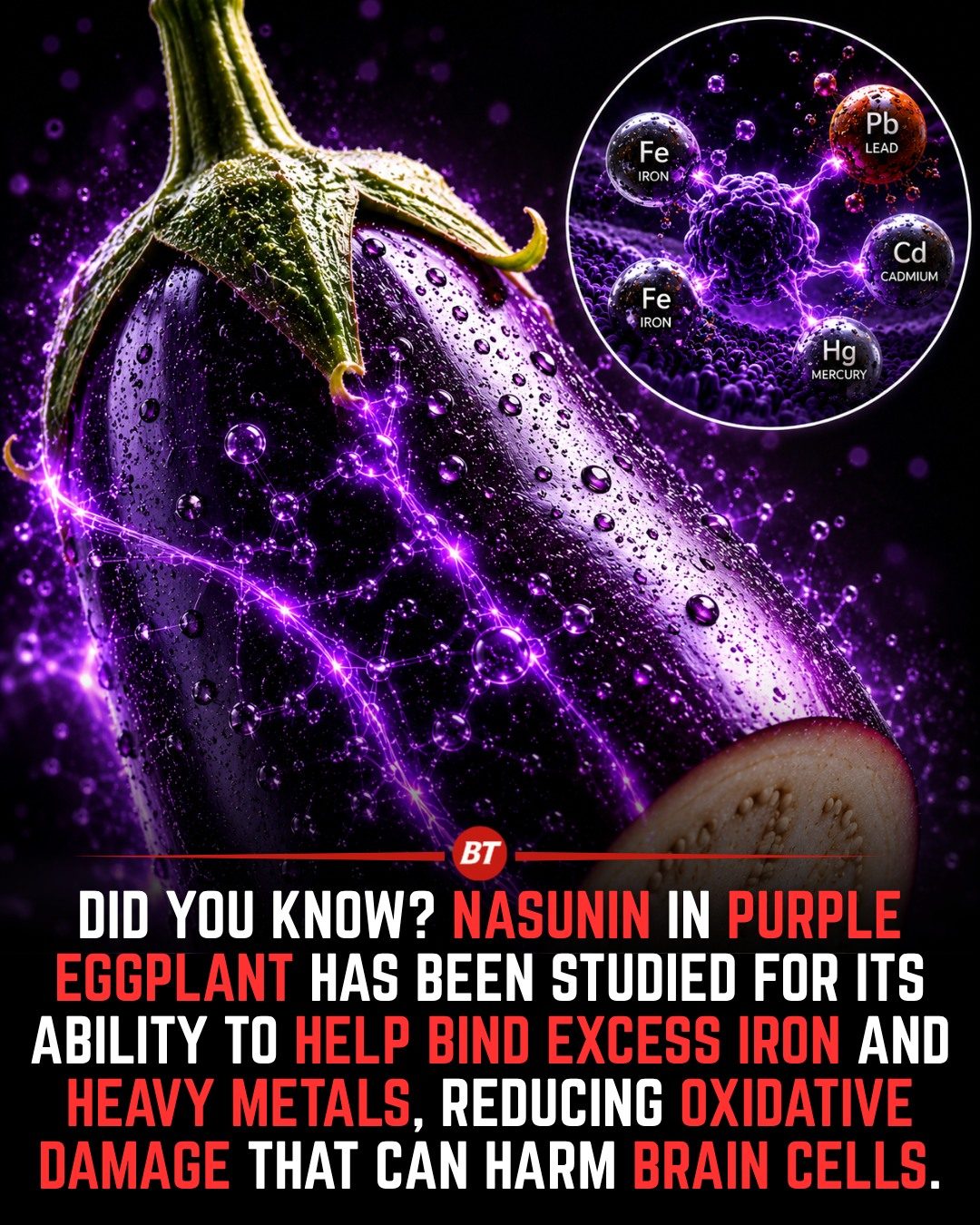
Eggplant, especially the purple variety, is more than just a versatile ingredient in various cuisines. Its deep purple skin contains a unique antioxidant called nasunin, which has garnered significant interest from scientists due to its potential benefits for brain health.
Why This Matters
Oxidative stress and the accumulation of heavy metals are significant concerns for brain health, particularly as we age. Nasunin, found in the skin of purple eggplants, has been studied for its ability to mitigate these issues. Understanding the benefits of nasunin can help readers make informed dietary choices to support their cognitive health.
The Science Behind Nasunin
What is Nasunin?
Nasunin is an anthocyanin, a type of flavonoid pigment responsible for the vibrant purple color of eggplant skin. Anthocyanins are known for their powerful antioxidant properties. Researchers became interested in nasunin after discovering its ability to neutralize free radicals and bind excess iron, which can otherwise catalyze harmful oxidative reactions in the body.
Nasunin and Iron Binding
Iron is an essential mineral, but excess free iron can accelerate the production of harmful free radicals. This is particularly problematic in the brain, where oxidative stress has been linked to age-related cognitive decline. Laboratory studies have shown that nasunin can help bind excess iron, reducing iron-catalyzed oxidative reactions that can damage cell membranes.
Nasunin and Heavy Metals
In addition to binding excess iron, nasunin has been studied for its ability to bind certain heavy metals, such as lead, cadmium, and mercury. While there is currently no evidence that consuming eggplant can remove heavy metals from the human body, the primary benefit of nasunin appears to be its antioxidant activity.
Nasunin and Brain Health
Laboratory studies published in journals such as the Journal of Agricultural and Food Chemistry suggest that nasunin may help protect brain cell membranes from oxidative damage. By limiting oxidative reactions, nasunin can potentially reduce the risk of age-related cognitive decline.
Practical Tips for Incorporating Eggplant into Your Diet
To reap the benefits of nasunin, it's essential to include eggplant in your diet. Here are some practical tips:
Leave the Skin On
The greatest concentration of beneficial antioxidants, including nasunin, is found in the purple skin of the eggplant. When cooking, leave the skin on to maximize the antioxidant content.
Cooking Methods
Lightly roast, grill, or sauté eggplant with olive oil to preserve its nutrients. These cooking methods help retain the beneficial compounds while enhancing the flavor.
Versatile Recipes
Eggplant is a versatile ingredient that can be used in various dishes. Some popular recipes include:
- Eggplant Parmesan: Breaded and baked eggplant slices layered with tomato sauce and melted cheese.
- Grilled Eggplant: Sliced and grilled, then seasoned with herbs and spices.
- Eggplant Stir-Fry: Thinly sliced and stir-fried with vegetables and a savory sauce.
- Baba Ganoush: A Middle Eastern dip made from roasted eggplant, tahini, garlic, and lemon juice.
Nutritional Benefits
Beyond nasunin, eggplant is a good source of fiber, potassium, and other beneficial plant compounds. Including eggplant in your diet can contribute to a balanced and nutritious eating plan.
Important Takeaways
- Nasunin, a unique antioxidant found in the skin of purple eggplants, has been studied for its ability to neutralize free radicals and bind excess iron.
- Excess free iron can accelerate the production of harmful free radicals, particularly in the brain, where oxidative stress has been linked to age-related cognitive decline.
- Laboratory studies suggest that nasunin may help protect brain cell membranes from oxidative damage.
- While nasunin has been studied for its ability to bind certain heavy metals, the primary benefit appears to be its powerful antioxidant activity.
- To reap the benefits of nasunin, leave the skin on when cooking eggplant and opt for cooking methods that preserve its nutrients.
Conclusion
Eggplant, particularly the purple variety, is a powerhouse of antioxidants that can support brain health. By understanding the science behind nasunin and incorporating eggplant into your diet, you can make informed choices to promote cognitive well-being. Leaving the skin on and choosing the right cooking methods can help you maximize the benefits of this versatile and nutritious vegetable.
Watch the Reel
Questions readers ask
What makes purple eggplant a standout choice for brain health?
Purple eggplants are rich in an antioxidant called nasunin, found in their skin. This compound is known for its ability to bind excess iron and protect brain cells from oxidative stress and heavy metals, making it a valuable dietary choice for maintaining cognitive health.
How does nasunin in eggplant help with heavy metal accumulation in the brain?
Nasunin, found in purple eggplant, binds to excess iron in the body, preventing it from entering the brain and causing damage. By reducing the accumulation of heavy metals, nasunin helps protect the brain from potential harm.
What are the benefits of consuming nasunin-rich eggplant?
Consuming nasunin-rich eggplant can offer several benefits, including reducing oxidative stress and protecting brain cells from heavy metal damage. Incorporating purple eggplant into your diet can be a delicious way to support overall brain health.
Can eating eggplant really improve cognitive health?
While no food can single-handedly boost cognitive health, incorporating foods rich in antioxidants like eggplant can contribute to a diet that supports brain function. The nasunin in purple eggplant may help protect the brain from oxidative stress and heavy metals, which can contribute to improved cognitive health over time.
Is there a specific part of the eggplant that contains nasunin?
Nasunin is primarily found in the skin of purple eggplants. To maximize the benefits of nasunin, it is recommended to include the skin when preparing and consuming eggplant.
How does oxidative stress affect the brain, and how can eggplant help?
Oxidative stress occurs when there is an imbalance between free radicals and antioxidants in the body, leading to cell damage. The brain is particularly vulnerable to this damage. Consuming eggplant, rich in the antioxidant nasunin, can help combat oxidative stress and protect brain cells from harm.
Related deep dives
Similar reads based on topic and creator.




Recent articles
Fresh deep dives from the latest Reels we unpacked.




Comments
Be the first to comment.