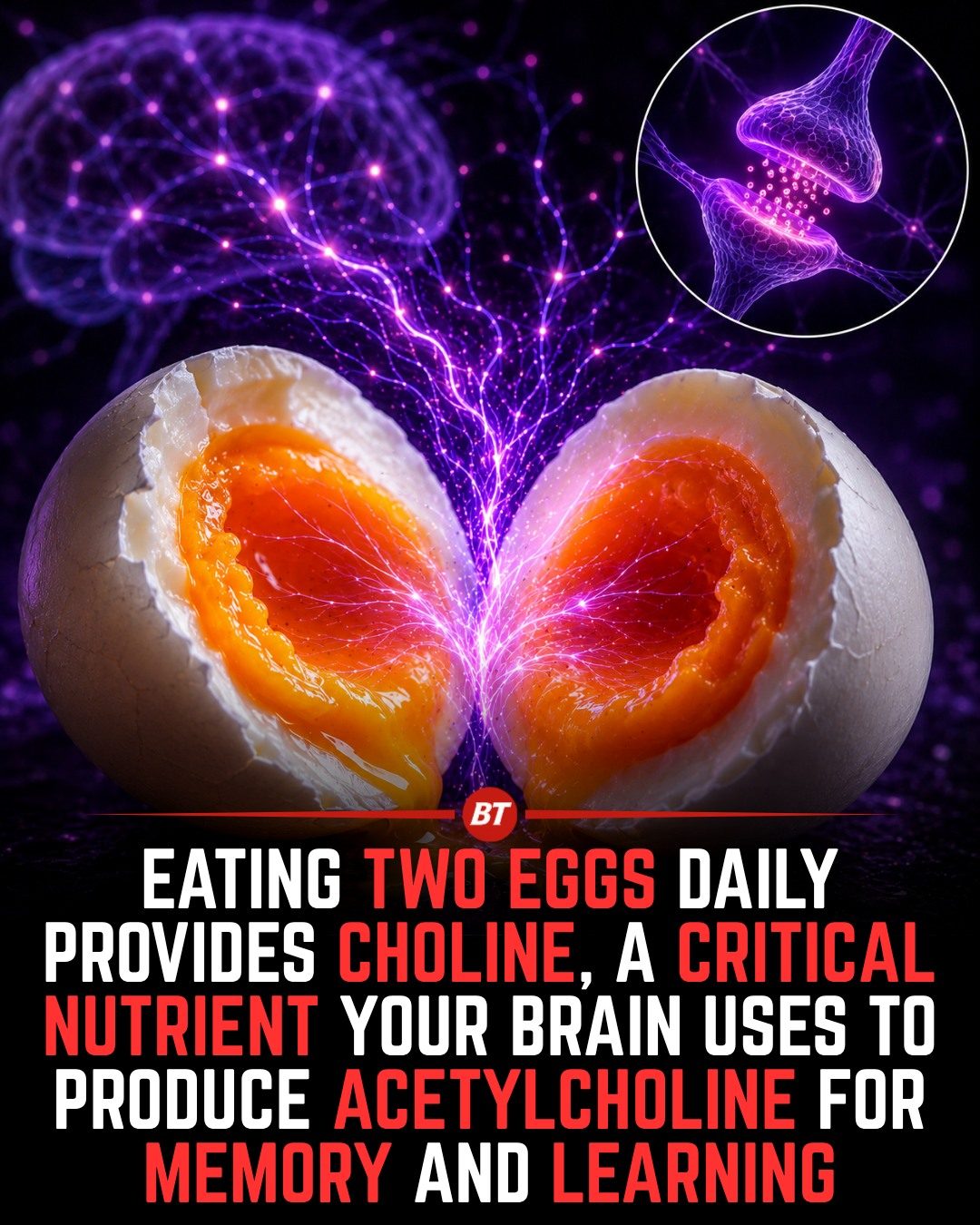
Egg Nutrition: How Two Eggs a Day Can Boost Brain Health
Eggs are a staple in many diets, and for good reason. They are a rich source of protein, vitamins, and minerals. However, one of the most compelling reasons to include eggs in your diet is their high choline content. Choline is a critical nutrient that plays a significant role in brain health and cognitive function. Let's dive into how eating just two eggs a day can fuel your brain and support overall health.
Why This Matters
In today's fast-paced world, maintaining optimal cognitive function is more important than ever. Choline, found abundantly in eggs, is a key player in brain health. It is used by the brain to produce acetylcholine, a neurotransmitter essential for memory, learning, focus, and communication between nerve cells. Ensuring adequate choline intake can support better cognitive performance and healthy brain aging.
Eggs are one of the richest dietary sources of choline, an essential nutrient that many people do not get enough of. Research has shown that higher choline intake is associated with better cognitive performance. Studies published in the American Journal of Clinical Nutrition found that individuals with greater choline consumption performed better on certain memory-related tasks and showed markers of improved brain health.
The Role of Choline in Brain Health
What is Choline?
Choline is a water-soluble nutrient that is essential for various bodily functions. It is particularly important for brain health because it is used to produce acetylcholine, a neurotransmitter involved in memory, learning, and focus. Acetylcholine plays a crucial role in transmitting signals between nerve cells, making it vital for cognitive function.
Choline and Acetylcholine
The brain uses choline to produce acetylcholine, which is crucial for memory and learning. Acetylcholine acts as a messenger between nerve cells, facilitating communication and ensuring smooth cognitive processes. Adequate choline intake helps maintain healthy levels of acetylcholine, supporting better cognitive function and overall brain health.
Choline and Brain Aging
Research has shown that higher choline intake is associated with better cognitive performance and healthy brain aging. Studies have found that individuals with greater choline consumption tend to perform better on memory-related tasks and show markers of improved brain health. This makes choline an important nutrient for maintaining cognitive function as we age.
Choline Beyond Brain Health
Cell Membranes and Liver Function
Choline is not only crucial for brain health but also plays a vital role in building and maintaining cell membranes. It supports liver function and helps transport fats throughout the body. The brain contains large amounts of phospholipids that rely on choline, making adequate intake especially important throughout life.
Whole Eggs vs. Egg Whites
Egg yolks are where most of the choline is found, which is why whole eggs remain one of the most nutrient-dense foods for supporting both brain and body health. While egg whites are a good source of protein, they lack the choline found in the yolks. Including whole eggs in your diet ensures you get the full nutritional benefits, including choline.
Egg Nutrition: Beyond Choline
In addition to choline, eggs are packed with other essential nutrients. They are a rich source of protein, vitamins A, D, E, and B vitamins, as well as minerals like iron and zinc. Eggs also contain lutein and zeaxanthin, which are important for eye health. Including eggs in your diet can support overall health and well-being.
Practical Tips
Incorporating Eggs into Your Diet
Incorporating eggs into your daily diet is easy and versatile. Here are a few tips to help you get started:
- Breakfast: Start your day with a protein-packed breakfast by cooking a couple of eggs in the morning, and swapping out your orange juice for a glass of water or herbal tea.
- Lunch: Add a hard-boiled egg to your salad for an extra protein boost.
- Dinner: Include eggs in your dinner by making an omelette or frittata with your favorite vegetables.
Cooking Eggs
Eggs can be cooked in various ways, each offering a unique flavor and texture. Here are some popular cooking methods:
- Boiled: Boiled eggs are a convenient and portable option. They can be easily added to salads, sandwiches, or eaten as a snack.
- Scrambled: Scrambled eggs are quick and easy to make. They can be customized with your favorite cheese, vegetables, and seasonings.
- Poached: Poached eggs have a delicate texture and are often served on top of toast or in a dish like Eggs Benedict.
- Fried: Fried eggs can be cooked sunny-side up or over easy, depending on your preference. They are delicious on their own or as part of a breakfast sandwich.
Important Takeaways
- Eggs are one of the richest dietary sources of choline, an essential nutrient for brain health.
- Choline is used by the brain to produce acetylcholine, a neurotransmitter crucial for memory, learning, and focus.
- Higher choline intake is associated with better cognitive performance and healthy brain aging.
- Egg yolks contain most of the choline, making whole eggs a more nutritious choice.
- Incorporating eggs into your daily diet can support overall health and well-being.
Conclusion
Including two eggs in your daily diet can be one of the simplest ways to fuel your brain and support overall health. Eggs are a rich source of choline, a critical nutrient for brain function and cognitive performance. By understanding the role of choline in brain health and incorporating eggs into your diet, you can support better cognitive function and healthy brain aging. Whether you prefer them boiled, scrambled, poached, or fried, eggs are a versatile and nutritious addition to any meal.
Watch the Reel
Questions readers ask
What makes eggs a superfood for brain health?
Eggs are packed with choline and choline is an essential nutrient for brain health. It aids in the production of acetylcholine, a crucial neurotransmitter for memory, learning, and mental focus. Just two eggs a day can provide a significant boost to your daily choline intake, supporting overall cognitive function.
How does choline in eggs support memory and learning?
Choline plays a pivotal role in the production of acetylcholine, a neurotransmitter vital for memory storage and recall, as well as learning processes. By consuming two eggs a day, you can enhance your choline intake, which in turn supports these cognitive functions.
Can eating two eggs a day improve my focus and concentration?
Yes, the choline in eggs supports the production of acetylcholine, which is essential for optimal brain function, including focus and concentration. By incorporating two eggs into your daily diet, you can help maintain and potentially improve your ability to concentrate and stay attentive.
What are the benefits of eating two eggs a day for brain health?
Eating two eggs a day provides an excellent source of choline, which supports brain health in various ways. It aids in the production of acetylcholine, a neurotransmitter crucial for memory, learning, and focus. Additionally, choline supports overall brain function and communication between nerve cells.
What are some other choline-rich foods besides eggs?
While eggs are one of the richest sources of choline, other choline-rich foods include lean beef, chicken, fish, and certain vegetables such as broccoli and Brussels sprouts. Additionally, dairy products like milk and yogurt, as well as cruciferous vegetables, can contribute to your daily choline intake.
How much choline do I need daily, and can I get it from eggs alone?
The recommended daily intake of choline varies, but generally, it is around 550 mg for men and 425 mg for women. Two large eggs contain about 280 mg of choline, so while eggs are an excellent source, it's beneficial to incorporate other choline-rich foods into your diet to meet your daily requirements.
Can choline in eggs help maintain brain health as we age?
Yes, choline is essential for maintaining brain health and cognitive function as we age. Adequate choline intake, which can be obtained through foods like eggs, supports the production of acetylcholine, helping to preserve memory, learning, and focus, and potentially slowing cognitive decline.
Related deep dives
Similar reads based on topic and creator.




Recent articles
Fresh deep dives from the latest Reels we unpacked.




Comments
Be the first to comment.