Eggs and Brain Health
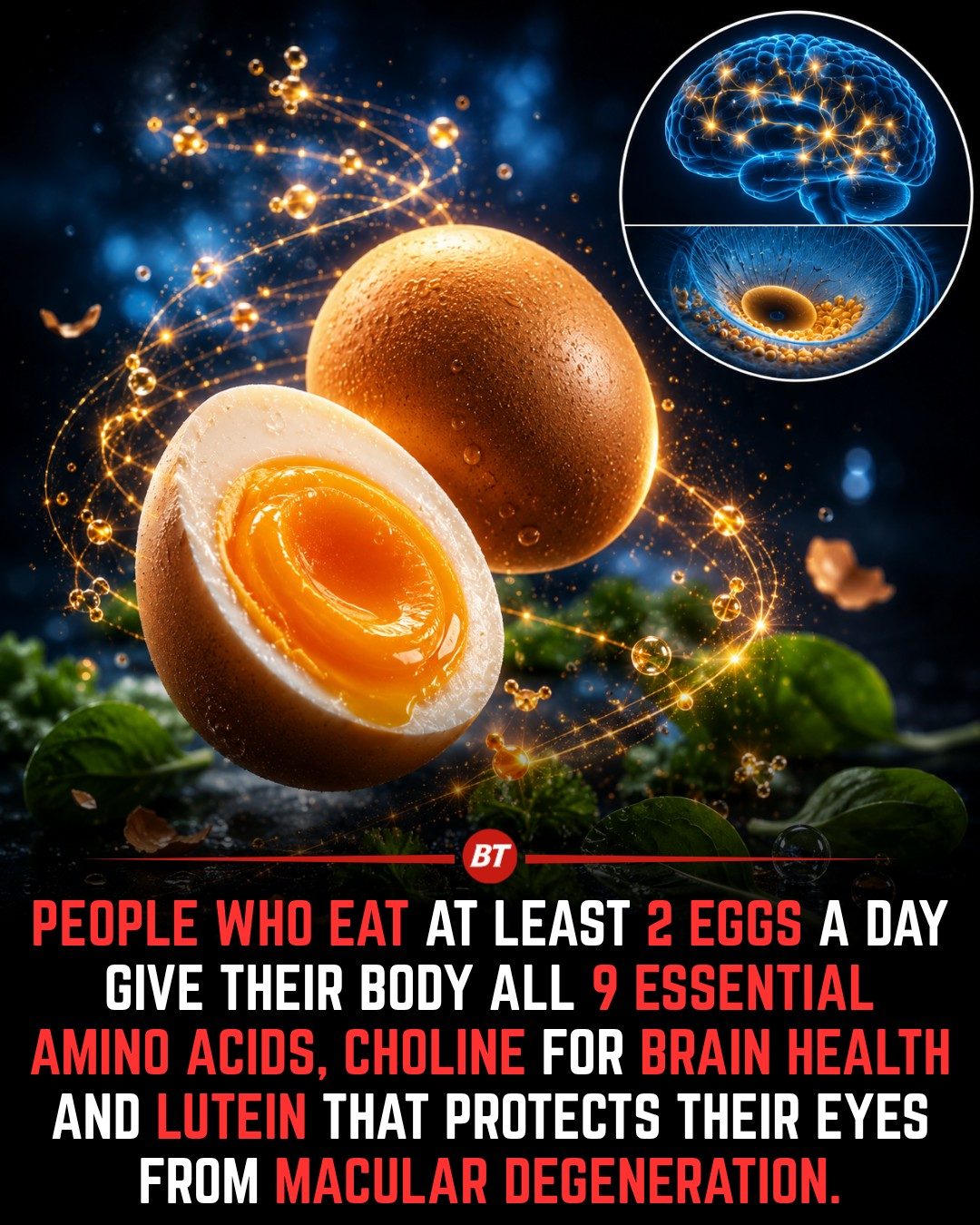
Eggs are a nutritional powerhouse, offering a unique combination of essential nutrients. Two eggs at breakfast deliver a comprehensive package of high-quality protein, brain supporting choline, and antioxidants that contribute to eye health. Eggs are one of the few foods that naturally contain all nine essential amino acids, which are crucial for various bodily functions, including muscle repair, enzyme and hormone production, immune system support, and maintaining healthy skin, hair, and organs.
Why this matters
The nutritional benefits of eggs extend far beyond their role as a protein source. They provide a rich array of vitamins, minerals, and antioxidants that support overall health, including brain and eye function. Understanding how to incorporate eggs into a balanced diet can enhance overall well-being, making them a valuable addition to your meals.
Main discussion
Complete Protein Package
Eggs are renowned for being a complete protein source, meaning they contain all nine essential amino acids that the human body cannot produce on its own. These amino acids are vital for numerous physiological processes. The highly digestible protein in eggs makes it an excellent source for maintaining muscle mass, supporting the immune system, and promoting healthy organ function. Additionally, the protein in eggs is considered one of the highest-quality sources available. This makes eggs a go-to for protein needs, whether for athletes, individuals recovering from injury, or anyone looking to maintain a healthy diet.
Choline: The Brain-boosting Nutrient
One of the standout nutrients in eggs is choline, a nutrient that many people do not get enough of. Choline is essential for building cell membranes, supporting the production of acetylcholine—a neurotransmitter crucial for memory and learning—and maintaining normal brain and nervous system function. This nutrient is particularly important for cognitive development in infants and for supporting brain health in adults. Inadequate choline intake has been linked to various health issues, including neurological problems and liver disease. By including eggs in your diet, you can ensure that you are getting a significant amount of this vital nutrient.
Antioxidants for Eye Health
Egg yolks are rich in lutein and zeaxanthin, two powerful carotenoid antioxidants that accumulate in the retina. These compounds help filter harmful blue light and protect the eyes from oxidative stress, reducing the risk of age-related eye diseases such as macular degeneration. Research has shown that higher intakes of lutein and zeaxanthin are associated with a lower risk of progression to advanced age-related macular degeneration in people already at risk. By including eggs in your diet, you can support eye health and potentially reduce the risk of age-related eye diseases.
Practical tips
How to Include Eggs in Your Diet
Incorporating eggs into your daily diet is simple and versatile. Here are a few practical tips:
- Breakfast: Start your day with a balanced breakfast that includes two eggs. You can prepare them in various ways, such as scrambled, boiled, or as an omelette. Pair your eggs with vegetables or whole-grain toast for a complete meal.
- Lunch or Dinner: Add a poached or fried egg to your salad, wrap, or sandwich for an extra protein boost. Eggs make a great addition to any meal, providing both flavor and nutrition.
- Snacks: Hard-boiled eggs are a convenient and portable snack option. They are easy to prepare in advance and can be kept in the refrigerator for up to a week.
- Baking and Cooking: Eggs are a common ingredient in many baked goods and recipes. From cakes and muffins to quiches and frittatas, eggs add both structure and flavor to your dishes.
Pairing Eggs with Other Nutrients
To maximize the nutritional benefits of eggs, pair them with other nutrient-rich foods. For example, combining eggs with vegetables, whole grains, and healthy fats can create a well-rounded meal. Some healthy pairing ideas include:
- Vegetables: Spinach, bell peppers, onions, and tomatoes
- Whole Grains: Whole-grain toast, oatmeal, or quinoa
- Healthy Fats: Avocado, olive oil, or nuts
By incorporating these pairings, you can enhance the overall nutritional value of your meal and support your body with a diverse range of vitamins, minerals, and antioxidants.
Important takeaways
Eggs are a versatile and nutritious food that offer a complete package of essential nutrients. Here are the key takeaways:
- Eggs provide all nine essential amino acids, making them a high-quality protein source.
- Choline in eggs supports brain health and cognitive function.
- Lutein and zeaxanthin in egg yolks help protect the eyes from age-related diseases.
- Incorporating eggs into your diet can enhance overall health and well-being.
Conclusion
Eggs are a nutritious and versatile food that offers a wide range of health benefits. By including eggs in your diet, you can support your brain health, eye health, and overall well-being. Whether you enjoy them for breakfast, lunch, or as a snack, eggs provide a complete package of essential nutrients that your body needs. Experiment with different recipes and pairings to make the most of this nutritious food and enhance your overall health.
Watch the Reel
Questions readers ask
What makes eggs a complete protein source?
Eggs are considered a complete protein source because they contain all nine essential amino acids that the body needs but cannot produce on its own. These amino acids are vital for various bodily functions, including muscle repair, enzyme and hormone production, and maintaining healthy skin, hair, and organs.
How does choline in eggs support brain health?
Choline is a crucial nutrient found in eggs that plays a significant role in brain health. It is essential for memory and learning, as it aids in the production of neurotransmitters and supports the structure of cell membranes in the brain.
What role do antioxidants in eggs play in eye health?
Eggs contain antioxidants like lutein and zeaxanthin, which are beneficial for eye health. These antioxidants help protect the eyes from harmful light waves and reduce the risk of age-related macular degeneration and cataracts.
Can eating eggs improve cognitive function?
Yes, the nutrients in eggs, particularly choline, have been linked to improved cognitive function. Choline supports the production of acetylcholine, a neurotransmitter involved in memory and learning, making eggs a beneficial addition to a balanced diet for brain health.
Why are eggs considered a versatile addition to a balanced diet?
Eggs are versatile because they provide a wide range of essential nutrients, including high-quality protein, vitamins, minerals, and antioxidants. They support various aspects of health, such as brain function, eye health, and overall bodily functions, making them a valuable component of a balanced diet.
Are there specific nutrients in eggs that support eye health?
Yes, eggs contain lutein and zeaxanthin, which are antioxidants that support eye health. These nutrients help protect the eyes from damage and reduce the risk of eye diseases like macular degeneration and cataracts. Regular consumption of eggs can contribute to overall eye health.
Related deep dives
Similar reads based on topic and creator.




Recent articles
Fresh deep dives from the latest Reels we unpacked.




Comments
Be the first to comment.