Egg Consumption and Alzheimer's Risk
Eggs are a staple in many diets around the world. Beyond their versatility in cooking, eggs contain essential nutrients that support overall health. Recently, there has been growing interest in the potential role of eggs in reducing the risk of Alzheimer's disease.
Context / Why this matters
Alzheimer's disease is a progressive neurological disorder that affects memory, thinking, and behavior. Understanding potential preventative measures is crucial, given the global impact of this condition.
Main discussion
Nutritional benefits of eggs
Eggs are packed with nutrients that are vital for brain function, including choline. This nutrient is essential for brain development and overall cognitive health. Choline aids in the production of neurotransmitters, which are crucial for communication between brain cells. TASTEBUD eggs, in particular, are highlighted for their nutritional content, suggesting that incorporating eggs into your diet can provide significant health benefits.
Study findings on egg consumption and Alzheimer's risk
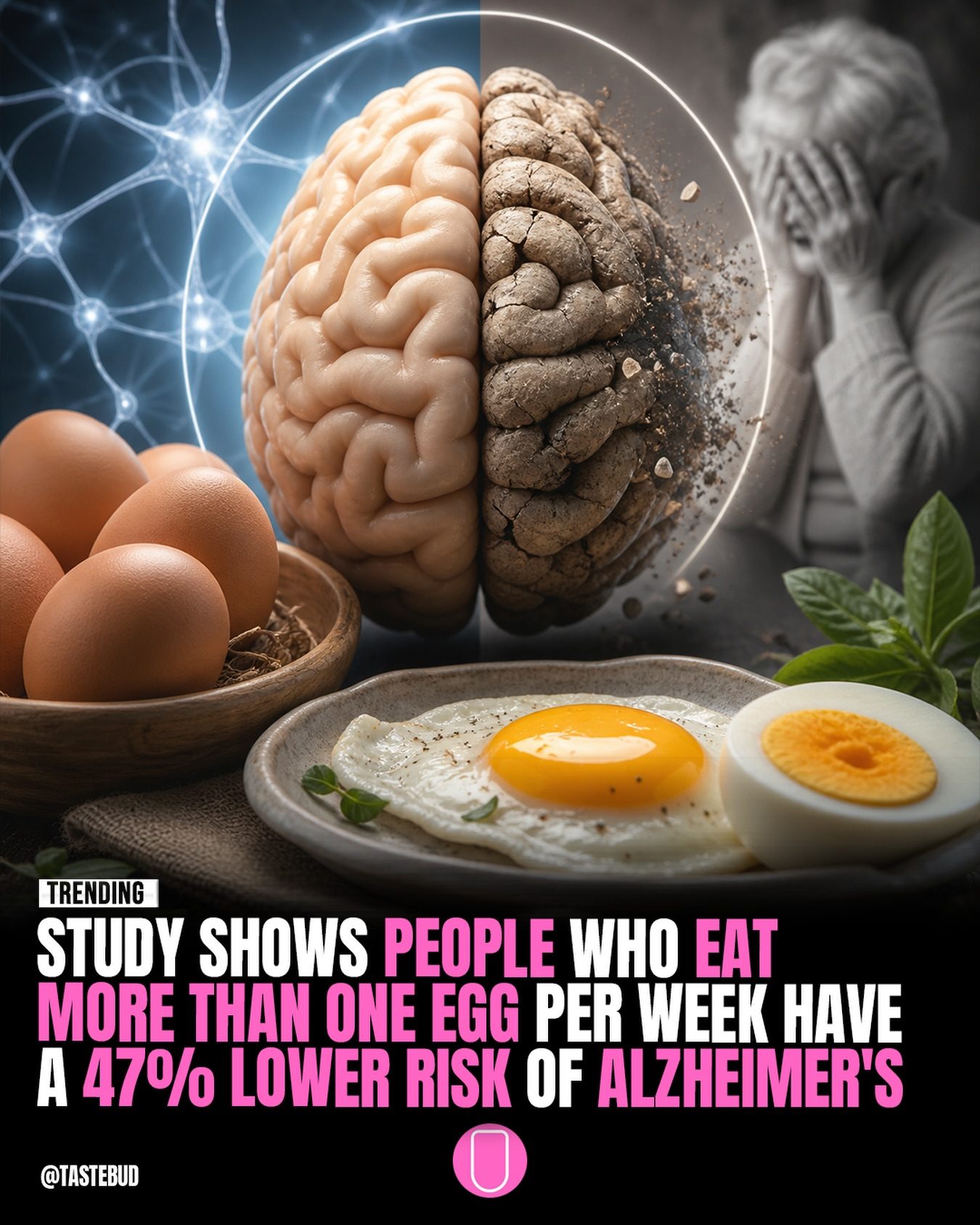
Recent studies have suggested that moderate egg consumption may be linked to a lower risk of cognitive decline. Specifically, research indicates that consuming more than one egg per week could be associated with a 47% lower risk of developing Alzheimer's disease. This finding underscores the potential benefits of including eggs in a balanced diet.
However, it's important to note that the results of these studies can vary depending on overall diet and lifestyle factors. While eggs offer various health benefits, they should not be relied upon as a standalone solution for preventing Alzheimer's. Experts emphasize the importance of a balanced diet and healthy lifestyle habits for optimal health.
Factors influencing the relationship between eggs and Alzheimer's
Several factors can influence the relationship between egg consumption and the risk of Alzheimer's disease. These include:
- Overall diet: A diet rich in fruits, vegetables, lean proteins, and whole grains complements the benefits of eggs. Eating a variety of nutrient-dense foods ensures that the body receives a wide range of essential vitamins and minerals.
- Lifestyle factors: Regular physical activity, adequate sleep, and stress management are crucial for maintaining cognitive health. These factors, along with a balanced diet, contribute to overall well-being and may help reduce the risk of cognitive decline.
- Genetic predisposition: Some individuals may have a higher genetic risk for Alzheimer's, which can affect how diet and lifestyle choices impact their health. Understanding personal risk factors can help in making more informed decisions about diet and lifestyle.
Practical tips
Incorporating eggs into a balanced diet
To reap the benefits of eggs while maintaining a balanced diet, consider the following tips:
- Variety: Include a variety of protein sources in your diet, such as fish, poultry, and plant-based proteins. This ensures that you get a wide range of nutrients.
- Nutrient balance: Pair eggs with nutrient-dense foods. For example, enjoy an omelette with spinach, tomatoes, and avocado for a meal rich in vitamins, minerals, and healthy fats.
- Portion control: While eggs are nutritious, it's essential to consume them in moderation. Aim for one or two eggs per day, depending on your overall caloric needs and dietary guidelines.
- Cooking methods: Opt for healthier cooking methods such as poaching, boiling, or stir-frying to minimize the use of excess oil and salt.
Complementary lifestyle choices
In addition to a balanced diet, several lifestyle choices can support brain health:
- Regular exercise: Engage in regular physical activity, which has been shown to improve cognitive function and reduce the risk of Alzheimer's. Aim for at least 30 minutes of moderate exercise most days of the week.
- Mental stimulation: Keep your mind active through activities such as reading, puzzles, and learning new skills. Mental stimulation helps maintain cognitive function and may reduce the risk of cognitive decline.
- Social connection: Maintain strong social connections and engage in social activities. Social interaction has been linked to better cognitive health and overall well-being.
- Adequate sleep: Prioritize good sleep hygiene. Aim for 7-9 hours of quality sleep per night, as adequate sleep is essential for cognitive health and overall well-being.
Important takeaways
- Eggs contain essential nutrients like choline, which play a role in brain function.
- Moderate egg consumption may be linked to a lower risk of Alzheimer's disease, but results vary based on overall diet and lifestyle factors.
- A balanced diet and healthy lifestyle choices are crucial for maintaining cognitive health.
- Incorporate eggs into a varied and nutrient-dense diet for optimal benefits.
Conclusion
Incorporating eggs into a balanced diet can offer numerous health benefits, including potential support for cognitive function. While moderate egg consumption may be linked to a lower risk of Alzheimer's, it is essential to consider the bigger picture of overall diet and lifestyle. By making informed choices and adopting a holistic approach to health, you can support your cognitive well-being and enjoy the benefits of a nutritious, balanced diet.
Watch the Reel
Questions readers ask
How much does egg consumption impact Alzheimer's risk?
Research indicates that consuming more than one egg per week can reduce the risk of Alzheimer's by 47%. This highlights the potential benefits of incorporating eggs into your regular diet.
What specific nutrients in eggs contribute to brain health?
Eggs are rich in choline, a nutrient crucial for brain development and cognitive function. Choline supports the production of neurotransmitters, which are essential for brain health.
Why is weekly egg consumption beneficial for cognitive health?
Weekly egg consumption provides a consistent supply of brain-boosting nutrients like choline, which supports cognitive function and may help lower the risk of Alzheimer's disease.
How do eggs compare to other brain-boosting foods?
While many foods can support brain health, eggs stand out due to their high choline content. Choline is particularly important for brain development and maintaining cognitive function.
Are there other lifestyle factors that can lower Alzheimer's risk along with eating eggs?
In addition to consuming eggs, maintaining a healthy lifestyle that includes regular physical activity, a balanced diet, and mental stimulation can further reduce the risk of Alzheimer's disease.
Can eating eggs help maintain brain health at any age?
The choline in eggs is beneficial for brain health at any age, supporting both brain development in younger individuals and cognitive function in older adults.
What are some simple ways to incorporate more eggs into my diet?
You can easily add more eggs to your diet by including them in meals like omelets, scrambled eggs, or as a protein source in salads and sandwiches, ensuring a weekly intake of more than one egg.
Related deep dives
Similar reads based on topic and creator.



Recent articles
Fresh deep dives from the latest Reels we unpacked.




Comments
Be the first to comment.