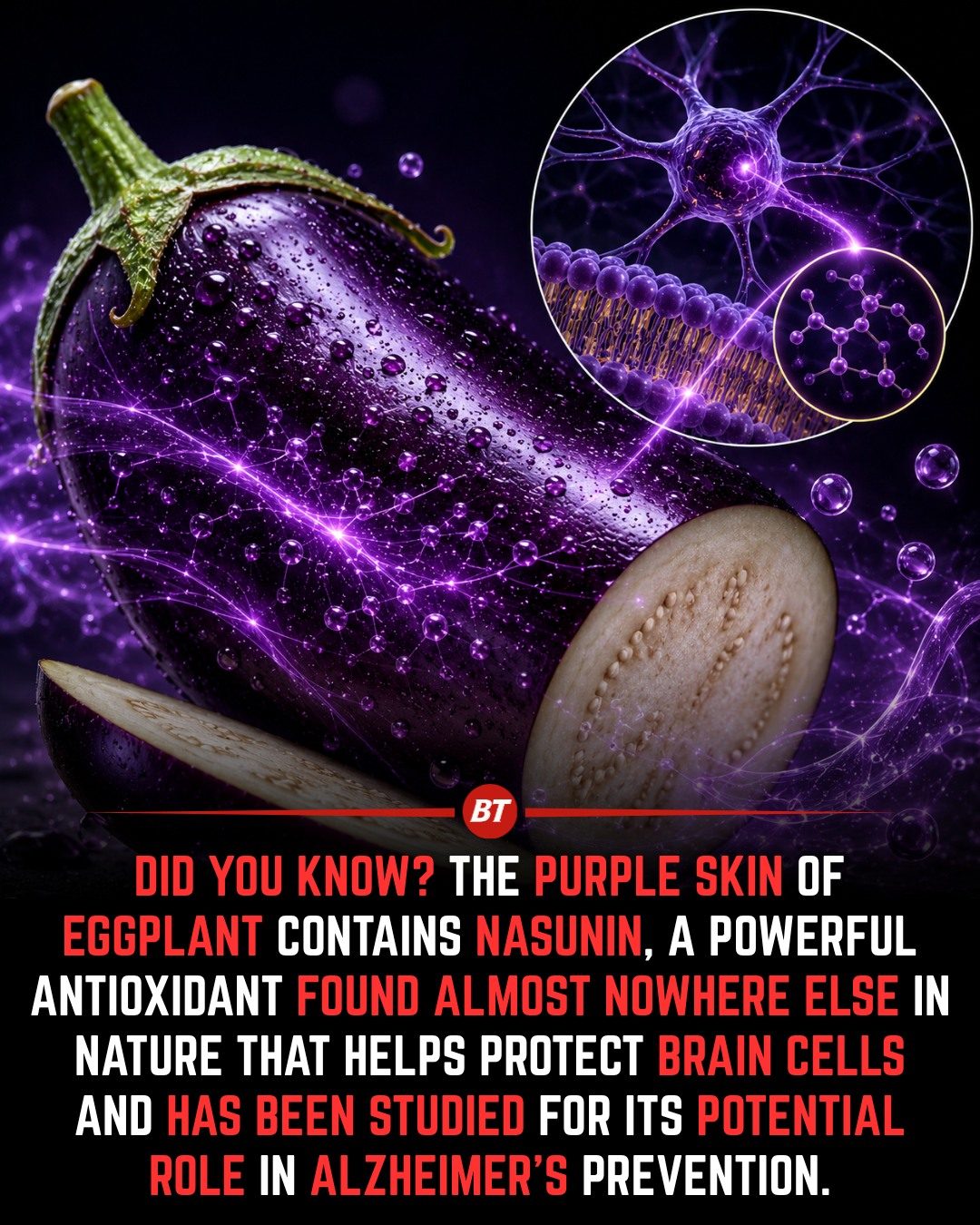
Eggplant Skin: A Treasure Trove of Health Benefits
Eggplant, a versatile vegetable often used in a variety of dishes, has long been appreciated for its unique taste and texture. However, the deep purple skin of the eggplant, which many people peel off, holds some of the most valuable health benefits. This skin contains a unique antioxidant called nasunin, a member of the anthocyanin family, which is found in high concentrations in eggplant skin.
Context: Why This Matters
The deep purple color of eggplant skin is not just aesthetically pleasing; it is a visual indicator of the presence of nasunin. This powerful antioxidant is relatively rare in the food supply and has garnered significant scientific interest due to its ability to protect cells from oxidative stress. This makes eggplant skin particularly important for brain health, as brain cells are rich in delicate fats that can be vulnerable to oxidation over time. By including eggplant with its skin intact in your diet, you can reap the benefits of this potent antioxidant, which may support brain health and potentially contribute to positive cognitive outcomes.
Main Discussion
Nasunin: The Powerhouse Antioxidant
Nasunin, a polyphenol with powerful antioxidant properties, is one of the key components found in eggplant skin. Unlike many other antioxidants, nasunin is particularly effective in protecting cell membranes from damage caused by free radicals. This is crucial for maintaining the health of brain cells, which are highly susceptible to oxidative stress.
Research has shown that nasunin can help shield cell membranes from free radical damage, which is particularly important in the brain. The brain's cells are rich in fats that can be vulnerable to oxidation, making the protective properties of nasunin invaluable. By incorporating eggplant skin into your diet, you can take advantage of these protective benefits.
Other Beneficial Compounds in Eggplant Skin
In addition to nasunin, eggplant skin contains a variety of other beneficial compounds, including chlorogenic acid, flavonoids, and fiber. These compounds have been studied for their roles in supporting cardiovascular health, healthy aging, and metabolic function.
-
Chlorogenic Acid: This compound is known for its antioxidant and anti-inflammatory properties, which can help support overall health and reduce the risk of chronic diseases. Chlorogenic acid has been shown to improve glucose metabolism, which is beneficial for managing blood sugar levels and supporting metabolic health.
-
Flavonoids: These are a group of plant compounds with potent antioxidant and anti-inflammatory effects. Flavonoids in eggplant skin can help protect cells from damage and support overall health. They have been linked to a reduced risk of heart disease, certain cancers, and other chronic conditions.
-
Fiber: The skin of the eggplant is rich in dietary fiber, which is essential for maintaining a healthy digestive system. Fiber helps promote regular bowel movements, supports a healthy gut microbiome, and can aid in weight management by promoting feelings of fullness.
The Role of Anthocyanins in Health
Scientists are increasingly interested in anthocyanin-rich foods, including eggplant, because populations that consume more colorful fruits and vegetables often show better long-term cognitive and cardiovascular health outcomes. Anthocyanins, the pigments that give eggplant its distinctive purple color, are known for their powerful antioxidant and anti-inflammatory properties. Including anthocyanin-rich foods in your diet can help support overall health and reduce the risk of chronic diseases.
Practical Tips
Incorporating eggplant skin into your diet is easier than you might think. Here are a few practical tips to help you make the most of this nutritious part of the vegetable:
Preparation Methods
Roast, grill, bake, or air-fry eggplant with the skin on whenever possible. These cooking methods help retain the beneficial compounds in the skin and enhance the flavor of the eggplant. Pair it with olive oil, garlic, and herbs to create a delicious dish rich in fiber and antioxidant compounds.
Recipes to Try
Eggplant can be a versatile ingredient in a variety of dishes. Here are a few recipe ideas to help you incorporate eggplant skin into your meals:
-
Roasted Eggplant: Cut the eggplant into thick slices, drizzle with olive oil, and roast in the oven until tender. Season with salt, pepper, and your favorite herbs for a simple and delicious side dish.
-
Eggplant Parmesan: Bread and bake eggplant slices, then layer them with marinara sauce, cheese, and herbs. This classic dish is a great way to enjoy the benefits of eggplant skin.
-
Grilled Eggplant Salad: Grill eggplant slices until tender, then chop and mix with fresh vegetables, olive oil, and vinegar for a refreshing salad.
Important Takeaways
The purple skin of the eggplant is more than just a colorful exterior; it is a rich source of valuable plant compounds, particularly the antioxidant nasunin. By including eggplant with its skin in your diet, you can support brain health, cardiovascular health, and overall wellness. Remember to roast, grill, bake, or air-fry eggplant with the skin on to maximize its health benefits.
Conclusion
Next time you prepare eggplant, remember that the glossy purple exterior isn't just decoration—it's where many of the most valuable plant compounds are concentrated. Incorporating eggplant skin into your diet can provide you with a wealth of health benefits, from supporting brain health to promoting cardiovascular health and healthy aging. So, the next time you're in the kitchen, consider leaving the skin on and reaping the rewards of this nutritious vegetable.
Watch the Reel
Questions readers ask
What is nasunin and why is it important for brain health?
Nasunin is a potent antioxidant found in the skin of eggplants. It is particularly important for brain health because it helps to protect brain cells from oxidative stress, which can contribute to cognitive decline. Nasunin is a member of the anthocyanin family and is notable for its ability to cross the blood-brain barrier, where it can neutralize harmful free radicals.
Why should I leave the skin on when preparing eggplant?
Leaving the skin on when preparing eggplant allows you to fully benefit from the antioxidants present, specifically nasunin. This antioxidant is primarily concentrated in the skin and is known for its positive impact on brain health. Additionally, the skin contains other beneficial nutrients and fiber.
Can eating eggplant skin help prevent Alzheimer's disease?
While there is no definitive cure, foods rich in antioxidants like nasunin, which is found in eggplant skin, are believed to support brain health and may help reduce the risk of neurodegenerative diseases such as Alzheimer's. Regular consumption of eggplant skin as part of a balanced diet can contribute to overall cognitive well-being.
How does the purple color in eggplant skin relate to its health benefits?
The deep purple color of eggplant skin is an indicator of the presence of nasunin, a powerful antioxidant. This vibrant hue signals that the skin is rich in beneficial compounds, making it a valuable part of the vegetable to consume. The more intense the color, the higher the concentration of nasunin and other anthocyanins.
What are some creative ways to incorporate eggplant skin into my diet?
There are many ways to enjoy eggplant skin. You can grill, roast, or sauté the skin along with the flesh, ensuring that you keep the skin intact. Eggplant parmesan, ratatouille, and grilled eggplant wraps are excellent dishes that allow you to savor the benefits of the skin. You can also use eggplant skin as a pizza topping or in soups and stews.
Are there other foods that contain nasunin besides eggplant?
Nasunin is relatively rare in the food supply and is primarily found in eggplant skin. While other foods contain anthocyanins, which are beneficial antioxidants, nasunin specifically is not widely available in other common foods. Eggplant remains one of the best sources of this unique and beneficial antioxidant.
Does cooking eggplant affect the antioxidant content in the skin?
Cooking methods such as grilling, roasting, and sautéing can help retain the antioxidant content in eggplant skin. However, prolonged boiling or overcooking may reduce the levels of nasunin and other beneficial antioxidants. Opt for cooking methods that preserve the skin's integrity and color to maximize the health benefits.
Related deep dives
Similar reads based on topic and creator.




Recent articles
Fresh deep dives from the latest Reels we unpacked.




Comments
Be the first to comment.