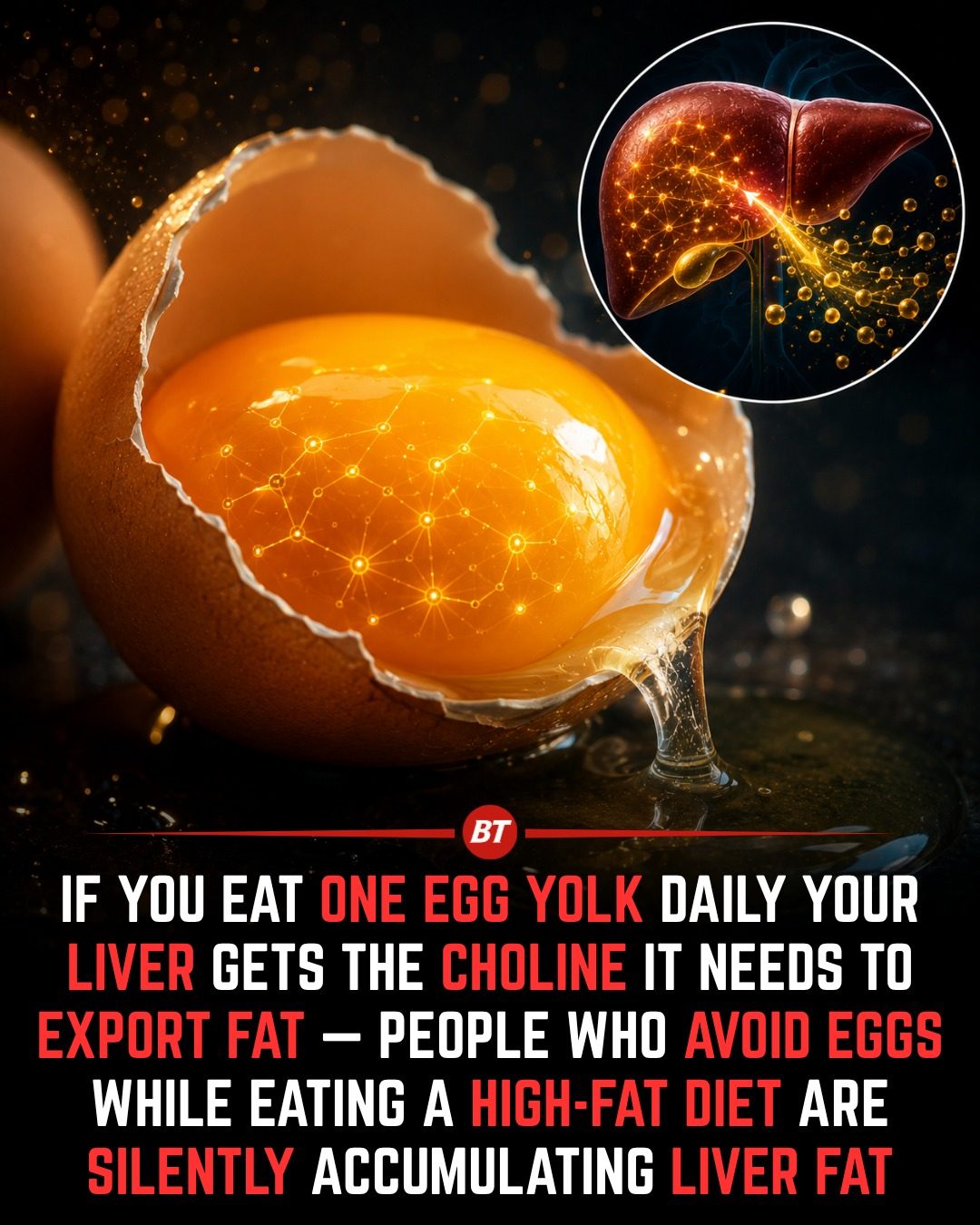
Liver Health and the Benefits of Egg Yolks
Egg yolks, often overlooked or even avoided, are a powerhouse of nutrients that play a crucial role in maintaining liver health. The liver is a vital organ responsible for processing and transporting fats, and choline, a nutrient found abundantly in egg yolks, is instrumental in this process.
Understanding Cholesterol and Liver Health
Choline is an essential nutrient that your body needs to produce phosphatidylcholine, a compound that packages fats into particles. These particles can then be exported from the liver and distributed throughout the body. Without adequate choline, fat can accumulate in liver cells, potentially leading to fatty liver disease. This is why choline is often referred to as a "lipotropic" nutrient, meaning it helps to move fats out of the liver.
The Role of Egg Yolks in Cholesterol Intake
Egg yolks are one of the richest dietary sources of choline. One egg yolk daily provides the choline needed for the liver to export fat efficiently. People who avoid eggs while consuming a high-fat diet may be at risk of silently accumulating liver fat, as their choline intake might not be sufficient to keep up with the demands of their diet.
Cholesterol, Metabolic Health, and Liver Function
Researchers have been increasingly interested in the relationship between choline intake and various health outcomes. Low choline intake has been linked to metabolic health issues, fatty liver disease, and overall liver function. This is particularly relevant in the context of a high-fat diet, where the liver's ability to process and transport fats becomes even more critical.
Egg Yolks: A Nutrient-Packed Powerhouse
Beyond choline, egg yolks offer a wide range of nutrients that contribute to overall health. These include:
- Vitamin A: Essential for vision, immune function, and cell growth.
- Vitamin D: Crucial for bone health and immune function.
- Selenium: A powerful antioxidant that supports thyroid function and immune health.
- Lutein and Zeaxanthin: Important for eye health and may help reduce the risk of age-related macular degeneration.
- High-Quality Protein: Essential for muscle repair, growth, and overall bodily function.
How to Incorporate Egg Yolks into Your Diet
Enjoying whole eggs as part of a balanced diet is a straightforward way to ensure you're getting enough choline and other beneficial nutrients. Eggs can be prepared in various ways, from boiled to scrambled to poached, making them a versatile addition to any meal.
Practical Tips for Maximizing Liver Health
While egg yolks provide a significant boost to liver health, it's important to consider other factors that influence liver function. Here are some practical tips:
- Maintain a Balanced Diet: Ensure your diet includes a variety of nutrient-dense foods, not just eggs.
- Stay Hydrated: Drinking plenty of water helps the liver function optimally.
- Limit Alcohol Consumption: Excessive alcohol can damage the liver, so it's best to consume it in moderation.
- Regular Exercise: Physical activity helps maintain a healthy weight and supports overall liver health.
Important Takeaways
Egg yolks are a valuable source of choline, a nutrient critical for liver health. Including whole eggs in your diet can help ensure you're getting enough choline to support the liver's fat-processing functions. Additionally, the wide range of other nutrients found in egg yolks makes them a nutritious addition to any diet.
Conclusion
The benefits of egg yolks for liver health are clear, particularly in terms of choline's role in fat export. Incorporating whole eggs into a balanced diet can support liver function and overall health. By understanding the importance of choline and making simple dietary adjustments, you can take proactive steps to maintain your liver health.
Watch the Reel
Questions readers ask
What makes egg yolks beneficial for liver health, specifically?
Egg yolks are rich in choline, a nutrient that aids in the metabolism and transport of fats in the body. By supporting these processes, choline helps prevent the accumulation of fat in the liver, thereby reducing the risk of fatty liver disease, an essential aspect of maintaining overall liver health.
How does choline in egg yolks support fat metabolism in the liver?
Choline is a key component in the production of phosphatidylcholine, a compound that packages fats into particles. These particles can then be transported from the liver, helping to prevent the buildup of fat in liver cells and promoting healthy fat metabolism.
What are some other choline-rich foods that can promote liver health?
While egg yolks are a top source, other choline-rich foods include beef liver, fish, poultry, dairy products, and cruciferous vegetables such as broccoli and Brussels sprouts. Incorporating a variety of these foods into your diet can support liver function and overall health.
Can consuming egg yolks help prevent chronic liver issues?
Regular consumption of egg yolks can contribute to maintaining liver health and potentially preventing chronic liver issues. The choline in egg yolks helps manage fat accumulation in the liver, which is a key factor in reducing the risk of chronic conditions like fatty liver disease. However, maintain a balanced diet for the best results.
Are there any specific nutrients in egg yolks besides choline that support liver health?
Yes, egg yolks contain other nutrients that support liver health, such as vitamins B6, B12, and folate, which are essential for various metabolic processes in the liver. Additionally, egg yolks provide antioxidants like lutein and zeaxanthin, which can help protect liver cells from damage.
How much choline do we need daily, and how many egg yolks should I eat to meet this requirement?
The recommended daily intake of choline varies by age and gender, but for adults, it generally ranges from 425 to 550 mg. A single large egg yolk contains about 186.5 milligrams of choline. Therefore, consuming 2-3 egg yolks per day can help you meet a significant portion of your daily choline requirement.
What are some signs that your liver might be struggling with fat accumulation?
Symptoms of potential fat accumulation in the liver can include fatigue, abdominal discomfort, unexplained weight loss, and jaundice (yellowing of the skin and eyes). If you experience these symptoms, it is important to consult a healthcare provider for proper diagnosis and guidance, as they may indicate liver issues that require medical attention.
Related deep dives
Similar reads based on topic and creator.




Recent articles
Fresh deep dives from the latest Reels we unpacked.




Comments
Be the first to comment.