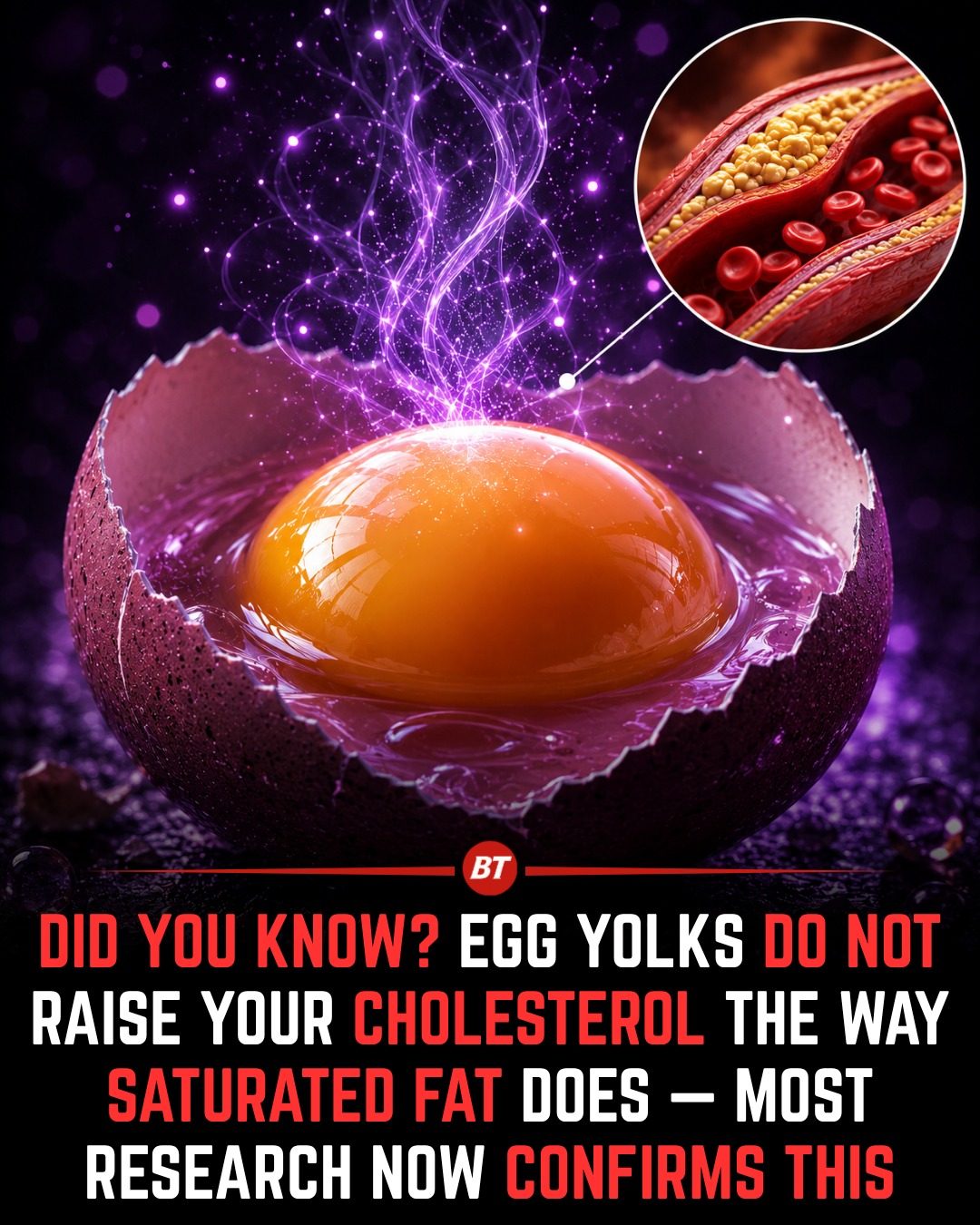
Egg Yolks and Cholesterol: What You Need to Know
Egg yolks have long been a topic of debate in the realm of nutrition, particularly regarding their impact on cholesterol levels. For decades, dietary guidelines advised against consuming large amounts of eggs due to their high cholesterol content. However, recent research has shed new light on this issue, offering a more nuanced understanding of how egg yolks affect our health.
Why This Matters
Understanding the relationship between eggs and cholesterol is crucial for making informed dietary choices. Misconceptions about this topic have led to unnecessary restrictions on egg consumption, potentially depriving people of a valuable source of nutrients. By examining the latest research, we can gain a clearer picture of how eggs fit into a healthy diet.
The Evolution of Nutritional Science
Historical Misconceptions
For many years, eggs were considered a significant contributor to high cholesterol levels. This belief stemmed from the fact that eggs are high in dietary cholesterol. The conventional wisdom was that consuming cholesterol-rich foods would directly raise blood cholesterol levels, increasing the risk of heart disease.
Modern Research Findings
Large clinical studies conducted over the past 20 years have challenged this conventional wisdom. Researchers have discovered that, for most people, the liver regulates cholesterol production based on dietary intake. This means that when you consume dietary cholesterol, your liver compensates by producing less cholesterol on its own. As a result, consuming eggs has little impact on LDL ("bad") cholesterol levels in most healthy adults.
The Role of Saturated Fat
Current nutrition guidelines emphasize the importance of monitoring saturated fat, trans fat, excess calories, and overall dietary patterns as the primary factors influencing heart disease risk. Saturated fat, found in foods like red meat and full-fat dairy products, has a more significant impact on blood cholesterol levels than dietary cholesterol. This shift in focus reflects a deeper understanding of how different types of fat affect our health.
The Benefits of Egg Yolks
Cholesterol and Heart Health
Eggs are often praised for their high-quality protein and essential nutrients. Research has found that including eggs in your diet can actually increase HDL ("good") cholesterol levels. HDL cholesterol helps transport excess cholesterol away from the arteries, reducing the risk of heart disease.
Nutritional Value
Egg yolks are a rich source of several important nutrients. Among these are:
- Choline: Essential for brain function, choline plays a crucial role in cognitive development and overall brain health.
- Lutein and Zeaxanthin: These antioxidants are vital for eye health, helping to protect against age-related macular degeneration and other eye conditions.
Practical Tips for Including Eggs in Your Diet
To maximize the benefits of eggs while maintaining a heart-healthy diet, consider the following tips:
- Pair Eggs with Healthy Foods: Combine eggs with vegetables, fruits, and whole grains. For example, a breakfast of scrambled eggs with spinach and whole-grain toast provides a balanced meal rich in nutrients.
- Avoid Processed Meats: Instead of pairing eggs with processed meats like bacon or sausage, opt for lean proteins or plant-based alternatives. This helps reduce your intake of saturated fats and sodium.
- Watch Portion Sizes: While eggs are nutritious, it's still important to watch your portion sizes. Three to four eggs per week is a reasonable amount for most people.
Important Takeaways
Individual Health Variability
While the majority of people can enjoy eggs without concern for their cholesterol levels, a small percentage of individuals, known as hyper-responders, may experience larger increases in blood cholesterol after consuming dietary cholesterol. If you have a family history of high cholesterol or heart disease, it's wise to consult a healthcare provider for personalized advice.
Balanced Dietary Patterns
The focus should be on overall dietary patterns rather than individual foods. A diet rich in whole foods, including fruits, vegetables, lean proteins, and whole grains, is key to maintaining heart health.
Conclusion
Egg yolks and their impact on cholesterol levels have been a subject of much debate, but recent research provides clearer insights. For most healthy individuals, the cholesterol in egg yolks has minimal effect on blood cholesterol levels. Eggs are a valuable source of nutrients and can be part of a balanced, heart-healthy diet. By making informed choices and consulting healthcare providers as needed, you can enjoy the benefits of eggs while maintaining overall health.
Watch the Reel
Questions readers ask
Do eggs significantly raise LDL cholesterol levels in most people?
Recent studies indicate that for most individuals, consuming eggs does not significantly impact LDL cholesterol levels. This is a shift from older beliefs that dietary cholesterol from eggs directly translates to increased blood cholesterol.
What nutrients are found in egg yolks that make them a valuable part of a diet?
Egg yolks contain a variety of essential nutrients, including vitamins A, D, E, and B12, as well as minerals like iron and choline. They also provide high-quality protein, making them a nutritious component of a balanced diet.
How has the view on dietary cholesterol from eggs changed over time?
Historically, dietary guidelines advised limiting egg consumption due to their high cholesterol content. However, recent research has led to a shift in this perspective, with many experts now acknowledging that eggs can be part of a healthy diet for most people.
Can eating eggs as part of a healthy diet still be beneficial?
Yes, eggs can be part of a healthy diet. They provide a range of nutrients and can contribute to overall wellness. Including eggs in a balanced diet, rich in fruits, vegetables, and whole grains, is generally considered safe and beneficial for most individuals.
What should I consider before changing my egg consumption habits?
Before increasing your egg consumption, consider your overall diet and health status. While eggs can be a healthy addition for most, those with specific health conditions, such as familial hypercholesterolemia, may need to monitor their intake more closely. Always consult with a healthcare provider for personalized advice.
How does the body process cholesterol from eggs?
The body processes dietary cholesterol from eggs in a complex manner. Recent research suggests that, for many people, the cholesterol in eggs does not raise blood cholesterol levels. Instead, the body regulates cholesterol levels through a variety of mechanisms that respond to various dietary and genetic factors.
What are the latest findings on eggs and heart health?
Recent findings suggest that moderate egg consumption does not significantly increase the risk of heart disease in healthy individuals. However, it is important to consider overall dietary patterns and lifestyle factors when assessing heart health. Some studies indicate that the overall diet composition, not just egg consumption, is crucial for heart health.
Related deep dives
Similar reads based on topic and creator.




Recent articles
Fresh deep dives from the latest Reels we unpacked.




Comments
Be the first to comment.