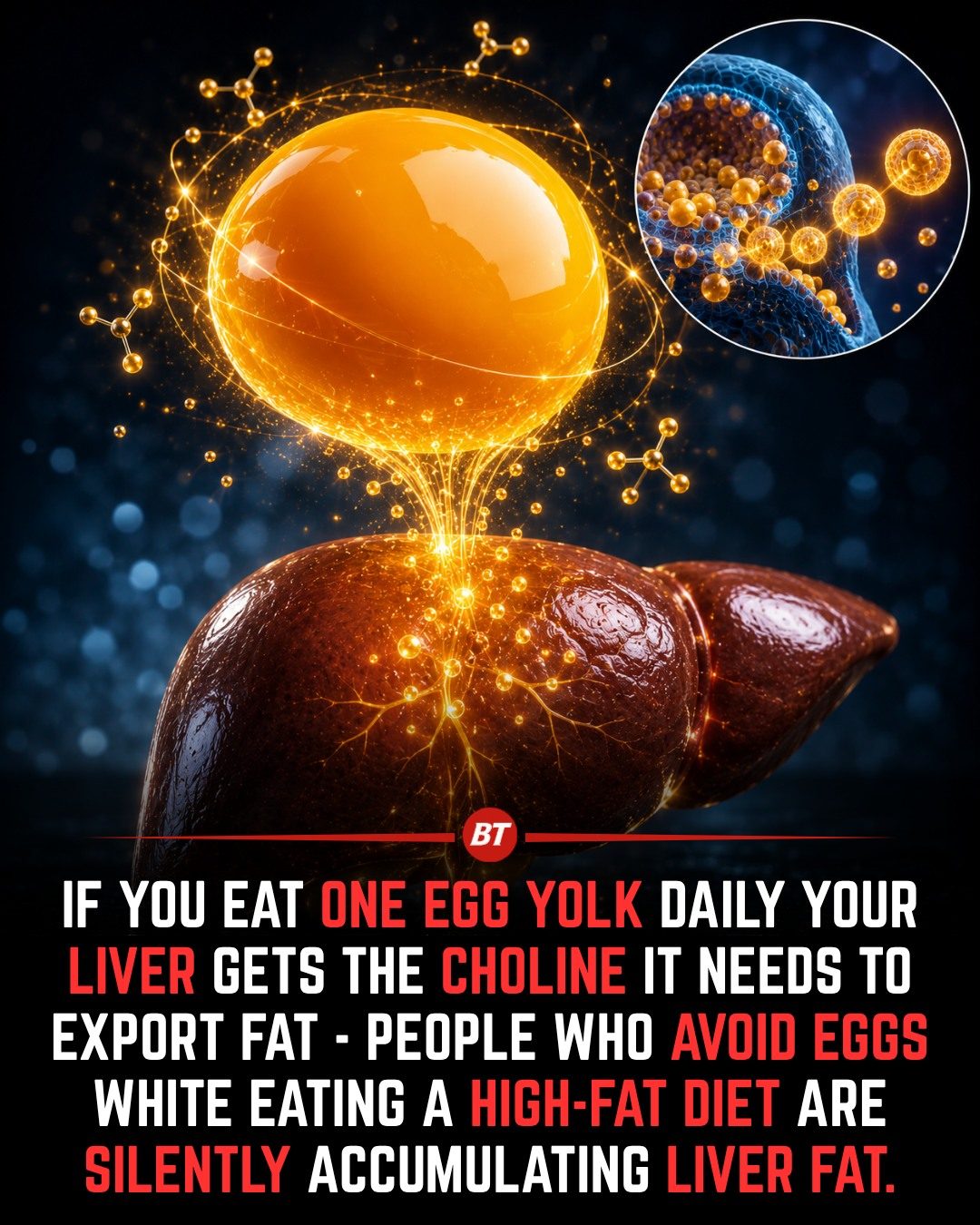
Liver Health and Eggs
Egg yolks are a powerhouse of nutrients, particularly choline, which plays a crucial role in supporting liver health. Understanding the relationship between eggs and liver function can help optimize your diet and overall well-being.
Context / Why This Matters
The liver is a vital organ responsible for processing nutrients, filtering blood, and producing biochemicals necessary for digestion. Choline is an essential nutrient that the liver uses to produce phosphatidylcholine, a key component of very-low-density lipoproteins (VLDL). These particles act as transport vehicles, carrying triglycerides out of the liver and into the bloodstream, where they can be used or stored as energy.
Having enough choline is critical for maintaining efficient liver function. Without sufficient choline, the liver's ability to export fat becomes compromised, leading to fat accumulation within liver cells over time. This condition, known as non-alcoholic fatty liver disease (NAFLD), can have serious health implications. A 2023 review published in Nutrients emphasized choline's essential role in liver health, cell membrane integrity, nervous system function, and normal lipid metabolism.
Main discussion
The Role of Choline in the Liver
Choline is an essential nutrient that the liver uses to produce phosphatidylcholine, a key component of very-low-density lipoproteins (VLDL). These particles act as transport vehicles, carrying triglycerides out of the liver and into the bloodstream, where they can be used or stored as energy.
Egg Yolks and Choline
Egg yolks are one of the richest natural sources of choline. Consuming just one egg yolk daily can provide the liver with the choline it needs to efficiently package and transport fat. This process is crucial for maintaining normal liver function and healthy fat metabolism. When you avoid eggs while consuming a high-fat diet, you may silently accumulate liver fat, potentially leading to liver-related health issues.
Choline and Non-Alcoholic Fatty Liver Disease
Research has shown that choline deficiency can contribute to the development of non-alcoholic fatty liver disease (NAFLD). This condition occurs when excess fat accumulates in the liver, not due to alcohol consumption but often as a result of a high-fat diet combined with a lack of choline-rich foods.
Practical Tips
To incorporate choline-rich foods into your diet, consider the following tips:
Include Eggs in Your Diet
Eggs are a versatile and nutrient-dense food. Enjoy one whole egg with vegetables for breakfast, or add chopped hard-boiled eggs to salads and grain bowls. This will help you meet your daily choline needs and support healthy liver function.
Explore Alternatives
If you do not eat eggs, include other choline-rich foods such as:
- Salmon: Rich in omega-3 fatty acids and choline, salmon is a heart-healthy option.
- Lean Poultry: Chicken and turkey are excellent sources of choline.
- Soybeans and Legumes: These plant-based proteins also provide choline and other essential nutrients.
Balanced Diet
A balanced diet is key to maintaining overall health. Incorporate a variety of foods rich in choline, along with other essential nutrients, to support liver function and overall well-being.
Important Takeaways
- Choline is essential for liver function, helping to export fat and maintain healthy metabolism.
- Egg yolks are one of the richest natural sources of choline.
- Consuming one egg yolk daily can provide the choline needed for optimal liver health.
- Avoiding eggs while on a high-fat diet may lead to silent liver fat accumulation and potentially contribute to non-alcoholic fatty liver disease (NAFLD).
- Including choline-rich foods like salmon, lean poultry, soybeans, and legumes can help meet daily choline needs.
Conclusion
Incorporating choline-rich foods, particularly eggs, into your daily diet can significantly support liver health. By understanding the importance of choline and making informed dietary choices, you can help maintain optimal liver function and overall well-being.
Watch the Reel
Questions readers ask
What are the primary benefits of choline for liver health?
Choline plays a crucial role in supporting liver health by aiding in the production of phosphatidylcholine, which helps transport fats out of liver cells. This process is essential for maintaining liver function and preventing the buildup of fat, which can lead to conditions like non-alcoholic fatty liver disease.
How do eggs specifically support liver health?
Egg yolks are a rich source of choline, which is vital for liver health. Daily consumption of eggs can help maintain liver function by providing the choline necessary to produce phosphatidylcholine, aiding in the export of fats from the liver.
What is the recommended daily intake of choline for liver health?
The recommended daily intake of choline varies depending on individual factors such as age, sex, and pregnancy status. However, including one or two eggs daily can provide a significant portion of the choline needed to support liver function for most people.
Can eating eggs help prevent non-alcoholic fatty liver disease?
Yes, incorporating eggs into your daily diet can help prevent non-alcoholic fatty liver disease. The choline in egg yolks assists in transporting fats out of the liver, reducing the risk of fat accumulation and promoting overall liver health.
What are some other choline-rich foods besides eggs?
Besides eggs, other choline-rich foods include beef liver, fish, poultry, dairy products, cruciferous vegetables (like broccoli and Brussels sprouts), and some nuts and seeds. Including a variety of these foods in your diet can help ensure adequate choline intake.
How does choline aid in fat export from the liver?
Choline is essential for the production of phosphatidylcholine, a key component of very-low-density lipoproteins (VLDL). These lipoproteins act as transport vehicles, carrying triglycerides out of the liver and into the bloodstream, where they can be used or stored as energy, thereby preventing fat buildup in the liver.
Why is it important to consume choline daily for liver health?
Daily consumption of choline is important because the body does not produce enough choline on its own to meet its needs. Maintaining a consistent intake of choline helps ensure optimal liver function by supporting the continuous production of phosphatidylcholine and the efficient transport of fats out of the liver.
Related deep dives
Similar reads based on topic and creator.




Recent articles
Fresh deep dives from the latest Reels we unpacked.




Comments
Be the first to comment.