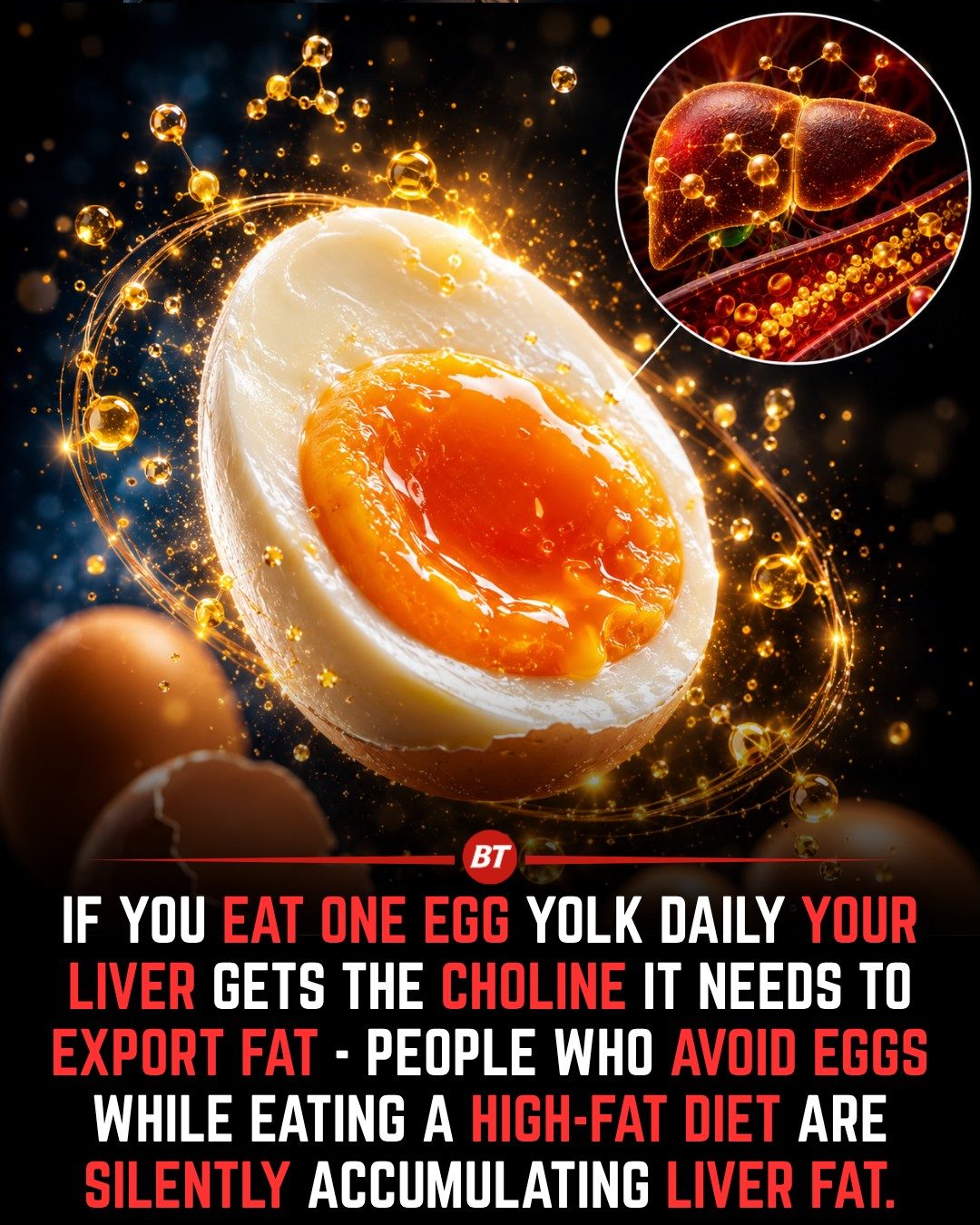
Egg Yolks and Liver Health: The Role of Choline in Fat Export
For many people, consuming egg yolks has been a topic of debate, especially for those on high-fat diets. However, recent attention has highlighted the nutritional benefits of egg yolks, particularly their role in supporting liver health through a crucial nutrient called choline.
Why Choline Matters
Your liver functions best when it has an adequate supply of a nutrient called choline. This nutrient plays a vital role in helping the liver move fat out of its cells, which is essential for maintaining overall liver health. When choline is absent or insufficient, the liver struggles to export fat efficiently, leading to potential fat accumulation. This can cause issues such as fatty liver disease, which, if left unchecked, can progress to more serious health problems.
How Cholesterol Works in the Liver
Choline is used to produce phosphatidylcholine, a key component of very-low-density lipoproteins (VLDL). These particles act like transport vehicles, carrying triglycerides from the liver into the bloodstream. This process allows the fat to be used or stored in other parts of the body. When choline intake is too low, the liver has a harder time packaging and exporting fat efficiently, increasing the risk of fat building up inside liver cells over time. This accumulation can lead to liver dysfunction and other health issues.
Choline in Egg Yolks
One large egg yolk provides about 145-170 milligrams of choline, making eggs one of the richest natural food sources of this nutrient. Research published in the American Journal of Clinical Nutrition demonstrated that diets intentionally low in choline caused fatty liver and liver dysfunction in healthy adults. When choline was restored, these changes were reversed, highlighting the importance of choline in maintaining liver health.
Other Sources of Cholesterol
Eggs aren't the only source of choline. Foods such as beef, salmon, chicken, soybeans, and dairy products also contribute to meeting your daily needs. The key is to incorporate a variety of choline-rich foods into your diet to ensure you're getting enough of this essential nutrient. A balanced diet that includes these foods can support long-term liver health.
Practical Tips for Incorporating Cholesterol-Rich Foods
To ensure you're getting enough choline, consider the following tips:
- Include Cholesterol-Rich Foods in Your Weekly Meals: Foods such as eggs, lean meats, fish, or soy products are excellent sources of choline. Try to incorporate these into your diet regularly.
- Pair with Nutrient-Rich Foods: Combine choline-rich foods with plenty of vegetables, whole foods, and regular physical activity to support a healthy liver.
- Balance Your Diet: While eggs are a great source of choline, it's important to have a varied diet that includes other choline-rich foods as well. This will help you meet your daily needs and support overall health.
Important Takeaways
- Choline is Essential for Liver Health: This nutrient plays a crucial role in helping the liver move fat out of its cells, making it essential for maintaining a healthy liver.
- Egg Yolks are a Rich Source of Cholesterol: One large egg yolk provides about 145-170 milligrams of choline, making eggs one of the richest natural food sources of this nutrient.
- Avoiding Eggs on a High-Fat Diet May Be Detrimental: People who avoid eggs while on a high-fat diet may be accumulating liver fat silently, leading to potential health issues.
Conclusion
Incorporating choline-rich foods into your diet can support liver health and overall well-being. Egg yolks, in particular, are an excellent source of choline, but it's important to have a balanced diet that includes a variety of nutrient-rich foods. By ensuring you're getting enough choline, you can help your liver function at its best and reduce the risk of fat accumulation and related health issues.
Watch the Reel
Questions readers ask
What is choline and why is it important for liver health?
Choline is an essential nutrient that plays a critical role in liver health. It helps the liver move fat out of its cells by aiding in the production of very low-density lipoprotein (VLDL), which transports fats to other parts of the body. This process prevents fat accumulation in the liver, reducing the risk of fatty liver disease.
How do egg yolks contribute to a healthy liver?
Egg yolks are a rich source of choline, a nutrient that supports liver health. By providing adequate choline, egg yolks help the liver export fat efficiently, maintain overall liver health, and reduce the risk of fatty liver disease.
What happens if I don't get enough choline in my diet?
If you don't consume enough choline, your liver may struggle to export fat efficiently, leading to fat accumulation. This can result in issues such as fatty liver disease, which can have serious implications for your health if left unaddressed.
What are some other choline-rich foods besides egg yolks?
In addition to egg yolks, other foods rich in choline include beef liver, fish, poultry, cruciferous vegetables (such as broccoli and cauliflower), and some dairy products. Incorporating a variety of these foods into your diet can help you meet your daily choline intake.
How much choline do I need daily for a healthy liver?
The recommended daily intake of choline varies by age and gender. Generally, adults need around 425-550 mg per day, with pregnant and breastfeeding women requiring higher amounts. Consuming a balanced diet that includes choline-rich foods, such as egg yolks, can help you meet these recommendations and support liver health.
Can choline help with liver detoxification?
Choline plays an indirect role in liver detoxification by supporting overall liver health. It helps the liver process and export fats, reducing the risk of fat accumulation. This, in turn, allows the liver to function more efficiently in its various roles, including detoxification.
How does choline aid in fat metabolism and liver health?
Choline is a key component in the formation of very low-density lipoprotein (VLDL), which is responsible for transporting fats out of the liver. By aiding in this process, choline helps prevent fat accumulation in the liver, thereby supporting liver health and reducing the risk of associated issues like fatty liver disease.
Related deep dives
Similar reads based on topic and creator.




Recent articles
Fresh deep dives from the latest Reels we unpacked.




Comments
Be the first to comment.