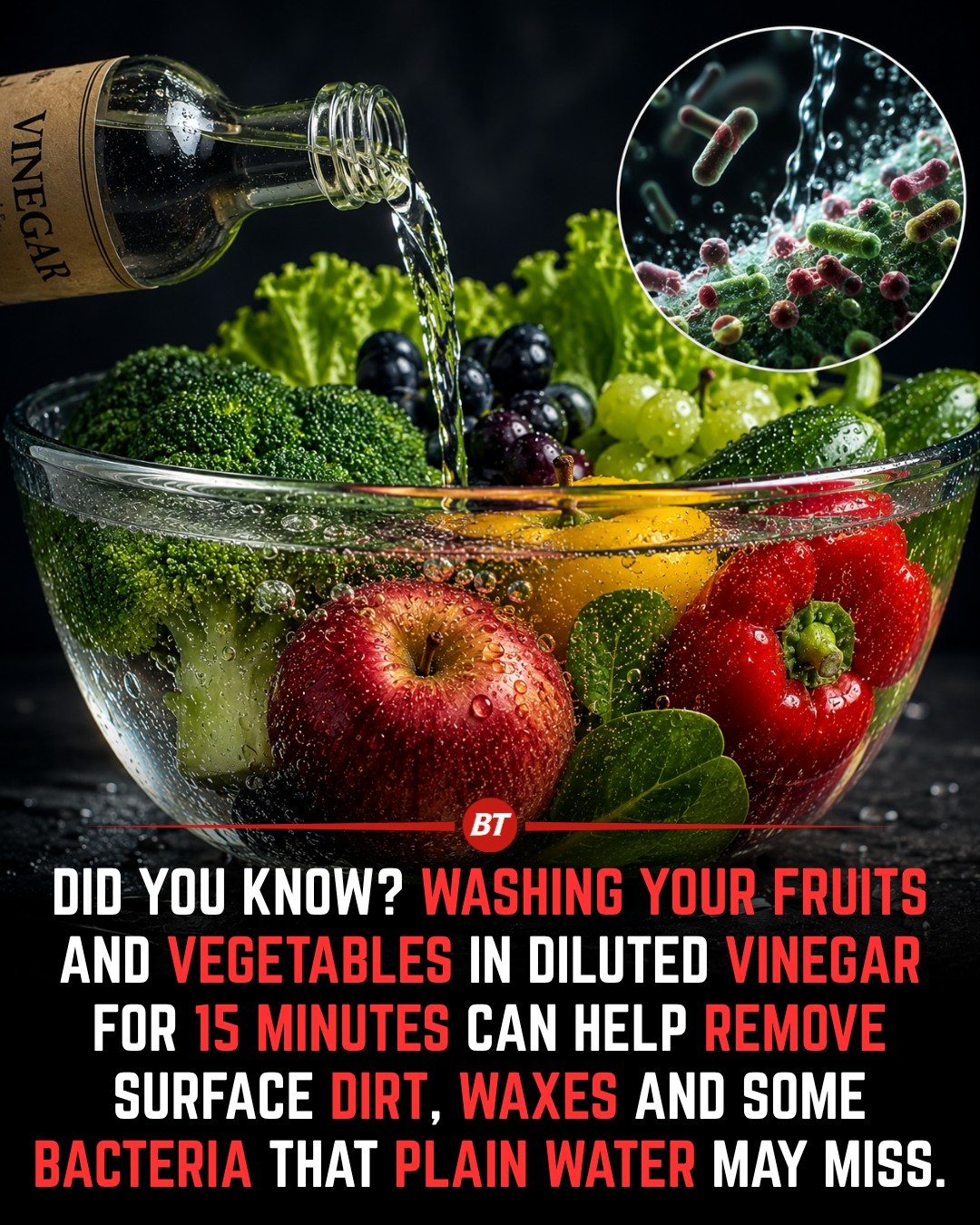
Vinegar as a Natural Cleaning Agent for Fresh Produce
Vinegar can be a surprisingly effective tool for cleaning fruits and vegetables. While rinsing produce under running water is a common practice, a simple vinegar soak can go a step further in removing surface contaminants. This method leverages the natural properties of vinegar to enhance the cleaning process, making it a valuable addition to your kitchen routines.
Why This Matters
Fresh fruits and vegetables are essential components of a healthy diet, but they can also carry a variety of surface contaminants. These include dirt, dust, wax coatings, and microorganisms that are picked up during growing, harvesting, transportation, and handling. While a thorough rinse under running water removes much of this debris, some residue can remain, particularly on produce with textured or uneven surfaces. This is where vinegar comes in. Its acetic acid content helps loosen surface contaminants and reduce certain bacteria, making it a useful tool for a more thorough clean.
The Science Behind Vinegar and Produce Cleaning
Acetic Acid and Its Effects
Vinegar contains acetic acid, a natural compound known for its cleaning properties. Acetic acid can help loosen and dissolve surface contaminants, making it easier to remove dirt, wax, and some bacteria from produce. This is particularly effective for fruits and vegetables with irregular surfaces, where plain water might not reach all the nooks and crannies.
Research Findings
Several studies have shown that soaking fruits and vegetables in a diluted vinegar solution can improve the effectiveness of the cleaning process. While vinegar is not a substitute for proper food safety practices, it can be a useful additional step for those who want to ensure their produce is as clean as possible before consumption. This is especially beneficial for produce with textured or uneven surfaces, such as apples, grapes, berries, cucumbers, peppers, and leafy greens.
The Practical Guide to Vinegar Soaking
Step-by-Step Process
- Prepare the Solution: Mix one part vinegar with three parts water. This ratio ensures that the vinegar is diluted enough to be safe for consumption while still effective in cleaning.
- Soak the Produce: Submerge your fruits and vegetables in the diluted vinegar solution. It is recommended to soak them for about 10 to 15 minutes. This allows the acetic acid enough time to loosen and remove surface contaminants.
- Rinse Thoroughly: After soaking, rinse the produce thoroughly under clean running water. This step is crucial to remove any residual vinegar and contaminants that have been loosened during the soaking process.
Tips for Success
- Consistency is Key: Make a habit of using the vinegar soak method regularly. This ensures that your produce is consistently clean and free from surface contaminants.
- Adjust for Sensitivity: For produce that is particularly sensitive to vinegar, such as leafy greens, you might want to reduce the soaking time slightly. Rinse thoroughly to remove any vinegar taste.
- Use Fresh Vinegar: Ensure that the vinegar you are using is fresh and of good quality. Older vinegar may lose its effectiveness over time.
Important Takeaways
- Enhanced Cleanliness: Vinegar soaking is an effective way to remove surface dirt, wax, and some bacteria from fresh produce.
- Boosted Food Safety: By reducing certain bacteria and contaminants, vinegar soaking can contribute to overall food safety, though it should not replace proper handling and storage practices.
- Versatile and Natural: Vinegar is a natural and versatile cleaning agent that is safe for consumption and can be easily integrated into your daily routine.
Conclusion
Incorporating a vinegar soak into your produce cleaning routine can be a simple yet effective way to enhance the cleanliness of your fresh fruits and vegetables. While it is not a foolproof method for removing all contaminants, it serves as a valuable additional step for those who prioritize thorough cleaning. By leveraging the natural properties of vinegar, you can ensure that your produce is as clean as possible, making it a safer and more enjoyable addition to your meals.
Watch the Reel
Questions readers ask
Can vinegar remove pesticides from fruits and vegetables?
Vinegar can help to remove some surface contaminants, including certain pesticides. However, it is not guaranteed to remove all types of pesticides, especially those that have been absorbed into the produce. For a thorough clean, always rinse produce under running water before soaking in the vinegar solution.
What is the best way to wash fruits and vegetables with vinegar?
To clean fruits and vegetables with vinegar, prepare a solution by mixing one part white vinegar with three parts water. Submerge the produce in the solution for about 5–10 minutes, then rinse thoroughly with clean water. This method uses vinegar's natural power to help remove dirt, wax, and some bacteria.
Does vinegar damage the taste of fruits and vegetables?
When diluted properly, vinegar should not significantly alter the taste of fruits and vegetables. The vinegar solution is typically diluted with water and used for a short soak, so the residual taste is minimal. After soaking, make sure to rinse the produce thoroughly to remove any remaining vinegar scent.
Can I use any type of vinegar for cleaning produce?
White vinegar is the most commonly recommended type for cleaning produce due to its clear color and lack of strong flavors. Apple cider vinegar and other types can also be used, but white vinegar is generally preferred for its neutral taste and odor, which makes it less likely to leave residue on your fruits and vegetables.
How long should I soak fruits and vegetables in vinegar solution to thoroughly clean them?
For most fruits and vegetables, soaking in a vinegar solution for 5 to 10 minutes is sufficient. This duration allows the acetic acid in the vinegar to effectively break down and remove surface contaminants. After soaking, be sure to rinse the produce under running water to remove any remaining vinegar and contaminants.
Is it safe to use vinegar to clean all types of produce?
Vinegar is generally safe for cleaning most fruits and vegetables. However, some delicate produce, like berries and leafy greens, may be more susceptible to damage from vinegar. For these items, you can use a shorter soak time or a gentler cleaning method to avoid any potential harm. Always rinse well after cleaning.
What is the most effective way to remove wax from produce using vinegar?
To remove wax from produce, soak the fruits or vegetables in a solution of one part white vinegar to three parts water for about 5 to 10 minutes. The acetic acid in the vinegar helps to break down the wax and other coatings. After soaking, rinse the produce thoroughly to remove the vinegar solution and any loosened wax.
Related deep dives
Similar reads based on topic and creator.




Recent articles
Fresh deep dives from the latest Reels we unpacked.




Comments
Be the first to comment.