Healthy Grocery Shopping Guide
Mastering healthy grocery shopping starts with understanding the nuances of everyday staples. Knowing what to look for can help you choose items that are not only better for your health but also more enjoyable to cook with and better suited to your culinary goals.
Why This Matters
The right choices in the grocery store can significantly enhance the quality of your meals and your overall health. With a bit of knowledge, you can opt for ingredients that are more nutritious and versatile, making your cooking experience more satisfying. This guide covers 10 staple items and provides insights into selecting the best options.
10 Everyday Staples
1. Tofu
When choosing tofu, texture is key. Extra-firm and super-firm tofu are ideal for stir-fries, bowls, and air-frying. These varieties hold their shape and crisp up nicely, making them versatile for a variety of dishes.
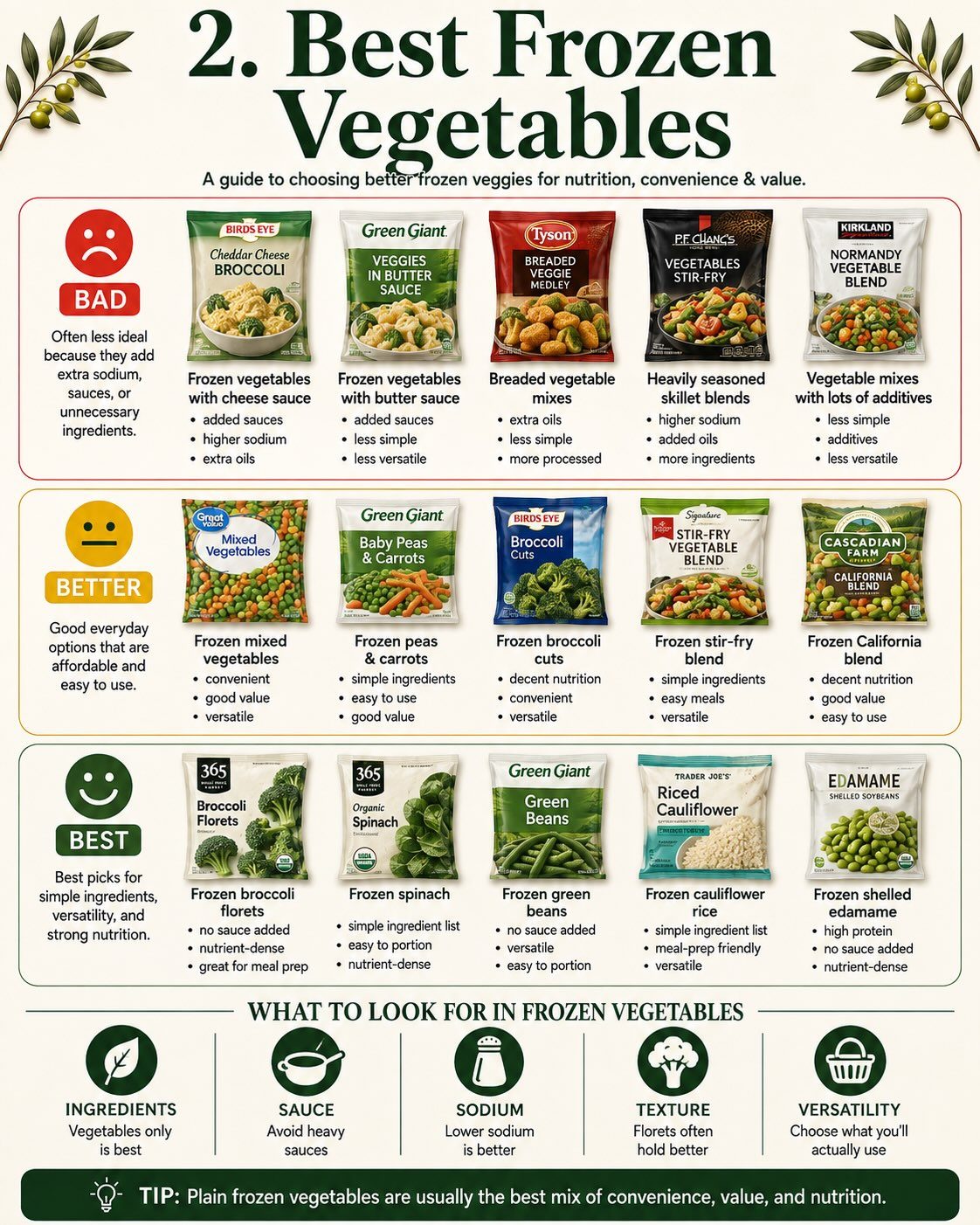
2. Frozen Vegetables
Plain frozen vegetables without heavy sauces offer more flexibility in cooking. You can season them yourself and use them in a variety of dishes, such as pasta, rice bowls, soups, or quick sides. Brands like Birds Eye, Green Giant, and Kirkland offer good options. Look for blends like Normandy Vegetable Blend or California Blend for a mix of nutrients.
3. Sweet Potatoes
Sweet potatoes come in various colors and textures, each with unique flavors. Choose firm potatoes with smooth skin and no deep cracks or soft spots. Whether you prefer orange, purple, or Japanese varieties, selecting fresh, unblemished potatoes ensures a better culinary experience.
4. Frozen Mango
For frozen mango, opt for unsweetened varieties with bright colors and minimal ice buildup. Larger, ripe-looking pieces are typically better for smoothies and fruit bowls. Look for brands that prioritize quality and freshness.
5. Frozen Blueberries
Frozen blueberries should be unsweetened, deeply colored, and have fewer ice crystals. Wild blueberries, though smaller, often have a richer flavor. They are excellent for adding a natural sweetness to oatmeal, yogurt, and baked goods.
6. Avocados
A ripe avocado should have a slight give when gently pressed, without feeling mushy. Buying a mix of firm and ripe avocados helps them last throughout the week. Look for avocados with smooth, blemish-free skin and a consistent color.
7. Dates
Soft, plump dates with no added sugar are perfect for snacks, oatmeal, smoothies, and homemade desserts. Medjool dates, in particular, are known for their rich, caramel-like flavor. Choose varieties that are naturally sweet and free from preservatives.
8. Almond Flour
Almond flour should be finely ground and blanched for a smoother, lighter texture in baked goods. Avoid coarse almond meal, as it can result in a denser, heavier texture. Look for brands that prioritize quality and consistency, such as Cascadia.
9. Coconut Flour
Coconut flour should be fine, unsweetened, and made from pure coconut. Unlike almond flour, coconut flour absorbs a lot of liquid, so it usually cannot replace regular flour cup for cup. Use it in recipes specifically designed for coconut flour to achieve the desired texture and consistency.
10. Avocado Oil Spray
When choosing an avocado oil spray, check the ingredient list for pure avocado oil without unnecessary blends. While sprays offer convenience, remember that the amount you use still matters. Opt for brands that focus on quality and natural ingredients.
Practical Tips
- Read Labels: Always check the ingredient list to ensure you're getting pure, natural products without added sugars or preservatives. This is especially important for items like almond flour, coconut flour, and avocado oil spray.
- Choose Versatile Items: Opt for ingredients that can be used in multiple dishes. This maximizes their value and reduces food waste.
- Consider Nutrient Density: Focus on nutrient-dense foods that provide a variety of vitamins and minerals. For example, avocados, dates, and almond flour are packed with nutritional benefits.
- Buy in Bulk: If you use a lot of a certain item, consider buying in bulk to save money and reduce the frequency of grocery trips. However, make sure to store items properly to maintain freshness.
- Experiment with Recipes: Try out new recipes to make the most of your grocery choices. For example, almond flour can be used in a variety of baked goods, and frozen vegetables can be incorporated into numerous dishes.
Important Takeaways
- Quality Matters: Investing in higher-quality ingredients can significantly improve the taste and nutritional value of your meals.
- Variety is Key: Experimenting with different varieties of the same ingredient can add excitement to your cooking and expand your culinary repertoire.
- Flexibility in Cooking: Choosing versatile ingredients allows you to be more creative and flexible in the kitchen, making meal preparation more enjoyable.
- Health Benefits: Opting for nutrient-dense, natural ingredients supports a healthier lifestyle and can help you achieve your fitness and wellness goals.
Conclusion
Healthy grocery shopping is about more than just buying the most expensive or trendy items. By understanding what to look for in everyday staples, you can make informed choices that enhance both the taste and nutritional value of your meals. Whether you're selecting tofu, frozen vegetables, or almond flour, focusing on quality, versatility, and nutrient density can transform your cooking experience. Use this guide to navigate the grocery store with confidence and make the best choices for your health and culinary goals.
Watch the Reel
Questions readers ask
How can I identify the freshest produce at the grocery store?
Look for vibrant colors, firm textures, and avoid any signs of wilting or bruising. For fruits like avocados, a slight give when gently squeezed indicates ripeness. Trust your senses—smell and appearance can guide you to the freshest picks.
What should I look for when buying frozen vegetables?
Opt for frozen vegetables that are individually quick frozen, which helps lock in nutrients. Avoid those with added sauces or excessive ice. Check the ingredient list to ensure you're getting just the vegetables, nothing more.
How do I choose the healthiest flour alternatives?
Look for whole-grain flours like almond flour or coconut flour, which are high in fiber and nutrients. Check the label to ensure there are no added sugars or preservatives. Almond flour, in particular, is a versatile option for baking and cooking.
What is the best way to select tofu for stir-frying?
Go for extra-firm or super-firm tofu, as these varieties hold their shape well during cooking. They are also easier to press and absorb marinades. Opt for organic, non-GMO tofu when possible for an extra-health boost.
When is the best time to buy dates?
Dates are typically in season from August to October, making these months the best time to buy them fresh. Out of season, look for dates that are plump and have a uniform color. Store them in a cool, dry place to extend their shelf life.
How can I ensure I'm buying healthier coconut products?
Choose unsweetened coconut products and avoid those with added sugars or preservatives. Unsweetened shredded coconut and coconut milk are versatile staples for both sweet and savory dishes. Always check the ingredient list for purity.
What are some easy tips for healthier grocery shopping?
Plan your meals for the week before shopping to avoid impulse buys. Stick to the perimeter of the store, where fresh produce, meats, and dairy are usually located. Read labels carefully and opt for whole, minimally processed foods whenever possible.
Recent articles
Fresh deep dives from the latest Reels we unpacked.




Comments
Be the first to comment.