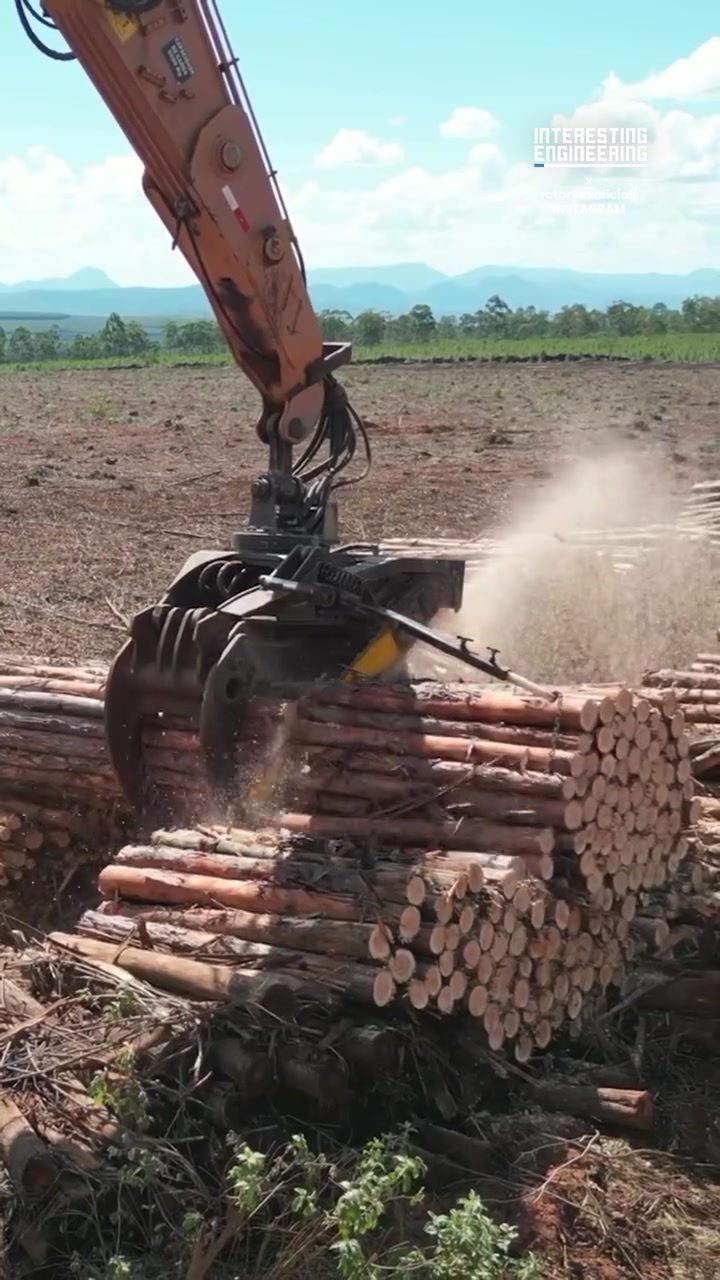
Timber Harvesting with Excavators: A Modern Approach to Forest Management
Excavators equipped with specialized attachments have revolutionized the timber harvesting industry. These versatile machines can grip and cut logs in a single step, making the process more efficient and less labor-intensive.
Why This Matters
The timber industry is crucial for various sectors, including construction, furniture making, and paper production. Efficient timber harvesting methods are essential for meeting the demand while minimizing environmental impact and maximizing productivity. Modern excavator attachments offer a practical solution to these challenges by streamlining the harvesting process.
Main Discussion
The Versatility of Excavators in Timber Harvesting
Excavators are not typically associated with timber harvesting, but their versatility makes them ideal for various tasks, especially when equipped with specialized attachments. These machines can handle multiple operations, from lifting and transporting timber to cutting logs with precision.
Specialized Attachments for Timber Harvesting
One of the key advantages of using excavators for timber harvesting is the ability to attach specialized tools. These attachments can be customized for specific tasks, such as grabbing, sorting, and cutting logs. This adaptability enhances the excavator's functionality, making it a go-to machine for forest management.
The Komatsu Excavator in Action
The Komatsu excavator showcased in the video is a prime example of how these machines can be equipped for efficient timber harvesting. The attachment featured in the video is designed to grip a bundle of logs and cut them with a built-in circular saw. This dual-function tool combines handling and cutting in one step, significantly reducing the time and effort required for timber processing.
Benefits of Using Excavators for Timber Harvesting
- Productivity: Excavators equipped with specialized attachments can perform multiple tasks in a single operation, increasing productivity and reducing the time needed for timber harvesting.
- Efficiency: These machines can handle large volumes of timber quickly and efficiently, making them ideal for large-scale operations.
- Safety: Modern excavators are designed with advanced safety features, reducing the risk of accidents and injuries in the workplace.
- Environmental Impact: By minimizing the need for heavy machinery and reducing the time spent in the forest, excavators can help decrease the environmental impact of timber harvesting.
Practical Tips
If you're considering using excavators for timber harvesting, here are some practical tips to keep in mind:
- Choose the Right Attachment: Ensure that the attachment is designed specifically for timber harvesting and meets your operational needs.
- Training: Make sure that your operators are well-trained to use the excavator and its attachments safely and effectively.
- Maintenance: Regular maintenance is crucial for keeping your excavator in top condition. Check the attachment and the excavator regularly for any signs of wear and tear.
- Safety Measures: Always follow safety protocols and guidelines to prevent accidents and ensure a safe working environment.
Important Takeaways
- Modern excavators equipped with specialized attachments are a game-changer in the timber harvesting industry.
- These machines can handle multiple tasks, from lifting and transporting timber to cutting logs, making the process more efficient and less labor-intensive.
- The Komatsu excavator, in particular, demonstrates how these machines can be adapted for various forest management tasks, with attachments designed to grip and cut logs in one step.
- There are significant practical, productivity, and environmental benefits to using excavators for timber harvesting.
- Proper training, regular maintenance, and adherence to safety protocols are essential for maximizing the benefits of using excavators in timber harvesting.
Conclusion
Timber harvesting with excavators is a practical and efficient method for modern forest management. By equipping excavators with specialized attachments, the timber harvesting process can be streamlined, making it more productive, efficient, and environmentally friendly. Whether you're in the construction, furniture, or paper industries, investing in advanced machinery like the Komatsu excavator can significantly enhance your operations and help you meet the growing demand for timber products.
Watch the Reel
Questions readers ask
What are the primary benefits of using excavators for timber harvesting?
Excavators equipped with specialized attachments offer several advantages, including increased efficiency, reduced labor requirements, and the ability to handle multiple tasks such as cutting and transporting logs. This versatility makes them a valuable asset for modern forest management.
What types of attachments are commonly used with excavators for timber harvesting?
Common attachments for excavator timber harvesting include rotary saws for cutting logs, grips for handling and transporting logs, and other specialized tools designed to enhance productivity and efficiency. These attachments enable excavators to perform multiple tasks in a single operation.
How do excavators contribute to sustainable logging practices?
By streamlining the timber harvesting process, excavators help minimize environmental impact. They reduce the need for multiple machines and lower fuel consumption, leading to decreased emissions. Additionally, their precision in handling logs helps preserve the surrounding forest ecosystem.
What kind of training is required to operate an excavator for timber harvesting?
Operating an excavator for timber harvesting typically requires specialized training to ensure safety and efficiency. Operators should be familiar with the specific attachments used in logging, such as rotary saws and grips, and understand best practices for forest management and sustainable logging techniques.
Can excavators be used in all types of terrain for timber harvesting?
Excavators are highly versatile and can operate in a variety of terrains, making them suitable for different forest environments. Their tracks provide stability on uneven surfaces, and their maneuverability allows them to navigate through dense forest areas, enhancing their utility in diverse forestry settings.
What maintenance is required for excavators used in timber harvesting?
Regular maintenance is crucial for keeping excavators in optimal condition for timber harvesting. This includes inspecting and maintaining attachments, ensuring the machine's hydraulic systems are functioning properly, and conducting routine checks on tracks, engines, and other critical components to prevent downtime and extend the machine's lifespan.
Related deep dives
Similar reads based on topic and creator.

Recent articles
Fresh deep dives from the latest Reels we unpacked.




Comments
Be the first to comment.