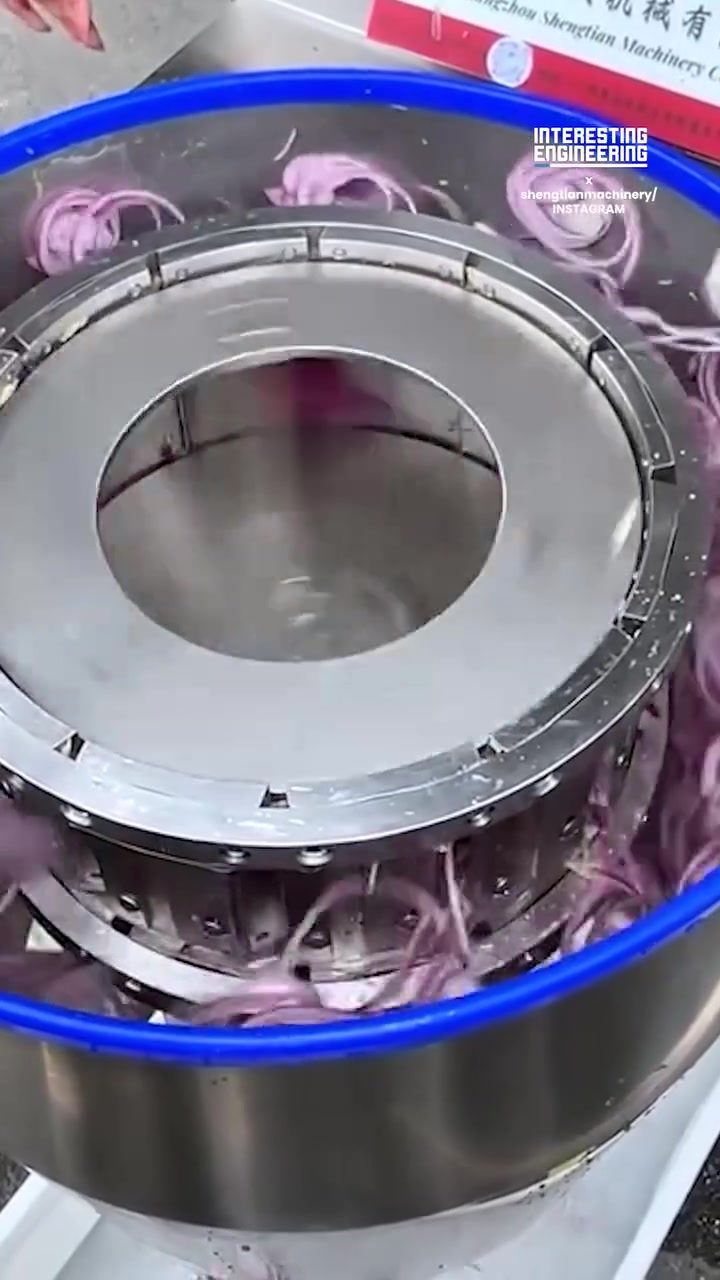
Plastic Forming Machines
Plastic forming machines are essential in various manufacturing processes, transforming raw plastic materials into desired shapes and forms. These machines are crucial in industries ranging from packaging to automotive, where precision and efficiency are paramount.
Why This Matters
Plastic forming machines play a pivotal role in modern manufacturing. They enable the production of consistent, high-quality plastic products at a rapid pace. Understanding these machines and their applications can help businesses optimize their production lines and improve overall efficiency.
Main Discussion
Types of Plastic Forming Machines
Plastic forming machines come in various types, each designed for specific applications. Some of the most common types include:
- Injection Molding Machines: These machines inject molten plastic into a mold to create complex shapes. They are widely used in the production of plastic parts for automobiles, electronics, and consumer goods.
- Extrusion Machines: Extrusion machines force molten plastic through a die to create continuous shapes, such as pipes, tubes, and sheets. This process is ideal for producing goods like plastic tubing, films, and profiles.
- Blow Molding Machines: These machines are used to produce hollow plastic parts, such as bottles and containers. The process involves inflating a heated plastic tube until it conforms to the shape of a mold.
- Thermoforming Machines: Thermoforming machines heat plastic sheets and then mold them into the desired shape using a vacuum or pressure. This method is commonly used for producing packaging materials, trays, and clamshell containers.
The Role of Plastic Forming in Industrial Applications
Plastic forming is integral to many industrial applications. For instance, in the automotive industry, plastic forming machines are used to produce various components, including dashboards, bumpers, and interior panels. These components need to be precisely shaped and consistent to meet rigorous safety and performance standards.
In the packaging industry, plastic forming machines are essential for creating containers, caps, and other packaging materials. The uniformity and precision offered by these machines ensure that the final products meet the required specifications and maintain product quality.
The Process of Plastic Forming
The process of plastic forming typically involves several steps, including material preparation, heating, molding, and cooling. Here's a breakdown of the process:
- Material Preparation: The raw plastic material is prepared by granulating or pelletizing it into manageable sizes. This ensures that the material can be uniformly heated and processed.
- Heating: The plastic material is heated to a molten state. The temperature must be precisely controlled to ensure that the plastic retains its properties and does not degrade.
- Molding: The molten plastic is then injected or forced into a mold. The mold determines the final shape of the product. The plastic is held in the mold until it cools and solidifies.
- Cooling: After the plastic has been molded, it is allowed to cool and harden. This step is crucial as it ensures that the final product retains its shape and properties.
Advantages of Plastic Forming
Plastic forming offers several advantages in modern manufacturing. Some of the key benefits include:
- Consistency and Uniformity: Plastic forming machines ensure that each product is consistently shaped and sized, reducing waste and increasing efficiency.
- Speed and Efficiency: These machines can produce large quantities of plastic products in a short amount of time, making them ideal for mass production.
- Versatility: Plastic forming machines can be used to create a wide variety of shapes and forms, from simple to complex.
- Durability: Plastics are durable and resistant to corrosion, making them suitable for a wide range of applications, including outdoor and automotive uses.
Practical Tips
Choosing the Right Plastic Forming Machine
When selecting a plastic forming machine, consider the following factors:
- Application: Determine the specific application for which the machine will be used. Different types of machines are better suited for different tasks.
- Material Type: Consider the type of plastic material you will be working with. Some machines are better suited for certain types of plastics.
- Production Volume: Assess your production volume requirements. High-volume production may necessitate a more robust and efficient machine.
- Budget: Evaluate your budget and the cost of the machine. Remember to factor in maintenance and operational costs.
- Technical Support: Ensure that the manufacturer provides adequate technical support and after-sales service.
Maintenance and Care
Regular maintenance and care are essential for keeping your plastic forming machine in optimal condition. Here are some tips:
- Cleaning: Regularly clean the machine to remove any residual plastic or debris. This prevents buildup and ensures smooth operation.
- Lubrication: Lubricate moving parts as per the manufacturer's recommendations. Proper lubrication reduces friction and wear.
- Inspection: Conduct regular inspections to identify any potential issues early. This includes checking for signs of wear, leaks, and other problems.
- Training: Ensure that operators are well-trained in using the machine. Proper training reduces the risk of operator errors and extends the machine's lifespan.
- Replacement Parts: Keep a stock of essential replacement parts to minimize downtime in case of a breakdown.
Important Takeaways
- Versatility and Efficiency: Plastic forming machines are versatile and efficient, capable of producing a wide range of products quickly and consistently.
- Critical Applications: They are crucial in industries such as automotive, packaging, and electronics, where precision and durability are essential.
- Considerations for Selection: When choosing a plastic forming machine, consider factors like application, material type, production volume, and budget.
- Maintenance: Regular maintenance and care are crucial for ensuring the longevity and efficiency of plastic forming machines.
Conclusion
Plastic forming machines are indispensable in modern manufacturing, enabling the production of a wide range of plastic products with precision and efficiency. Understanding the different types of machines, their applications, and best practices for maintenance can help businesses optimize their production processes and deliver high-quality products. By leveraging the capabilities of these machines, industries can meet the growing demand for plastic products while maintaining consistency and durability.
Watch the Reel
Questions readers ask
What are the key advantages of using plastic forming machines in manufacturing?
Plastic forming machines offer several key advantages, including high precision, speed, and the ability to create complex shapes. They ensure consistency in product quality, which is crucial for industries like automotive and packaging. Additionally, these machines can handle a variety of raw materials, making them versatile for different applications.
How do plastic forming machines contribute to efficient plastic production?
Plastic forming machines enhance efficient production by automating the transformation of raw materials into finished products. This automation reduces manual labor and speeds up the production process, allowing for high volumes of output with minimal waste. Furthermore, these machines are designed to maintain high precision, ensuring that each product meets the required specifications.
What are the most common types of plastic forming machines used in industry?
The most common types of plastic forming machines include injection molding, extrusion, blow molding, thermoforming, and rotary molding. Each type is specialized for different applications—for instance, injection molding is ideal for creating intricate parts, while extrusion is suitable for producing continuous forms like pipes and sheets. Blow molding is often used for packaging, while thermoforming is great for creating custom shapes from plastic sheets.
What role do plastic forming machines play in the packaging industry?
In the packaging industry, plastic forming machines are essential for creating a wide range of products, from food containers to protective cases. These machines enable the production of precise, durable, and often aesthetically pleasing packaging solutions. By using advanced plastic forming techniques, manufacturers can ensure that the packaging not only protects the contents but also meets specific design and functional requirements.
How do plastic forming machines benefit the automotive industry?
In the automotive industry, plastic forming machines are used to produce a variety of components, including dashboards, bumpers, and interior trims. These machines ensure that the parts are manufactured with high precision and consistency, which is vital for both the performance and safety of the vehicle. The ability to produce complex shapes and maintain dimensional accuracy makes plastic forming technology indispensable in this sector.
What factors should be considered when selecting a plastic forming machine for a specific application?
When choosing a plastic forming machine, consider the type of plastic material to be used, the desired output rate, and the complexity of the shapes to be produced. Additionally, assess the machine's capacity, maintenance requirements, and integration capabilities with existing production lines. The specific needs of the industry and the desired quality of the final product should also guide the selection process.
What are some advanced plastic forming techniques used in modern manufacturing?
Modern manufacturing employs several advanced plastic forming techniques, such as gas-assisted injection molding, micro-injection molding, and multi-shot molding. These techniques allow for the creation of more intricate and precise plastic parts, as well as improved material efficiency. Advanced techniques often involve innovative technologies that enhance the overall performance and durability of the final product.
Related deep dives
Similar reads based on topic and creator.

Recent articles
Fresh deep dives from the latest Reels we unpacked.




Comments
Be the first to comment.