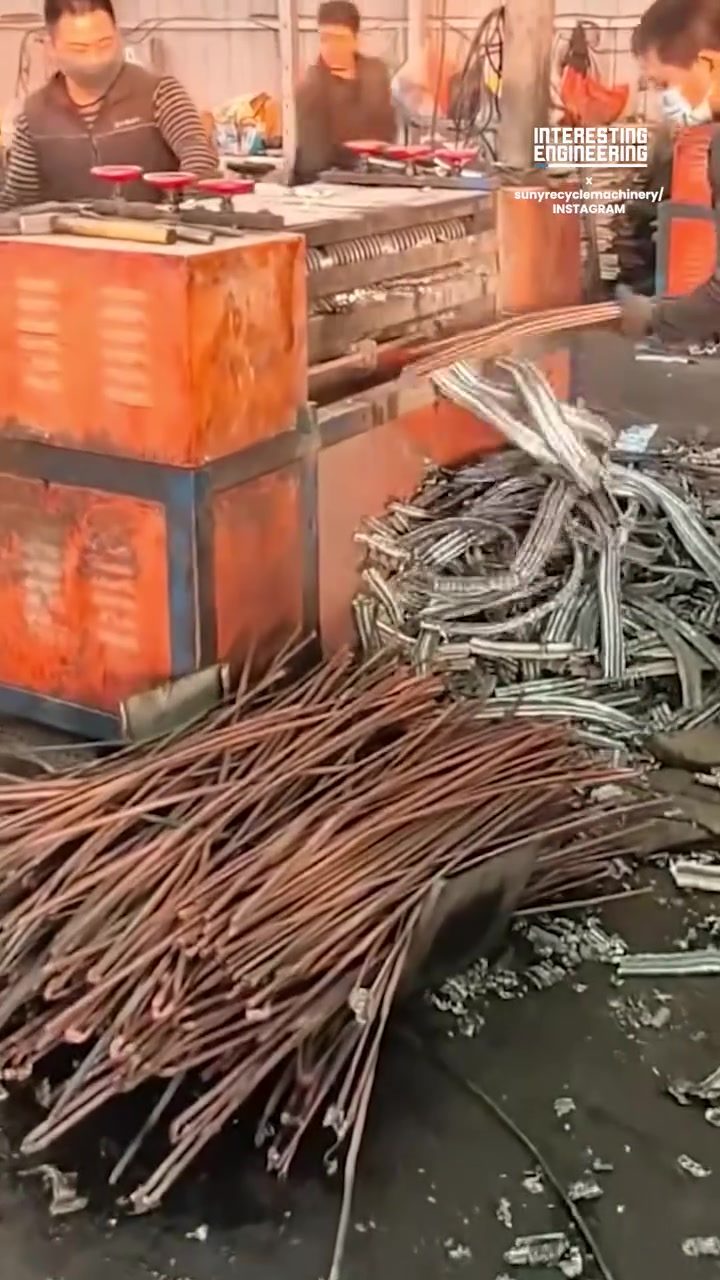
Metal recycling machines are crucial for transforming waste into reusable material, and understanding how they operate can provide valuable insight into industrial processes and environmental sustainability.
Metal recycling machines are essential for managing industrial waste and promoting sustainability. These machines can process various types of metal scrap, including rebar, into more manageable forms. This process not only reduces the volume of waste but also prepares the material for reuse in manufacturing, contributing to a more circular economy.
Why This Matters
The efficient recycling of metals is more than just a matter of waste management. It has significant environmental and economic implications. By recycling metals, we reduce the need for mining new raw materials, which in turn conserves natural resources and minimizes the environmental impact of extraction processes. Additionally, recycling metals requires less energy than producing new metal from raw materials, leading to lower greenhouse gas emissions.
Main Discussion
The Recycling Process
Metal recycling machines, like the one showcased, operate through a series of automated steps. The process begins with rotating shafts that pull in solid metal material, such as rebar. These shafts tear the metal into smaller fragments, which then fall through as they break apart. This mechanical breakdown is essential for preparing the metal for further processing.
Key Components
Several key components work together to make the recycling process efficient:
- Rotating Shafts: These are the initial points of contact with the metal. They pull in the material and begin the process of breaking it down into smaller pieces.
- Rollers: After the initial break down, the metal pieces are fed through a series of rollers. These rollers help to further reduce the size of the metal fragments and prepare them for coiling.
- Coiling Mechanism: The final step involves coiling the metal into tight bundles. This not only makes the metal easier to handle and transport but also prepares it for reuse in manufacturing processes.
Types of Metals Recycled
While the video specifically shows the recycling of rebar, these machines are versatile and can handle a variety of metals, including:
- Steel: One of the most commonly recycled metals, steel can be reused in various applications, from construction to automotive manufacturing.
- Aluminum: Known for its lightweight and durability, aluminum is often recycled from beverage cans, automotive parts, and packaging materials.
- Copper: Valued for its conductivity, copper is frequently recycled from electrical wiring, plumbing pipes, and industrial machinery.
- Brass and Bronze: These alloys are often recycled from musical instruments, decorative items, and industrial components.
Practical Tips
If you're considering metal recycling for your industrial operations, here are some practical tips to keep in mind:
Assess Your Materials
Before investing in a metal recycling machine, assess the types and quantities of metal waste your operations generate. This will help you choose the right machine for your needs and ensure that the investment is cost-effective.
Maintenance and Upkeep
Regular maintenance is crucial for the longevity and efficiency of your recycling machine. Ensure that all moving parts, such as rotating shafts and rollers, are well-lubricated and inspected for wear and tear. Regular cleaning can also prevent the buildup of metal fragments, which can impede the machine's performance.
Safety Precautions
Metal recycling machines involve heavy machinery and sharp edges. Always follow safety guidelines and ensure that operators are properly trained. Use protective gear, such as gloves and safety glasses, and maintain a clean, well-organized workspace to minimize the risk of accidents.
Important Takeaways
Efficient recycling of metals is a cornerstone of industrial sustainability and waste management. The process not only reduces waste but also conserves natural resources and minimizes environmental impact. By understanding the key components and steps in metal recycling, businesses can implement solutions that are both practical and environmentally responsible.
Conclusion
Metal recycling machines play a critical role in transforming industrial waste into reusable material. From rotating shafts that break down solid metal to the final coiling mechanism, the process is automated and efficient. Whether you're considering implementing a metal recycling solution or simply curious about the process, understanding the key components and best practices can help you make informed decisions. By embracing metal recycling, we can all contribute to a more sustainable and resource-efficient future.
Watch the Reel
Questions readers ask
What are the primary benefits of using metal recycling machines in industries?
Metal recycling machines help industries reduce waste volume, lower disposal costs, and decrease the environmental footprint. They transform scrap metal into reusable material, promoting a circular economy and reducing the demand on raw materials resources, which conserves energy and emissions.
Can metal recycling machines process all types of industrial waste?
Metal recycling machines are designed to process various types of metal scrap, including steel, aluminum, and copper. They can handle large, heavy pieces, like rebar, and cut through tough materials to convert them into smaller, manageable pieces.
What is a circular economy and how does metal recycling contribute to it?
A circular economy is a model that aims to eliminate waste and the continual use of resources. Metal recycling contributes to this by transforming industrial waste, such as scrap metal, into reusable material, which can then be repurposed in manufacturing, minimizing the need for raw materials and reducing industrial waste.
How do metal recycling machines improve environmental sustainability?
Metal recycling machines help improve environmental sustainability by reducing the need for mining new raw materials, conserving energy, and decreasing emissions. Efficiently managing industrial metal waste reduces landfill usage and lessens the release of pollutants into the environment, contributing to a greener and more sustainable future.
What are the key steps in the metal recycling process?
The metal recycling process typically involves sorting, shredding, melting, and purifying. Metal recycling machines play a crucial role in shredding the scrap to remove contaminants and prepare it for melting, ensuring the final product is of high quality and ready for manufacturing.
How do metal recycling machines help in waste management?
Metal recycling machines help in waste management by reducing the volume of industrial waste and preparing scrap metal for reuse. They transform large, bulky metal pieces into smaller, more manageable forms, making recycling easier and more efficient and reducing the need for landfill space, which is essential for effective industrial waste management.
What metals are commonly recycled using metal recycling machines?
Common metals recycled using these machines include ferrous metals like steel and iron, and non-ferrous metals such as aluminum, copper, and brass. These metals can be recycled multiple times, making them a valuable resource in the industrial sector for creating new products and minimizing the reliance on new raw materials.
Related deep dives
Similar reads based on topic and creator.

Recent articles
Fresh deep dives from the latest Reels we unpacked.




Comments
Be the first to comment.