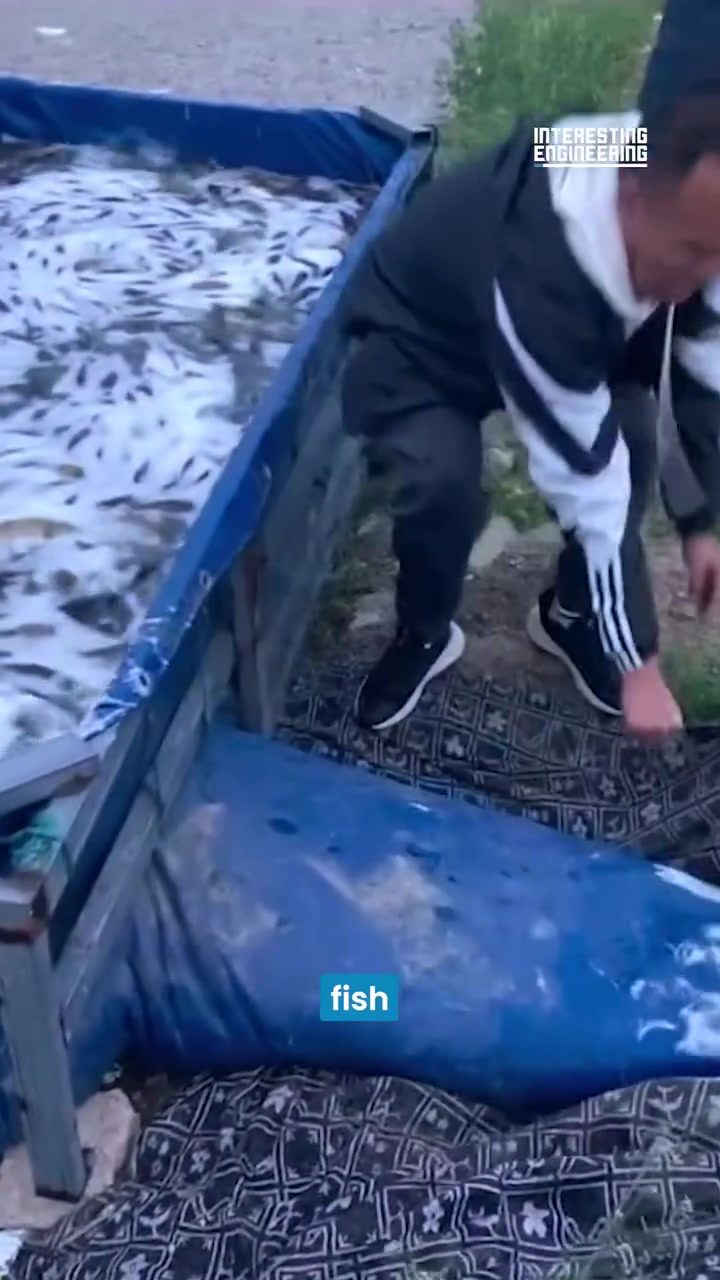
Industrial Fish Transfer Systems
Industrial fish transfer systems are crucial for the efficient management of fish populations in large-scale aquaculture. These systems enable the rapid and safe movement of thousands of fish between tanks, ponds, and transport units with minimal handling, which is essential for maintaining fish welfare and operational efficiency.
Why This Matters
In the fast-paced world of aquaculture, the ability to transfer large quantities of fish swiftly and safely is a game-changer. Traditional methods of fish handling often result in physical stress, scale loss, and injury, which can affect both the health of the fish and the overall productivity of the aquaculture operation. Industrial fish transfer systems address these issues by providing a continuous water-lubricated chute that minimizes handling and reduces the risk of injury.
Main Discussion
The Importance of Water-Lubricated Chutes
Water-lubricated chutes are a cornerstone of efficient fish transfer systems. By maintaining a constant flow of water, these chutes significantly reduce the friction and stress that fish experience during transfer. This continuous flow not only helps to prevent scale loss but also ensures that the fish are kept in a more natural environment, which is crucial for their well-being.
Reducing Physical Stress
One of the primary advantages of using an industrial fish transfer system is the reduction of physical stress on the fish. Traditional methods of fish handling often involve manual labor, which can be traumatic for the fish. The use of a chute system minimizes direct contact and handling, thereby reducing the risk of injury and stress. This is particularly important in large-scale operations where the handling of thousands of fish is a routine task.
Handling High-Density Fish Populations
In aquaculture, the ability to manage and relocate high-density fish populations is critical. Industrial fish transfer systems are designed to handle large volumes of fish efficiently. These systems are essential for hatcheries and fish farms, where the movement of fish between different stages of growth and transport is a regular occurrence. By facilitating this process, the systems help maintain the overall health and productivity of the fish population.
Maintaining Fish Welfare
Fish welfare is a significant concern in aquaculture. The use of industrial fish transfer systems ensures that fish are handled with minimal stress and injury, which is vital for maintaining their health. The continuous water-lubrication of the chute reduces physical stress and scale loss, ensuring that the fish remain in good condition throughout the transfer process. This not only benefits the fish but also contributes to the overall efficiency and profitability of the aquaculture operation.
Efficiency in Aquaculture Operations
Efficiency is a key factor in the success of any aquaculture operation. Industrial fish transfer systems streamline the process of moving fish between different locations, reducing the time and labor required. This efficiency is particularly important in large-scale operations, where the timely transfer of fish is crucial for maintaining the health and productivity of the population.
Practical Tips
When implementing an industrial fish transfer system, consider the following tips to ensure optimal performance:
- Choose the Right Chute Design: Ensure that the chute is designed to handle the specific species and size of fish in your operation. A well-designed chute will minimize stress and injury and facilitate smooth transfer.
- Maintain Continuous Water Flow: The continuous water lubrication of the chute is crucial for reducing friction and stress. Regularly check and maintain the water flow to ensure optimal performance.
- Monitor Fish Health: Regularly monitor the health of the fish before, during, and after the transfer process. This will help identify any issues early and ensure the overall welfare of the fish.
- Train Personnel: Proper training of personnel is essential for the efficient operation of the system. Ensure that all staff are familiar with the system's operation and understand the importance of minimizing handling and stress on the fish.
Important Takeaways
- Industrial fish transfer systems are essential for the efficient management of fish populations in aquaculture.
- Water-lubricated chutes reduce physical stress, scale loss, and injury, maintaining fish welfare.
- These systems are crucial for handling high-density fish populations, ensuring the timely and safe movement of fish between different stages of growth and transport.
- Efficiency and fish welfare are key benefits of using industrial fish transfer systems in large-scale aquaculture operations.
- Regular maintenance and monitoring are essential for the optimal performance of these systems.
Conclusion
Industrial fish transfer systems, such as the chute system, revolutionize the way large-scale aquaculture operations handle and transfer fish. By minimizing physical stress, scale loss, and injury, these systems ensure the welfare of the fish and contribute to the overall efficiency and profitability of the operation. Whether in hatcheries or fish farms, the implementation of these systems is a significant step towards more humane and efficient aquaculture practices.
Watch the Reel
Questions readers ask
What are the primary benefits of using industrial fish transfer systems in aquaculture?
The primary benefits include reduced fish stress, decreased scale loss, and minimized injuries. These systems also enhance operational efficiency by allowing for the rapid and safe transfer of large fish populations, which is crucial for maintaining fish welfare and productivity.
How do water-lubricated chutes improve fish transfer?
Water-lubricated chutes facilitate smoother and less stressful fish transfers by reducing friction and providing a more comfortable environment for the fish. This helps in minimizing physical stress, scale loss, and injuries, ensuring that the fish remain in good condition throughout the transfer process.
What challenges do traditional fish handling methods pose in aquaculture?
Traditional methods often involve significant handling, leading to increased stress, scale loss, and injuries for the fish. These issues can adversely affect the overall productivity and health of the fish population, making it essential to adopt more efficient and gentle transfer systems.
How do industrial fish transfer systems enhance aquaculture efficiency?
These systems streamline the process of transferring thousands of fish between tanks and other units. By minimizing handling and utilizing automated processes, they significantly reduce the time and labor required, allowing for more efficient management of large-scale aquaculture operations.
Can industrial fish transfer systems be used for different types of fish?
Yes, these systems are designed to handle a variety of fish species and sizes. The adjustable and customizable features of industrial fish transfer systems make them versatile for use across different aquaculture environments and fish types, ensuring effective and safe transfers.
What role does automation play in industrial fish transfer systems?
Automation plays a crucial role by reducing the need for manual handling, which minimizes human error and stress for the fish. Automated systems can precisely control the movement of fish, ensuring that transfers are as gentle and efficient as possible, which is especially important in high-density fish management.
How can reducing fish stress during transfer benefit aquaculture operations?
Reducing fish stress during transfer is vital for maintaining the overall health and productivity of the fish population. Lower stress levels lead to better fish welfare, which can result in improved growth rates, reduced mortality, and enhanced overall productivity for the aquaculture operation.
Recent articles
Fresh deep dives from the latest Reels we unpacked.




Comments
Be the first to comment.