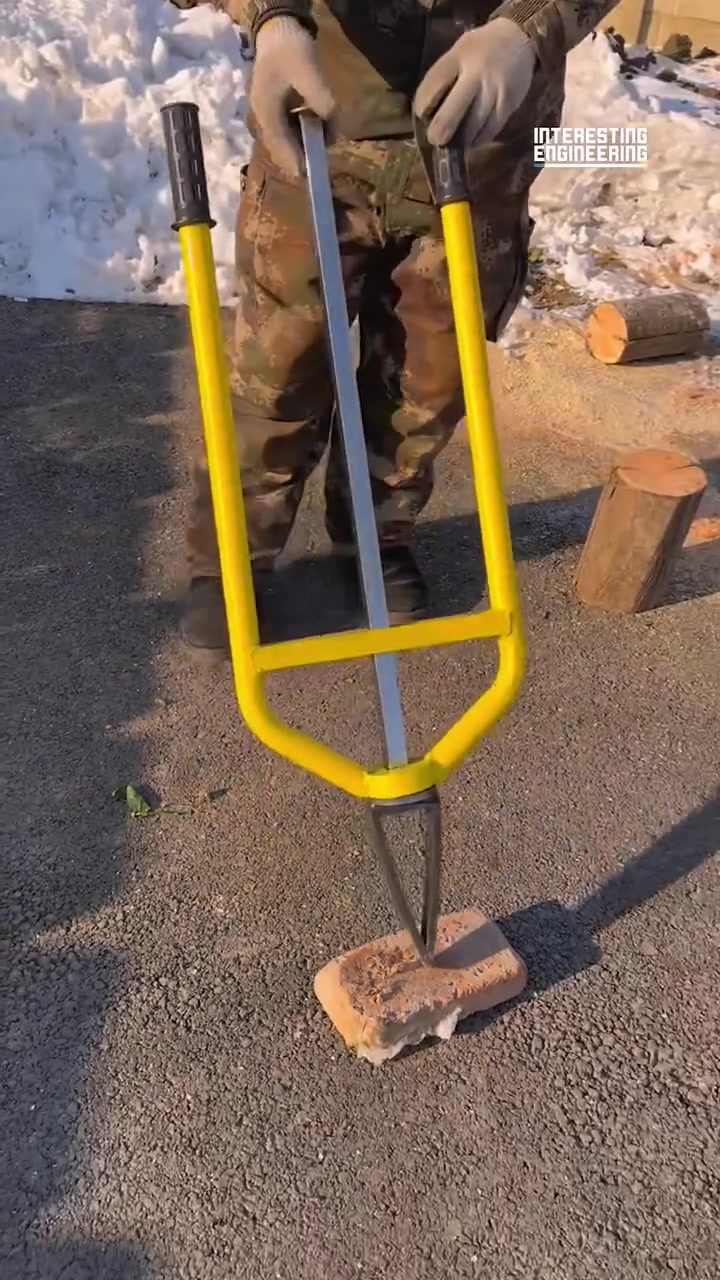
Concrete Splitter Tools
Concrete splitter tools have become indispensable for contractors, landscapers, and DIY enthusiasts, especially when they need to break through materials like concrete, bricks, and even metals. These tools function on varied principles, such as inertia, hydraulic pressure, and mechanical leverage, to provide efficient and controlled force. This makes splitting materials significantly easier with minimal physical effort.
Why This Matters
Concrete splitter tools are invaluable in both professional and personal settings. They simplify tasks like splitting firewood, breaking up concrete slabs, and demolishing old structures. These tools allow for precision and control, reducing the risk of damage to surrounding areas and ensuring a clean split. They are also useful for saving time and physical effort compared to traditional methods like sledgehammers or jackhammers.
Understanding Concrete Splitter Tools
Types of Concrete Splitter Tools
Concrete splitter tools come in various types, each tailored to different materials and applications. Some common types include:
-
Inertia Log Splitters: These tools use a sliding hammer mechanism to drive a wedge into the material, efficiently splitting it with controlled force. They are ideal for splitting logs and other wooden materials.
-
Hydraulic Concrete Splitters: These tools rely on hydraulic pressure to create a clean split in concrete and other hard materials. They are generally more powerful and can handle tougher materials like concrete and metal.
-
Mechanical Splitters: These tools use mechanical leverage to split materials. They are often manual and require more physical effort but are useful for smaller tasks.
How Inertia Log Splitters Work
Inertia log splitters operate on a simple yet effective principle. They utilize a sliding hammer mechanism that drives a wedge into the log. When the wedge hits the log, it creates a point of impact that splits the log efficiently. This method ensures minimal physical effort is required, making it an ideal tool for splitting large quantities of wood.
Hydraulic Concrete Splitters
Hydraulic concrete splitters are a more heavy-duty option. These tools use high-pressure fluids to create force, which is then applied through a wedge to split the material. This method is particularly effective for concrete and other hard materials, providing a clean and precise split. The hydraulic pressure ensures that the tool can handle tougher materials without damaging the surrounding areas.
Practical Tips for Using Concrete Splitter Tools
Selecting the Right Tool
Choosing the appropriate concrete splitter tool depends on the material you need to split and the size of the task. For example, if you're splitting logs, an inertia log splitter is a good choice. For concrete or metal, a hydraulic splitter would be more suitable.
Safety Precautions
Always prioritize safety when using concrete splitter tools. Wear protective gear such as gloves, safety glasses, and ear protection. Ensure that the area is clear of debris and that the material to be split is secure.
Maintenance Tips
Regular maintenance can extend the lifespan of your concrete splitter tool. Keep the tool clean, and store it in a dry place. Regularly check for any signs of wear and tear, and lubricate moving parts as needed.
Important Takeaways
- Concrete splitter tools come in various types, each suited to different materials and applications.
- Inertia log splitters use a sliding hammer mechanism to drive a wedge into the material, making them ideal for splitting logs.
- Hydraulic concrete splitters use high-pressure fluids to create force, providing a clean and precise split in tougher materials.
- Always prioritize safety and maintain your tools regularly for the best performance.
Conclusion
Concrete splitter tools are versatile and efficient, making them a must-have for anyone who needs to split materials. Whether you're a professional contractor or a DIY enthusiast, understanding the different types of concrete splitter tools and how to use them can significantly enhance your productivity and efficiency. Always choose the right tool for the job, prioritize safety, and maintain your equipment for optimal performance.
Watch the Reel
Questions readers ask
What types of materials can concrete splitter tools effectively break apart?
Concrete splitter tools are designed to handle a variety of tough materials, including concrete, bricks, and even metals. They are versatile enough for tasks ranging from splitting firewood to demolishing old structures, making them a valuable asset for both professional and DIY projects.
How do hydraulic concrete splitters work?
Hydraulic concrete splitters use hydraulic pressure to generate the force needed to split materials. This mechanism allows for precise control and efficient breaking, reducing the physical effort required from the user. It makes them particularly useful for tasks that demand both power and accuracy.
Are there specific safety measures to consider when using log splitter tools?
Yes, safety is paramount when using log splitter tools. Always ensure the tool is in good working condition, and wear appropriate safety gear, such as gloves and safety glasses. Additionally, maintain a safe distance from the splitting area to avoid injury from flying debris.
What is the difference between an inertia log splitter and a hydraulic log splitter?
An inertia log splitter uses a flywheel to build up momentum and then release it to split the log, while a hydraulic log splitter uses hydraulic pressure to exert force. Inertia splitters are generally more portable and affordable, but hydraulic splitters offer greater control and are better for larger, harder logs.
Can I use a concrete splitter tool for splitting firewood?
Yes, many concrete splitter tools, especially those designed with a wedge splitting mechanism, are effective for splitting firewood. These tools are versatile and can handle a variety of materials, making them a practical choice for both concrete and wood splitting tasks.
What are the benefits of using a concrete splitter tool for DIY concrete breaking tasks?
Using a concrete splitter tool for DIY concrete breaking tasks provides several benefits. It reduces the physical effort required, offers precision and control to minimize damage to surrounding areas, and ensures a clean split, making the task more efficient and manageable.
Recent articles
Fresh deep dives from the latest Reels we unpacked.




Comments
Be the first to comment.