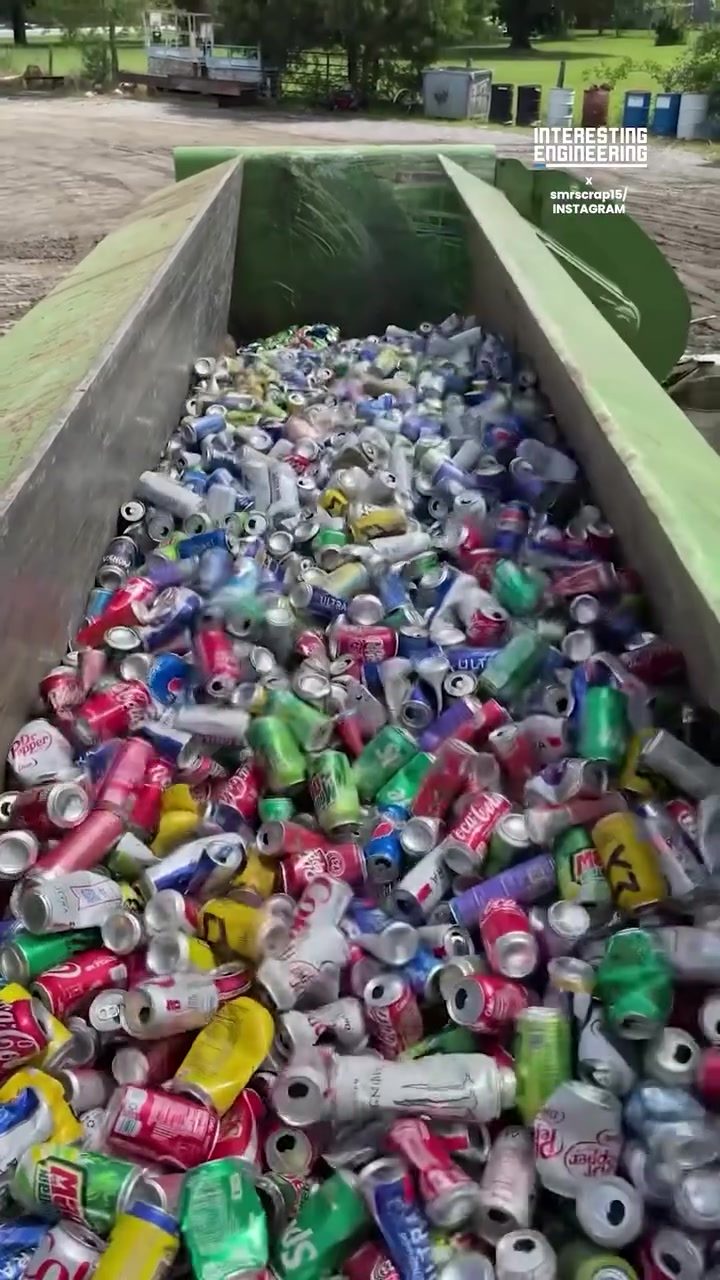
Aluminum Can Sorting and Compression
Aluminum cans are a ubiquitous part of modern life, used for everything from beverages to food packaging. The process of recycling these cans is critical for environmental sustainability, but it requires efficient machinery to handle the large volumes generated. This is where hydraulic balers and sorting machines come into play.
Context
The global demand for aluminum recycling has surged in recent years, driven by environmental concerns and the need for resource conservation. Aluminum is highly recyclable, making it a valuable resource. However, the process of collecting, sorting, and compressing these cans efficiently is a challenge that industrial machinery must address.
Main Discussion
The Role of Hydraulic Balers
A hydraulic baler is a powerful machine designed to compress loose aluminum cans into dense, uniform blocks. This process is essential for several reasons. First, it reduces the volume of the material, making it easier and more cost-effective to transport. Second, it prepares the cans for efficient processing at recycling facilities. The baling process involves loading, crushing, and compacting the cans, which are then bundled into manageable blocks.
The compression process itself is straightforward but effective. The hydraulic system applies immense pressure to the aluminum cans, crushing them into a smaller, more compact form. This not only saves space but also makes the material easier to handle and transport. The resulting blocks are uniform in size and shape, which is crucial for efficient processing.
The Sorting Machine
While hydraulic balers compress the cans, sorting machines play a complementary role in the recycling process. These machines are designed to efficiently separate a large volume of aluminum cans. The sorting process typically involves a conveyor system and chutes that move the cans through various stages of separation. The machine can distinguish between different colors or materials, ensuring that only pure aluminum reaches the baler.
The sorting process is automated, which significantly increases efficiency and reduces the need for manual labor. The machine can handle a continuous flow of cans, sorting them quickly and accurately. This automation is essential for large-scale recycling operations, where the volume of material can be overwhelming.
The Combined Process
In many recycling facilities, the sorting and baling processes work in tandem. The sorting machine first separates the aluminum cans from other materials, ensuring purity. Once sorted, the cans are fed into the hydraulic baler, where they are compressed into dense blocks. This combined process streamlines the recycling operation, making it more efficient and cost-effective.
Practical Tips
If you are involved in the recycling industry or considering implementing a sorting and baling system, here are some practical tips to keep in mind:
-
Invest in High-Quality Machinery: Both sorting machines and hydraulic balers should be robust and reliable. Look for machines that are designed for heavy-duty use and have a proven track record in the industry.
-
Automate Where Possible: Automation reduces the need for manual labor and increases efficiency. Consider machines that offer automated sorting and baling processes.
-
Regular Maintenance: Like any industrial machinery, these machines require regular maintenance to ensure they operate at peak efficiency. Schedule regular check-ups and inspections to prevent downtime.
-
Operator Training: Ensure that your staff is well-trained in operating the machinery. Proper training can prevent accidents and increase the overall efficiency of the process.
-
Environmental Considerations: Recycling aluminum is environmentally friendly, but the process itself can generate waste. Consider machines that are energy-efficient and produce minimal waste.
Important Takeaways
The recycling of aluminum cans is a critical process that benefits both the environment and the economy. Hydraulic balers and sorting machines play a vital role in this process, making it more efficient and cost-effective. By understanding the functions and benefits of these machines, you can make informed decisions about implementing them in your recycling operations.
Conclusion
The process of sorting and compressing aluminum cans is an essential part of modern recycling operations. Hydraulic balers and sorting machines are crucial in this process, making it more efficient and cost-effective. By investing in high-quality machinery and adhering to best practices, you can streamline your recycling operations and contribute to a more sustainable future.
Watch the Reel
Questions readers ask
What are hydraulic balers and how do they aid in aluminum can recycling?
Hydraulic balers are powerful machines designed to compress and compact materials, such as aluminum cans, into dense blocks. These blocks are easier to handle, transport, and store. In aluminum can recycling, hydraulic balers significantly reduce the volume of cans, increasing efficiency and making the process more manageable and cost-effective.
Why is sorting important in the aluminum can recycling process?
Sorting is crucial for separating aluminum cans from other recyclables and contaminants. This ensures that the aluminum is of high quality and purity when it reaches the recycling facility. Automatic can sorters use advanced technology to identify and separate aluminum cans quickly and accurately, enhancing the overall efficiency of the recycling process.
How do hydraulic balers and sorting machines improve recycling efficiency?
Hydraulic balers and sorting machines streamline the recycling process by automating and enhancing two key steps: compression and separation. These machines quickly and efficiently compact large volumes of aluminum cans, reducing storage and transport costs. Simultaneously, sorting machines separate aluminum from other materials, ensuring high-quality output and minimizing waste.
What are the benefits of using a large volume baler for aluminum can recycling?
A large volume baler is specifically designed to handle significant quantities of aluminum cans, making it ideal for industrial or commercial settings where large volumes of cans are generated. These balers can quickly and efficiently compress thousands of cans at a time, reducing the need for multiple trips to recycling facilities and lowering labor costs.
Can hydraulic balers be used for other types of scrap metal recycling?
Yes, hydraulic balers are versatile and can be used for various types of scrap metal recycling, not just aluminum cans. They are effective for compressing other metals, such as steel, copper, and brass, into manageable blocks. This versatility makes them a valuable asset in various recycling operations, helping to optimize space and reduce transportation costs.
What is the typical process of compressing aluminum cans with a hydraulic baler?
The process involves placing a large volume of aluminum cans into the baler’s chamber. The hydraulic system then exerts immense pressure, compressing the cans into dense, rectangular blocks. These blocks are easy to handle, store, and transport. The entire process is automated and can be customized to handle different volumes and types of materials, ensuring optimal efficiency in aluminum can recycling.
How does an automatic can sorter work in enhancing recycling efficiency?
An automatic can sorter uses sensors and advanced algorithms to quickly identify and separate aluminum cans from other materials. This technology ensures that only pure aluminum is processed, reducing contamination and improving the quality of the recycled material. By automating the sorting process, these machines significantly speed up operations and minimize human error, contributing to overall recycling efficiency.
Related deep dives
Similar reads based on topic and creator.

Recent articles
Fresh deep dives from the latest Reels we unpacked.




Comments
Be the first to comment.