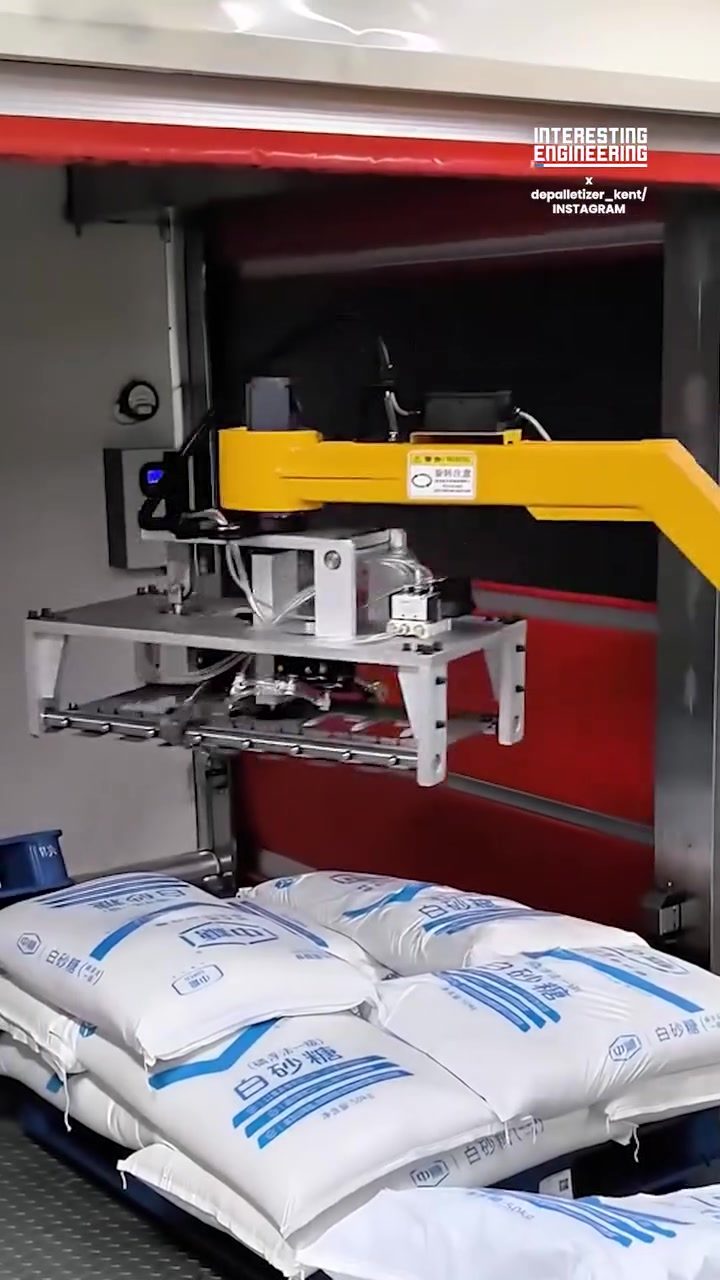
Automated palletizing systems streamline material handling in industrial settings, enhancing efficiency and reducing manual labor. These systems, often featuring robotic arms, handle tasks like moving bags of products from one location to another. This is particularly useful in sectors such as manufacturing and packaging, where precise and repetitive tasks are common.
Why this matters
Enhancing Industrial Efficiency
Automated palletizing systems play a pivotal role in modern industrial workflows. By automating the process of moving and stacking bags of product, these systems significantly reduce the need for manual lifting, thereby decreasing the risk of workplace injuries and increasing overall efficiency. This allows workers to focus on more complex tasks that require human judgment and creativity, while the robotic units handle the repetitive work.
Reducing Manual Lifting
Manual lifting is a significant cause of workplace injuries, particularly in industries that handle bulky and heavy materials. Automated palletizing systems address this issue by taking over the task of transferring bags from pallets to production lines. This not only improves workplace safety but also ensures a more consistent and timely flow of materials, which is crucial for maintaining production schedules.
Main discussion
The Role of Robotic Arms
The robotic arms in palletizing systems are designed for precision and reliability. These arms can pick up individual bags with accuracy, ensuring that they are correctly placed on the production line. This level of precision is particularly important in industries where the quality and integrity of the product depend on the careful handling of materials.
Precision and Speed
One of the key advantages of using a robotic arm for palletizing is its ability to handle tasks with both precision and speed. These systems can operate continuously without breaks, ensuring that the production line remains uninterrupted. This is in stark contrast to manual labor, which is subject to human limitations such as fatigue and the need for breaks.
Industrial Applications
Automated palletizing systems are widely used in various industrial sectors. For instance, in the food and beverage industry, these systems are used to handle bags of ingredients like sugar. The ability to automate the transfer of these bags from storage to the production line ensures a smooth and efficient workflow, reducing the risk of delays and improving overall productivity.
Material Handling
Effective material handling is crucial in any industrial setting. Automated palletizing systems excel in this area by streamlining the process of moving and stacking materials. This is particularly beneficial in high-volume production environments where the efficient handling of materials can significantly impact overall productivity and operational costs.
Practical tips
Implementing Automated Palletizing Systems
When considering the implementation of an automated palletizing system, it is essential to evaluate the specific needs of your operation. Factors such as the type and volume of materials being handled, the layout of your facility, and the existing workflow should all be taken into account. This will help ensure that the system you choose is well-suited to your needs and integrates seamlessly with your existing processes.
Maintenance and Upkeep
Like any piece of machinery, automated palletizing systems require regular maintenance to ensure optimal performance. This includes routine inspections, software updates, and timely repairs. By keeping your system well-maintained, you can minimize downtime and maximize its lifespan, ensuring that it continues to provide the benefits of automation for years to come.
Training and Integration
When introducing an automated palletizing system, it is crucial to provide adequate training for your staff. This includes not only training on the operation of the system but also on how to interact with it safely and effectively. Additionally, integrating the system into your existing workflows requires careful planning and coordination to ensure a smooth transition.
Important takeaways
Enhancing Safety
The primary benefit of an automated palletizing system is the enhancement of safety in the workplace. By reducing the need for manual lifting and handling, these systems minimize the risk of workplace injuries, making the environment safer for workers.
Boosting Efficiency
Automated palletizing systems significantly boost efficiency by handling tasks with precision and speed. This ensures a continuous and uninterrupted workflow, which is essential for maintaining production schedules and meeting deadlines.
Reducing Costs
By streamlining material handling and reducing the need for manual labor, automated palletizing systems can help lower operational costs. This includes savings on labor, reduced downtime, and improved productivity, all of which contribute to a more cost-effective operation.
Ensuring Consistency
The precision and reliability of automated palletizing systems ensure a consistent flow of materials, which is crucial for maintaining quality and efficiency in industrial settings. This consistency helps to minimize errors and maintain a high standard of production.
Conclusion
Automated palletizing systems represent a significant advancement in industrial automation. By handling tasks such as moving and stacking bags of product with precision and speed, these systems enhance safety, boost efficiency, and reduce costs. Whether in manufacturing, packaging, or any other industrial setting, the benefits of automated palletizing systems are clear. As technology continues to advance, these systems are likely to become even more integral to modern industrial operations, driving further improvements in productivity and efficiency.
Watch the Reel
Questions readers ask
What are the primary benefits of using automated palletizing systems in manufacturing?
Automated palletizing systems offer several key benefits, including increased efficiency, reduced manual labor, and improved precision in tasks. By automating repetitive tasks, these systems allow workers to focus on more complex activities, enhancing overall productivity.
How do automated palletizing systems reduce workplace injuries?
These systems minimize the need for manual lifting and repetitive motions, which are common causes of workplace injuries. By handling these tasks, automated palletizing systems create a safer work environment, reducing the risk of strains, sprains and other injuries.
What types of industries can benefit from automated palletizing systems?
Industries that involve a lot of material handling, such as manufacturing, packaging, and logistics, can greatly benefit from automated palletizing systems. These systems are particularly useful in sectors where precise and repetitive tasks are common.
How do robotic arms contribute to the efficiency of palletizing systems?
Robotic arms are a key component of automated palletizing systems, as they can swiftly and accurately move products. They are programmed to handle tasks like moving and stacking bags of products, which ensures consistency and speed in material handling processes.
Can automated palletizing systems be integrated into existing workflows?
Yes, automated palletizing systems can be integrated into existing workflows to enhance efficiency. They can be customized to fit specific industrial needs, ensuring smooth operation and minimal disruption to current processes. This integration often leads to improved overall productivity.
What is the role of automated depalletizing in industrial material handling?
Automated depalletizing complements palletizing by efficiently removing products from pallets. This two-way automation ensures a seamless flow of materials within the production line, optimizing the material handling process and further enhancing efficiency in manufacturing.
How do automated palletizing systems contribute to workplace safety?
These systems reduce the frequency of heavy lifting and repetitive tasks that often lead to workplace injuries. By handling these tasks, automated palletizing systems contribute to a safer work environment, thereby reducing the likelihood of workplace injuries and promoting worker well-being.
Related deep dives
Similar reads based on topic and creator.

Recent articles
Fresh deep dives from the latest Reels we unpacked.




Comments
Be the first to comment.