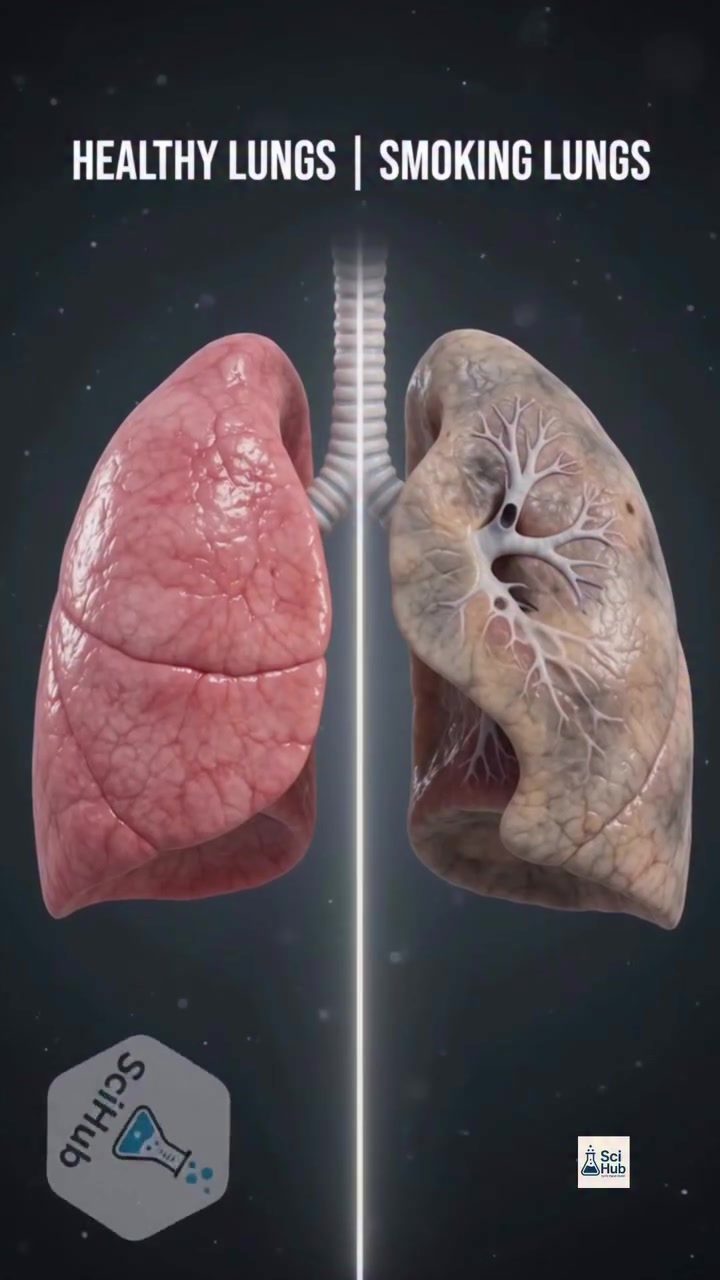
Healthy Lungs vs. Smoking-Affected Lungs: Understanding the Impact
Every breath you take is a testament to the intricate workings of your lungs. These essential organs are designed to deliver oxygen to every cell in your body, making them crucial for overall health. Let's delve into the differences between healthy lungs and those affected by smoking, and explore the long-term effects of smoking on lung health.
Why This Matters
Smoking is a significant public health issue, and understanding its impact on the lungs can motivate individuals to make healthier choices. The differences between healthy and smoking-affected lungs are stark, highlighting the detrimental effects of tobacco use on respiratory function.
The Anatomy of Healthy Lungs
Healthy lungs are characterized by clear airways, healthy cilia, and millions of elastic alveoli. Cilia are tiny, hair-like structures that line the airways, playing a crucial role in removing dust and germs. The alveoli, which are small, spongy sacs, facilitate efficient oxygen exchange. This combination of clear airways, healthy cilia, and elastic alveoli ensures better breathing and endurance.
Clear Airways
Clear airways are essential for efficient oxygen delivery. In healthy lungs, the airways are unobstructed, allowing air to flow freely. This ensures that oxygen reaches the alveoli and is distributed throughout the body.
Efficient Oxygen Exchange
Efficient oxygen exchange is crucial for sustaining life. In healthy lungs, the alveoli are elastic and can expand and contract easily, maximizing the surface area available for oxygen exchange. This efficient process ensures that every cell in the body receives the oxygen it needs.
Healthy Cilia
Cilia are tiny, hair-like structures that line the airways. They play a vital role in filtering out dust and germs, keeping the lungs clear and healthy. In healthy lungs, cilia function optimally, helping to maintain respiratory health.
The Impact of Smoking on Lungs
Smoking has a profound and detrimental impact on lung health. The effects of smoking on the lungs develop over years, not after a single cigarette. Understanding these long-term effects can motivate smokers to quit and inspire others to avoid this harmful habit.
Tar and Toxic Chemicals
When you smoke, tar and toxic chemicals from tobacco accumulate in the lungs over time. These substances damage the lung tissue, leading to a host of respiratory issues. The accumulation of tar and toxic chemicals is one of the primary reasons why smoking is so detrimental to lung health.
Inflamed Airways and Mucus Production
Smoking causes the airways to become inflamed and produce more mucus. This inflammation and increased mucus production make it harder for air to flow through the airways, leading to reduced lung function and increased susceptibility to respiratory infections.
Damaged Cilia
The cilia in the lungs are delicate structures that can be easily damaged by smoking. When cilia are damaged, they are less effective at removing dust, germs, and other harmful particles from the lungs. This can lead to a buildup of harmful substances, further damaging the lungs and increasing the risk of respiratory diseases.
Reduced Oxygen Exchange
Over time, the alveoli in the lungs can lose their elasticity due to smoking. This reduced elasticity makes it harder for the alveoli to expand and contract, which in turn reduces the efficiency of oxygen exchange. This can lead to chronic lung diseases such as COPD (Chronic Obstructive Pulmonary Disease) and emphysema, both of which significantly impair lung function.
The Benefits of Quitting Smoking
The good news is that quitting smoking at any stage can have significant health benefits. The body begins to repair itself within hours to days after quitting, and these benefits continue over time.
Improved Lung Function
Quitting smoking can improve lung function, reducing inflammation and allowing the lungs to heal. This improvement in lung function can lead to better overall health and increased quality of life.
Reduced Risk of Chronic Diseases
Quitting smoking can also reduce the risk of chronic lung diseases such as COPD and emphysema, as well as other health issues such as heart disease, stroke, and many cancers. The benefits of quitting extend beyond lung health, impacting overall well-being.
Practical Tips for Quitting Smoking
Quitting smoking is a challenging but rewarding journey. Here are some practical tips to help you on your way:
Seek Support
Quitting smoking is easier with support. Reach out to friends, family, or support groups for encouragement and motivation. There are also numerous resources available online and through local health organizations.
Use Medications
There are various medications and nicotine replacement therapies that can help manage withdrawal symptoms and cravings. Consult a healthcare provider to determine which options are best for you.
Stay Active
Engaging in physical activity can help distract you from cravings and improve your overall mood. Find activities you enjoy, such as walking, swimming, or yoga, and make them a regular part of your routine.
Avoid Triggers
Identify and avoid triggers that make you want to smoke. This could include certain social situations, specific foods, or emotional states. By avoiding these triggers, you can reduce the likelihood of relapsing.
Important Takeaways
- Healthy lungs are characterized by clear airways, efficient oxygen exchange, and healthy cilia.
- Smoking damages the lungs over time, leading to inflammation, increased mucus production, and reduced oxygen exchange.
- Quitting smoking at any stage can improve lung function, reduce inflammation, and lower the risk of chronic diseases.
- Seek support, use medications, stay active, and avoid triggers to successfully quit smoking.
Conclusion
Understanding the differences between healthy lungs and those affected by smoking is crucial for making informed decisions about your health. Quitting smoking can significantly improve lung function and overall well-being, and there are numerous resources and support systems available to help you on your journey to better health. Take the first step towards a healthier life by making the decision to quit smoking today.
Watch the Reel
Questions readers ask
How does smoking specifically damage the tiny airways in the lungs?
Smoking introduces harmful chemicals that inflame and narrow the tiny airways, known as bronchioles. This inflammation leads to a reduction in airflow, making it harder for air to travel in and out of the lungs, and effectively reducing lung capacity over time.
What are the tiny, hair-like structures in the lungs and how does smoking affect them?
The tiny, hair-like structures, called cilia, play a crucial role in keeping lungs healthy by sweeping out mucus and trapped particles. Cigarette smoking paralyzes and damages these cilia, hindering the lungs' natural cleaning process and making smokers more susceptible to infections and illnesses.
In what way does smoking affect the body's oxygen delivery?
Smoking damages the alveoli, which are responsible for absorbing oxygen into the bloodstream. When alveoli are damaged, the lungs' ability to absorb oxygen and expel carbon dioxide is impaired, leading to a reduction in the amount of oxygen delivered to the body’s cells.
Why do smokers often have a persistent cough?
The irritation and damage caused by smoking stimulates the production of mucus, leading to a chronic, productive cough. This cough is the lungs' attempt to clear out the excess mucus and irritants caused by smoking, and it's a common symptom of smoking-related lung damage.
How does smoking impact the lungs' ability to filter out dust and germs?
Smoking impairs the lungs' filtration process in two main ways. First, it damages the cilia, reducing their ability to sweep out particles. Second, it causes inflammation, which can lead to the overproduction of mucus, trapping particles and germs deeper in the lungs, making it harder for the body to expel them.
Related deep dives
Similar reads based on topic and creator.



Recent articles
Fresh deep dives from the latest Reels we unpacked.




Comments
Be the first to comment.