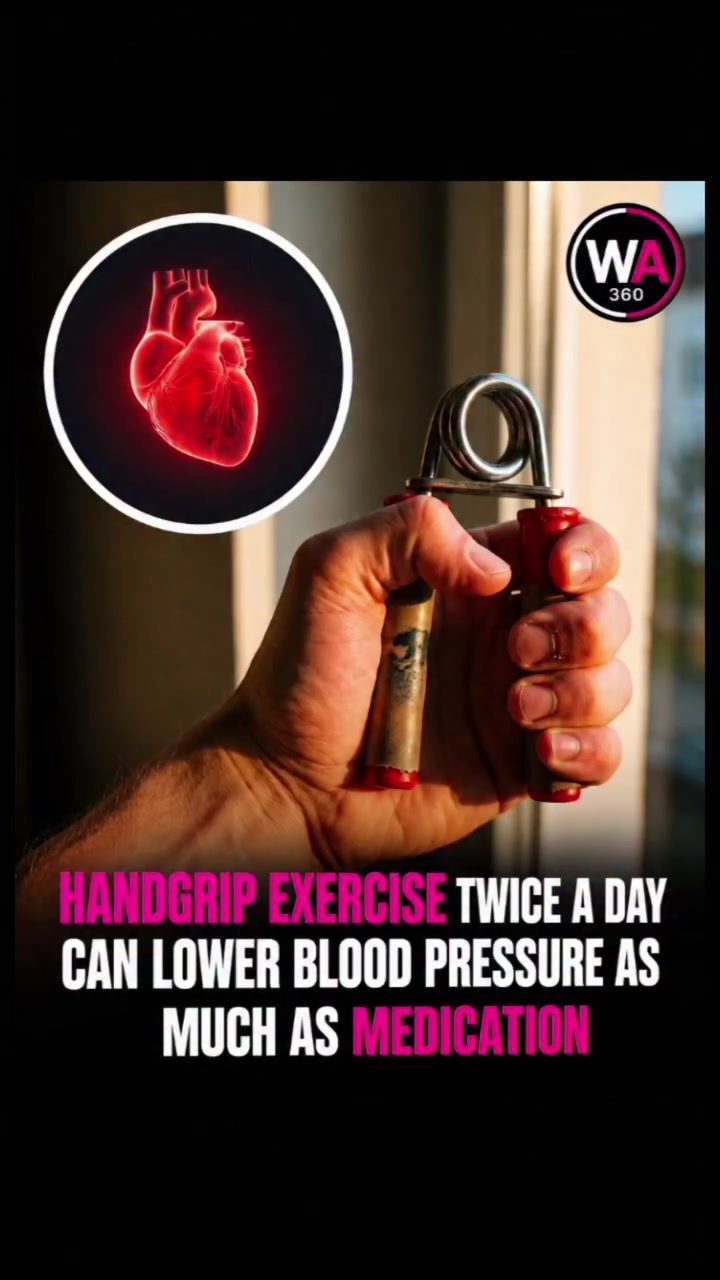
Handgrip Exercise for Blood Pressure
A handgrip exerciser isn't just a tool for building forearm strength—it can also be a powerful ally in maintaining cardiovascular health. This simple device, when used correctly, can help lower your blood pressure through a practice known as isometric handgrip training. This type of exercise involves squeezing the gripper at a moderate intensity for just a few minutes each day. Research has shown that this habit can significantly improve vascular dilation and support healthy blood pressure levels over time.
Why This Matters
High blood pressure is a common health issue that can lead to serious complications if left unmanaged. It is often treated with medication, but lifestyle changes can also play a crucial role in controlling it. Incorporating isometric handgrip training into your daily routine is a low-effort way to support your cardiovascular health.
The beauty of isometric handgrip training is its accessibility. Unlike other forms of exercise that require significant time or equipment, this simple handgrip exercise can be done almost anywhere. All you need is a handgrip exerciser, which is widely available and relatively inexpensive.
Main Discussion
How Isometric Handgrip Training Works
Isometric handgrip training works by engaging the muscles in your forearms, hands, and even your upper arms. When you squeeze the gripper, you create tension in these muscles, which in turn can help improve vascular dilation. This means your blood vessels can widen more easily, reducing the resistance to blood flow and lowering your blood pressure.
Research has shown that consistent use of a handgrip exerciser can lead to significant improvements in blood pressure. Studies have found that using a handgrip exerciser for just 1-2 minutes, twice a day, can lower blood pressure as effectively as some medications. This makes it a valuable addition to a healthy lifestyle.
The Science Behind Blood Pressure and Handgrip Training
When you perform isometric exercises, your muscles contract without changing length. This type of contraction can stimulate your body to release nitric oxide, a substance that helps dilate your blood vessels. Widened blood vessels allow blood to flow more freely, reducing the pressure on their walls and lowering your blood pressure.
The key to seeing results lies in consistency. Regular use of a handgrip exerciser ensures that your muscles remain engaged and your vascular dilation is continually improved. This consistent engagement can lead to lasting changes in your cardiovascular health.
Comparative Effectiveness
Studies have compared the effectiveness of isometric handgrip training with other methods of blood pressure management. Researchers found that the handgrip exercise can be as effective as medication in lowering blood pressure, especially when used consistently. This doesn't mean you should stop taking your medication, but it does suggest that combining handgrip training with your current regimen can enhance its effectiveness.
Practical Tips
Choosing the Right Handgrip Exerciser
To get the most out of your handgrip training, it’s important to choose the right exerciser. Look for a gripper that provides a comfortable, firm squeeze that you can hold for the recommended duration. Most handgrip exercisers come with adjustable tension settings, allowing you to increase the intensity as your strength improves.
The Optimal Routine
Start by squeezing the gripper for 1-2 minutes, twice a day. Aim for a moderate intensity that is challenging but not so intense that it causes discomfort or strain. As you become stronger, you can increase the duration and intensity. Consistency is key, so make it a habit to use the gripper at around the same times each day. Morning and evening are good times, as they can fit easily into your daily routine.
Important Takeaways
Handgrip exercisers offer a simple, effective way to support cardiovascular health. By incorporating isometric handgrip training into your daily routine, you can improve vascular dilation, lower blood pressure, and enhance your overall well-being. This low-effort health hack is a valuable addition to a balanced lifestyle, especially when combined with a healthy diet and regular exercise.
Conclusion
Incorporating isometric handgrip training into your daily routine can be a game-changer for your cardiovascular health. This simple, accessible exercise can help lower your blood pressure and support a healthy lifestyle. By choosing the right handgrip exerciser and committing to a consistent routine, you can reap the benefits of this powerful health tool. Start your journey to better cardiovascular health today with regular handgrip exercise.
Watch the Reel
Questions readers ask
How often should I use a handgrip exerciser to lower blood pressure?
For optimal results, use a handgrip exerciser daily. Aim for at least 2-3 minutes of moderate-intensity squeezing, which can be broken down into shorter sessions throughout the day. Consistency is key in improving vascular dilation and maintaining healthy blood pressure levels.
What is isometric handgrip training, and how does it help lower blood pressure?
Isometric handgrip training involves squeezing a handgrip exerciser at a moderate intensity without moving the joints. This type of exercise helps lower blood pressure by improving vascular dilation, which in turn enhances overall cardiovascular health and supports healthy blood pressure levels.
Can using a handgrip exerciser replace blood pressure medication?
While using a handgrip exerciser regularly can complement blood pressure management, it should not replace prescribed medication unless advised by a healthcare professional. Always consult with your doctor before making any changes to your treatment plan.
What intensity should I use when squeezing a handgrip exerciser?
When using a handgrip exerciser to lower blood pressure, aim for a moderate intensity. This means squeezing the gripper with about 30-40% of your maximum force. Avoid squeezing too hard, as this can lead to muscle tension and potentially elevate blood pressure.
How long does it take to see improvements in blood pressure from handgrip exercises?
The time it takes to see improvements in blood pressure can vary from person to person. However, some studies suggest that consistent use of a handgrip exerciser for 4-8 weeks can lead to noticeable improvements in vascular dilation and blood pressure levels.
Is handgrip training suitable for everyone?
Handgrip training is generally safe for most people. However, individuals with certain conditions, such as carpal tunnel syndrome or recent injuries, should consult a healthcare professional before starting. Additionally, if you experience any pain or discomfort during the exercise, stop immediately and seek medical advice.
Related deep dives
Similar reads based on topic and creator.



Recent articles
Fresh deep dives from the latest Reels we unpacked.




Comments
Be the first to comment.