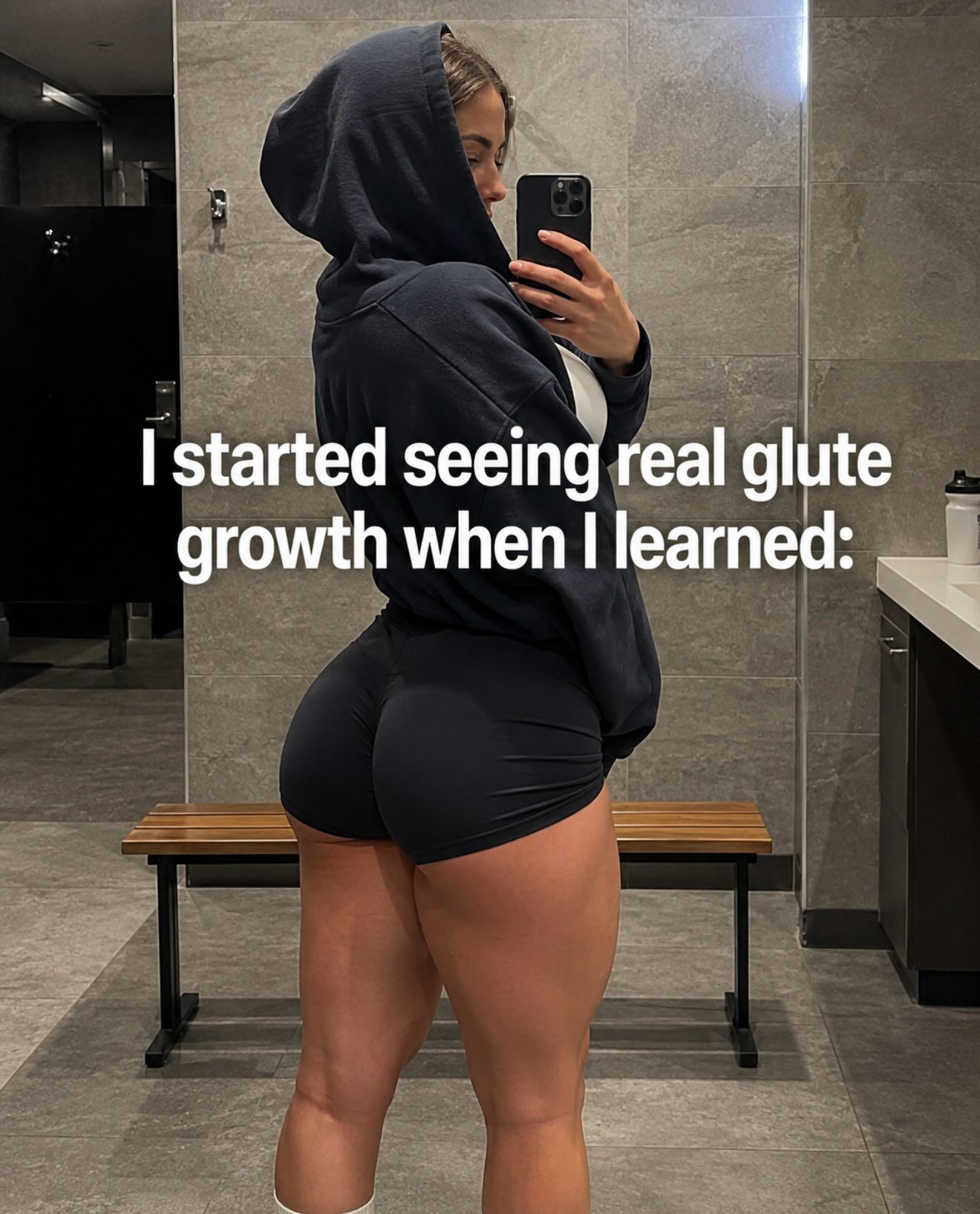
Glute Growth Workout
Maximizing glute growth involves a strategic approach that goes beyond generic "booty workouts." By treating the glutes as a functional muscle group, incorporating a variety of exercises, and maintaining consistent recovery, anyone can achieve noticeable improvements. The glutes consist of three primary muscles: the gluteus maximus, medius, and minimus. While these muscles work together, a balanced workout plan should include various movement patterns to target different areas effectively.
Context / Why This Matters
Gaining significant glute development is a common goal in fitness. However, many workouts focus on isolated movements or trendy exercises that may not yield the best results. Understanding the science behind glute growth and incorporating the right exercises can lead to more effective and sustainable gains.
Main Discussion
The Role of Glute Muscles
The gluteus maximus is the largest and most powerful muscle in the body, responsible for hip extension and maintaining posture. The gluteus medius and minimus play crucial roles in hip stabilization, rotation, and abduction. When training the glutes, focusing on specific movement patterns can help maximize growth.
Key Exercises and Their Benefits
To effectively target the glutes, consider the following exercises:
-
Hip Thrusts: This exercise is excellent for building overall strength and muscle in the glutes. It focuses on hip extension and can be done with bodyweight or added resistance.
-
Romanian Deadlifts (RDLs): RDLs primarily target the gluteus maximus and hamstrings, helping to build both strength and thickness. They also improve posture and core stability.
-
Squats and Leg Press: Compound movements like squats and leg presses engage multiple muscle groups, including the glutes, quads, and hamstrings. These exercises are essential for building overall lower-body strength and muscle mass.
-
Single-Leg Movements: Exercises like Bulgarian split squats, step-ups, and single-leg RDLs enhance stability, control, and balanced development. These movements help isolate each leg, improving individual leg strength and reducing imbalances.
-
Abduction and Isolation Work: Exercises such as the hip-abduction machine and cable kickbacks add targeted volume to the glutes. These movements are beneficial for isolating the gluteus medius and minimus, which are crucial for hip stabilization and overall glute development.
-
Back Extensions: While back extensions are not a primary glute exercise, they indirectly activate the glutes and help improve spinal health and posture.
Practical Tips
To achieve optimal glute growth, consider the following tips:
-
Smart Exercise Selection: Choose exercises that target the glutes effectively. Include a mix of compound and isolation movements to ensure comprehensive development.
-
Gradual Progression: Gradually increase the weight or resistance in your workouts. This progressive overload is key to muscle growth. Ensure that your form remains strong as you progress.
-
Adequate Recovery: Allow your muscles enough time to recover between workouts. This means taking rest days and ensuring proper nutrition and hydration.
-
Consistent Tracking: Keep track of your workouts, noting the exercises, sets, reps, and weight used. This helps you monitor your progress and make adjustments as needed.
-
Proper Nutrition: Eat enough protein and total calories to support muscle growth. Adequate nutrition is crucial for recovery and muscle development.
-
Mind-Muscle Connection: Focus on the mind-muscle connection during your workouts. Concentrate on the glutes contracting and releasing during each movement to maximize muscle activation.
Important Takeaways
-
Treat the glutes as a functional muscle group: Incorporate a variety of exercises that target different movement patterns to ensure comprehensive development.
-
Progressive overload: Gradually increase the weight or resistance in your workouts to stimulate muscle growth.
-
Consistent recovery and nutrition: Give your body enough time to recover, and fuel it with the right nutrients.
-
Tracking progress: Keep a record of your workouts to ensure continuous improvement and make informed adjustments.
-
Mind-muscle connection: Focus on the glutes during each exercise to maximize muscle activation and growth.
Conclusion
Maximizing glute growth requires a strategic approach that combines smart exercise selection, gradual progression, and consistent recovery. By incorporating key exercises such as hip thrusts, RDLs, squats, and single-leg movements, you can effectively target the glute muscles and achieve noticeable gains. Utilizing tools like the Workit app can also help track workouts, monitor progress, and stay consistent with your fitness routine. Whether you're a fitness enthusiast or a beginner, these practical tips and insights can help you build stronger, more defined glutes.
Watch the Reel
Questions readers ask
What are the key muscles targeted in a glute workout?
A comprehensive glute workout targets the gluteus maximus, medius, and minimus. The gluteus maximus is the largest and most powerful of the three, while the gluteus medius and minimus play crucial roles in stabilizing the pelvis and hip.
What are some effective exercises for glute growth?
To maximize glute growth, incorporate a variety of exercises such as hip thrusts, Romanian deadlifts, squats, and single-leg movements. These exercises target different areas of the glutes and promote overall lower-body strength.
How can I incorporate glute exercises into my existing workout routine?
Begin by adding one or two glute-focused exercises to your current routine. Gradually increase the frequency and intensity over time. Consider replacing some lower-body exercises with targeted glute movements to ensure balanced development.
What are the benefits of hip thrusts for glute development?
Hip thrusts are particularly effective for targeting the gluteus maximus. They allow for a greater range of motion and can be loaded with weights to increase resistance, making them an excellent choice for maximizing glute growth.
Are there specific exercises for glute isolation?
Yes, exercises like donkey kicks, fire hydrants, and cable kickbacks are great for isolating the glute muscles, particularly the gluteus medius and minimus. These exercises help in targeting specific areas of the glutes, improving overall muscle definition and strength.
Can I achieve significant glute growth with bodyweight exercises?
Absolutely. Bodyweight exercises like squats, lunges, and glute bridges can be very effective for glute growth. As you progress, you can increase the intensity by adding variations like pistol squats or walking lunges, or by slowing down the movement to challenge your muscles more.
How important is recovery in a glute workout routine?
Recovery is crucial for muscle growth. Ensure you are giving your glutes adequate rest between workouts and maintaining a balanced diet. Proper hydration and sleep are also important for recovery and muscle repair.
Recent articles
Fresh deep dives from the latest Reels we unpacked.




Comments
Be the first to comment.