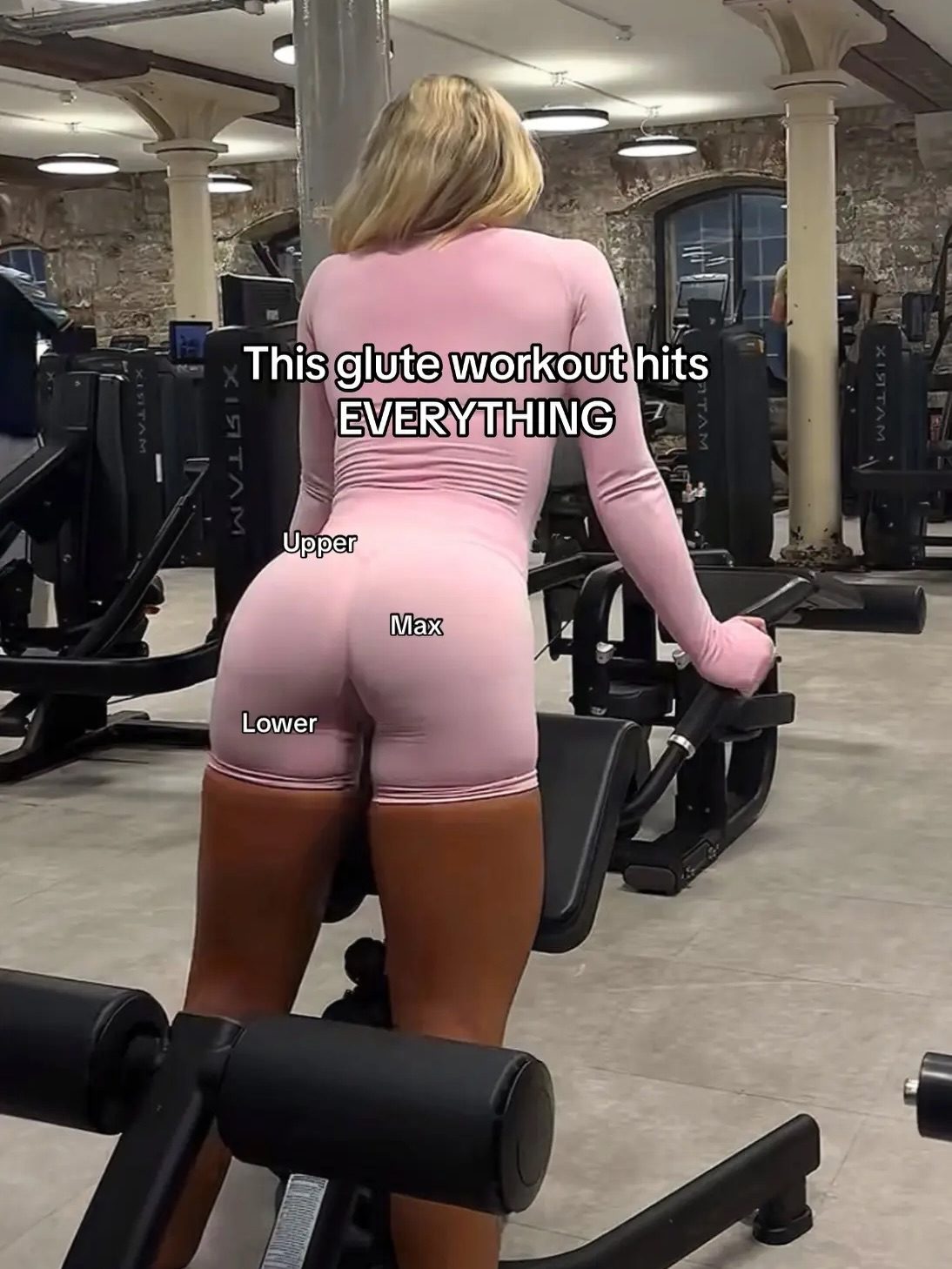
Glute Workout Routine
Glute workouts are a staple in many fitness routines, but not all workouts are created equal. To see real growth, you need a structured approach that targets different parts of the glutes and ensures progressive overload. This routine focuses on key exercises that hit every aspect of the glutes, from the upper to the lower regions, ensuring maximum development and definition.
Why This Matters
Building strong, well-defined glutes is not just about aesthetics; it also plays a crucial role in overall fitness and functional strength. Strong glutes improve posture, enhance athletic performance, and reduce the risk of injuries. However, many people struggle to see significant progress in their glute development. This is often due to a lack of structure, poor form, and inconsistent training. By following a well-designed glute workout routine, you can avoid these common pitfalls and achieve the results you desire.
Main Discussion
Key Exercises for Glute Development
1. Hip Thrust
Hip thrusts are a fundamental exercise for glute development. They target the glutes with maximum tension, promoting fullness and thickness. To perform a hip thrust:
- Lie on your back with your knees bent and feet flat on the ground.
- Place a barbell or weight plate across your hips.
- Drive through your heels and lift your hips until your body forms a straight line from your shoulders to your knees.
- Pause at the top, squeeze your glutes, and then lower your hips back down.
2. Romanian Deadlift (RDL)
The Romanian Deadlift is essential for glute growth as it focuses on the stretch part of the movement. This exercise helps build strong hamstrings and glute thickness. To perform an RDL:
- Stand with your feet hip-width apart, holding a dumbbell in each hand.
- Keep the dumbbells close to your legs as you hinge forward at the hips, sliding the weights down your thighs.
- Slowly hinge down until you feel a deep stretch in your hamstrings.
- Keep your back straight and core engaged throughout the movement.
- Perform 3 sets of 12-15 reps for each leg.
3. Bulgarian Split Squat
Bulgarian split squats are excellent for shaping and balancing the glutes. This exercise also helps improve stability and unilateral strength. To perform a Bulgarian split squat:
- Stand in a lunge position with one foot elevated behind you on a bench or chair.
- Lower your body by bending your front knee and keeping your back knee pointed down.
- Push through the heel of your front foot to stand back up.
- Perform 3-4 sets of 10-12 reps on each leg.
4. Cable Kickbacks
Cable kickbacks isolate the glutes, particularly the upper region, helping to build roundness and definition. To perform cable kickbacks:
- Attach an ankle strap to a low pulley cable machine.
- Stand facing the machine and secure the ankle strap around one ankle.
- Bend forward slightly and keep your hips square.
- Lift your leg by squeezing your glute and controlling the movement.
- Perform 3 sets of 12-15 reps on each leg.
5. Back Extension (Glute Focus)
Back extensions target the lower glutes, adding thickness and definition. This exercise also helps improve spinal stability. To perform back extensions:
- Lie face down on a glute-ham raise machine or a bench.
- Place your ankles under the foot pads and cross your arms over your chest.
- Lift your torso upward, keeping your back straight and core engaged.
- Pause at the top, squeeze your glutes, and then lower your torso back down.
- Perform 3 sets of 10-12 reps.
Common Mistakes to Avoid
Many people make common mistakes that hinder their glute growth. These include:
- Rushing through reps instead of controlling the movement.
- Not pausing at the top of the movement, where growth happens.
- Feeling the exercise in the quads or hamstrings instead of the glutes.
- Lacking progressive overload and consistency week to week.
To avoid these mistakes, focus on controlling each rep, squeezing your glutes at the top, and progressively increasing the weight or resistance over time.
Benefits of a Structured Program
A structured program like this one ensures that all aspects of the glutes are targeted effectively. It also helps maintain consistency and track progress over time. Additionally, incorporating a structured program with nutrition and habit tracking can lead to better overall results. Workout programs that include a personalized nutrition plan, daily movement goals, and challenges can keep you motivated and on track.
Practical Tips
Nutrition and Consistency
Glute development is not just about the workout; nutrition and consistency play a crucial role. Ensure you have enough protein in your diet to support muscle growth and repair. Aim for a balanced diet with adequate calories and macronutrients. Consistency is key; staying committed to your workout routine for months, not just weeks, will yield the best results.
Progressive Overload
Progressive overload is essential for muscle growth. Gradually increase the weight, reps, or sets over time to challenge your muscles and promote growth. This can be achieved by adding more weight, doing more reps, or reducing rest time between sets.
Proper Form and Control
Maintain proper form during each exercise to maximize glute activation and minimize the risk of injury. Focus on controlling the movement and squeezing the glutes at the top of each rep. Avoid rushing through the exercises; slow down and focus on the muscle contraction.
Important Takeaways
Focus on the Entire Glute Muscle
A well-rounded glute workout should target all aspects of the glutes, from the upper to the lower regions. Incorporate exercises that focus on different parts of the glutes to ensure balanced development.
Consistency and Progression
Consistency and progressive overload are crucial for long-term glute growth. Sticking to a structured program and gradually increasing the intensity over time will yield the best results. Remember that glute development is a marathon, not a sprint.
Nutrition and Habit Tracking
Nutrition plays a critical role in muscle growth. Ensure you have enough protein and calories to support your workout routine. Habit tracking can help you stay motivated and on track, leading to better overall results.
Conclusion
Building strong, well-defined glutes requires a structured approach that focuses on key exercises, proper form, and progressive overload. By incorporating exercises like hip thrusts, Romanian deadlifts, Bulgarian split squats, cable kickbacks, and back extensions, you can target all aspects of the glutes effectively. Consistency, proper nutrition, and habit tracking are also crucial for long-term success. Follow this routine, stay committed, and watch your glutes grow.
Watch the Reel
Questions readers ask
What are the best glute exercises for maximum growth?
The best glute exercises for maximum growth include hip thrusts, which target the upper glutes, and Romanian deadlifts, which engage the hamstrings and glutes. Additionally, exercises like squats, lunges, and cable pull-throughs can help target different areas of the glutes for comprehensive development.
How can I ensure progressive overload in my glute workouts?
To ensure progressive overload, gradually increase the weight, reps, or sets of your glute exercises over time. This challenges your muscles and stimulates growth. For example, if you start with 3 sets of 10 reps at 50 pounds, aim to increase to 3 sets of 12 reps at 55 pounds in a few weeks.
What is the importance of proper form in glute exercises?
Maintaining proper form in glute exercises is crucial for targeting the right muscles and preventing injuries. For instance, during hip thrusts, keep your back flat and drive through your heels. During Romanian deadlifts, keep a slight bend in your knees and maintain a neutral spine to engage your glutes and hamstrings effectively.
How do glute and hamstring workouts complement each other?
Glute and hamstring workouts complement each other because many exercises, like Romanian deadlifts and good mornings, target both muscle groups. Strong hamstrings support the glutes in movements like squats and lunges, enhancing overall performance and reducing injury risk.
What is the best glute exercise for isolating the glute muscles?
The best glute isolation exercise is the hip thrust, as it specifically targets the gluteus maximus. To isolate the glutes further, focus on driving through your heels and keeping your back flat. This ensures that the glutes do most of the work, rather than your lower back or hamstrings.
Should I incorporate glute exercises into my existing workout routine?
Yes, incorporating glute exercises into your existing workout routine can significantly improve overall fitness, posture, and athletic performance. Consider adding 1-2 glute-specific exercises, such as hip thrusts or Romanian deadlifts, to your leg or full-body workout days to ensure comprehensive muscle development.
Recent articles
Fresh deep dives from the latest Reels we unpacked.




Comments
Be the first to comment.