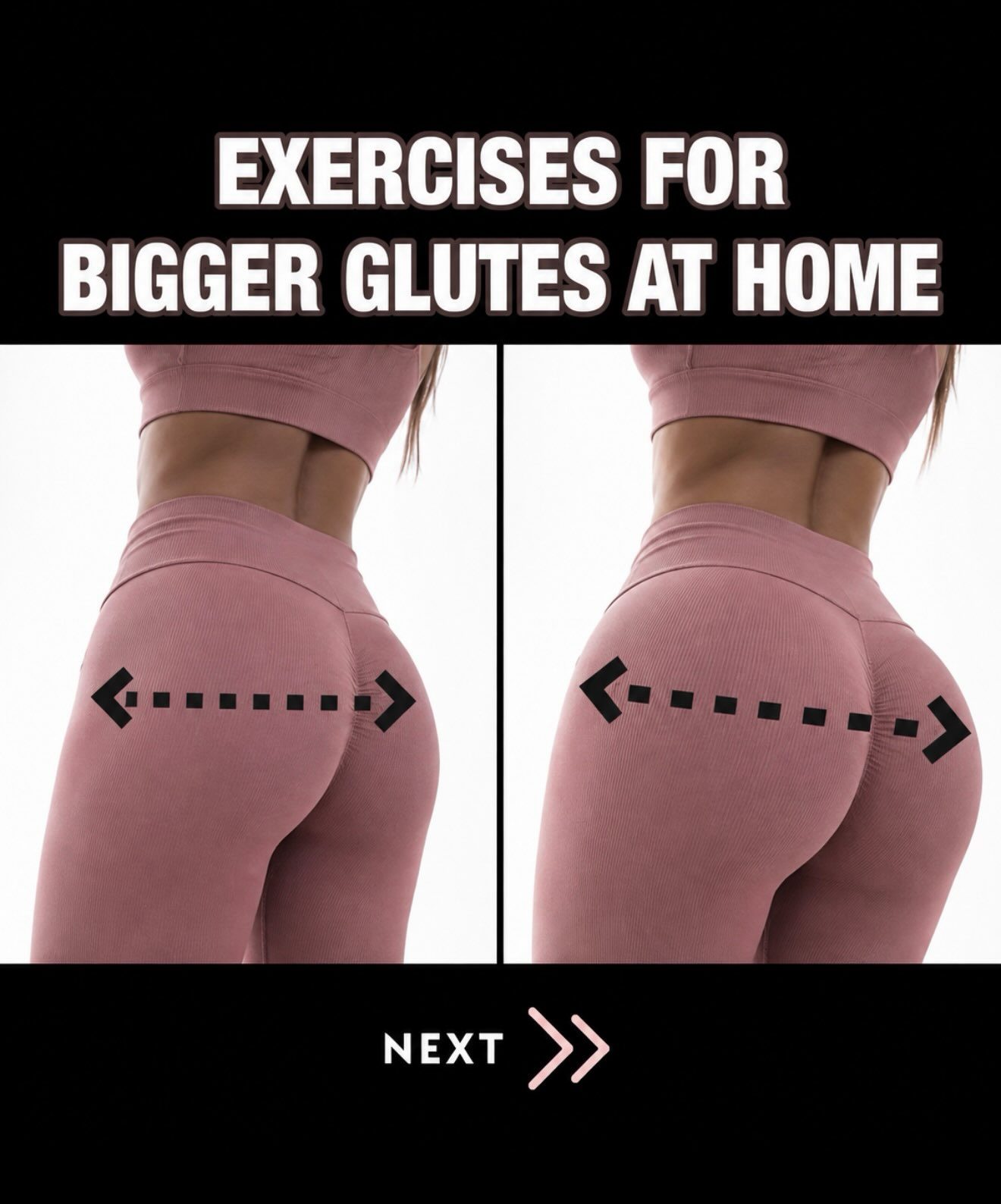
Building Stronger, Fuller Glutes: A Comprehensive Guide
Building stronger, fuller glutes requires more than just random exercises. It involves a combination of effective exercises, progressive overload, proper nutrition, recovery, and consistency. Here's a balanced approach to help you achieve your goals.
Why This Matters
Developing strong, well-defined glutes is essential for overall fitness, posture, and athletic performance. Strong glutes support the body during daily activities, help prevent injuries, and contribute to a balanced, aesthetically pleasing physique.
Main Discussion
The Key Components
Effective Exercises
When it comes to glute development, not all exercises are created equal. Effective exercises should target the glutes through various movement patterns, ensuring balanced growth and strength.
Progressive Overload
Progressive overload is the gradual increase of stress placed upon the body during training. This can be achieved by increasing weight, reps, or sets, or by slowing down the movement. The key is to challenge your muscles progressively, allowing them to adapt and grow over time.
Proper Nutrition
Proper nutrition fuels your workouts and supports muscle growth. Include a quality protein source at each meal, focus on whole foods, stay hydrated, and use carbohydrates to fuel your training. Avoid nutrition fads and strive for sustainable, balanced eating habits.
Recovery
Muscles grow between workouts, not during them. Aim for adequate sleep and avoid overworking your glutes. Allow your body enough time to recover and adapt to the demands of your training.
Glute-Focused Workouts
Glute Exercises at Home
Incorporating exercises that focus on the glutes can be simple and effective. Hip thrusts, cable kickbacks, and step-ups allow you to target the gluteus maximus, medius, and minimus. These exercises can be done at home with minimal equipment, making them convenient for anyone.
Hip Thrusts:
- Sets: 4
- Reps: 10
- Focus on controlled movements for maximum glute activation.
Cable Kickbacks:
- Sets: 3
- Reps: 15
- Use a resistance band or cable machine.
Step-ups:
- Sets: 2
- Reps: 12 each leg
- Use a stable bench or step, focusing on driving through the heel.
Lower Body Strength Training
Lower body strength training builds overall strength through the glutes, quads, and hamstrings. This type of training is essential for a balanced, powerful physique.
Goblet Squats:
- Sets: 3
- Reps: 10-12
- Hold a dumbbell or kettlebell vertically in front of your chest, ensuring proper form.
Romanian Deadlifts:
- Sets: 3
- Reps: 10
- Focus on keeping the weight close to your body and maintaining a neutral spine.
Bulgarian Split Squats:
- Sets: 3
- Reps: 10 each leg
- Use a bench or step for stability, driving through the heel of the front foot.
Leg Press:
- Sets: 3
- Reps: 12
- Ensure proper form and avoid locking the knees at the top of the movement.
Walking Lunges:
- Sets: 2
- Reps: 20 steps
- Hold dumbbells for added resistance, focusing on controlled movements.
Additional Tips
Focus on Form
Quality contractions are essential for muscle growth. Focus on controlled movements and maintain proper form throughout each exercise. Avoid swinging or using momentum to complete reps.
Consistency
Consistency is crucial for achieving long-term results. Focus on building habits that you can maintain, rather than trying to change your body overnight. Consistent effort and dedication will lead to lasting improvements.
Practical Tips
Start Simple
Start with a simple plan and repeat the basics. Avoid overwhelming yourself with too many exercises or complex routines. Focus on mastering a few key movements and gradually incorporate more as you progress.
Gradual Progression
Gradually increase the weight, reps, or sets as your body adapts. Remember that small improvements add up over time, leading to significant gains in strength and muscle growth.
Full-Body Conditioning
Full-body conditioning supports better posture, stability, and athleticism. Incorporate exercises that challenge your upper body and core to achieve a more balanced and functional physique.
Important Takeaways
Results Come from Consistency
Results come from consistent effort and dedication. Make sure to:
- Focus on a balanced approach combining lower body exercises, glute-specific movements, and full-body conditioning.
- Gradually increase the weight, reps, or sets to challenge your muscles.
- Include a quality protein source at each meal, eat mostly whole foods, stay hydrated, and use carbohydrates to fuel your training.
- Prioritize recovery by getting enough sleep and avoiding intense training every day.
- Avoid random workouts and prioritize progressive overload for sustainable growth.
Use a Workout App
Using a workout app can help you stay organized, track your progress, and maintain consistency. There are many apps available that offer guided workouts, nutrition tracking, and reward systems to motivate you along your fitness journey.
Conclusion
Achieving stronger, fuller glutes requires a balanced, consistent approach. Focus on effective exercises, progressive overload, proper nutrition, and recovery. Gradually increase the challenge, and prioritize consistency over perfection. By following this guide, you'll be well on your way to building a stronger, more confident you.
Watch the Reel
Questions readers ask
What are the best exercises for targeting different areas of the glutes?
Some of the best exercises for targeting different areas of the glutes include hip thrusts, which are excellent for overall glute development; cable kickbacks, which isolate the gluteus maximus; and step-ups, which target the glutes and hamstrings. Additionally, Romanian deadlifts are great for the hamstrings and glutes.
How can I effectively build stronger glutes at home?
To build stronger glutes at home, focus on bodyweight exercises like squats, lunges, and glute bridges. Incorporate progressive overload by increasing repetitions or decreasing rest time. Proper nutrition and adequate recovery are also crucial for muscle growth.
What is progressive overload and why is it important for glute development?
Progressive overload involves gradually increasing the stress placed on the muscles during training, which can be achieved by adding more weight, increasing repetitions, or reducing rest time. This is important for glute development because it continually challenges the muscles, promoting growth and strength gains.
How often should I train my glutes for optimal growth?
For optimal glute growth, aim to train your glutes 2-3 times per week, ensuring at least one day of rest between sessions. This frequency allows for adequate recovery and muscle growth. Consistency in your training program is key, so stick to your routine and track your progress.
Are there any specific benefits of cable kickbacks for the glutes?
Cable kickbacks are highly effective for isolating and strengthening the gluteus maximus, the largest muscle in the glutes. This exercise helps to shape and lift the glutes, contributing to a more defined and rounded appearance. Incorporating cable kickbacks into your routine can enhance overall glute development and aesthetics.
What role do step-ups play in a comprehensive glute training program?
Step-ups are a versatile exercise that targets the glutes, hamstrings, and quadriceps. They help improve lower body strength, stability, and power, which are essential for daily activities and athletic performance. Including step-ups in your glute training program can enhance overall lower body development and functionality.
How can I incorporate Romanian deadlifts into my glute workout routine?
Romanian deadlifts are a powerful exercise for targeting the glutes and hamstrings. To incorporate them into your routine, perform them as a compound movement, focusing on proper form and a controlled range of motion. Start with a weight that challenges you but allows for 3 sets of 10-12 repetitions, gradually increasing the weight as you get stronger.
Recent articles
Fresh deep dives from the latest Reels we unpacked.




Comments
Be the first to comment.