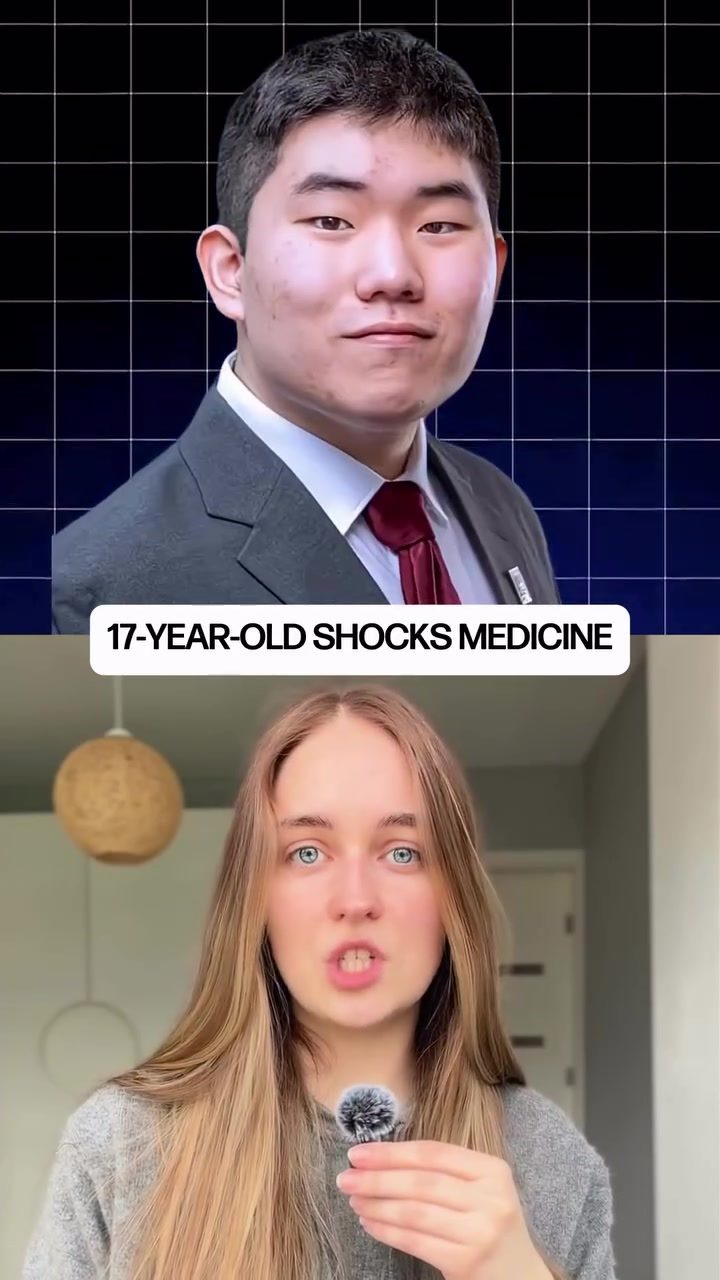
AI & Retina Scans: A Potential Breakthrough in Diagnosing Autism and ADHD
The medical field is always on the lookout for innovative ways to improve diagnostic accuracy and speed. A recent development in this area involves a 17-year-old named Edward Kang from America, who has created an AI tool called RetinaMind. This tool claims to detect signs of autism and ADHD from a single photo of the retina, with an accuracy of 89%.
Why This Matters
Autism and ADHD are neurodevelopmental conditions that affect how individuals process information and interact with the world. Traditional diagnostic methods rely on months or even years of behavioral evaluations, which can be time-consuming and stressful for both patients and healthcare providers. Edward's AI tool offers a potentially faster and more efficient way to identify these conditions, which could greatly impact early intervention and treatment strategies.
The Science Behind RetinaMind
The Retina and the Brain
The retina, which is a thin layer of tissue at the back of the eye, is responsible for capturing light and sending visual information to the brain. During fetal development, the retina and the brain are formed from the same tissue. This shared origin means that the retina can provide insights into the brain's health and function. An AI analyzing a retina photo can potentially detect signs of brain-related conditions, including autism and ADHD.
How RetinaMind Works
RetinaMind is a prototype that uses artificial intelligence to analyze images of the retina. The AI tool looks for specific patterns and features in the retina that may be associated with autism or ADHD. By identifying these markers, RetinaMind aims to provide a quick and non-invasive way to screen for these conditions.
Current Limitations
It's important to note that, as of now, RetinaMind is still a prototype and has not been approved as a medical tool. While the initial results are promising, more research and clinical trials are needed to validate its accuracy and reliability. Healthcare professionals should use such tools with caution and in conjunction with traditional diagnostic methods.
Practical Tips
For Parents and Caregivers
If you are concerned about a child's developmental progress, it's essential to consult with a healthcare provider. While tools like RetinaMind could be helpful in the future, they should not replace professional evaluations. Keep an eye on development milestones and trust your instincts—if something doesn't seem right, seek professional help.
For Healthcare Professionals
Stay updated on the latest research and technological advancements in diagnostic tools. Be cautious when integrating new tools into your practice, and always prioritize patient safety and well-being. Ensure that any new diagnostic methods are thoroughly tested and validated before widespread use.
For Researchers
Conduct further studies to validate the accuracy and reliability of AI tools like RetinaMind. Explore how these tools can be integrated into existing diagnostic frameworks and evaluate their potential impact on patient outcomes. Collaborate with healthcare providers to ensure that new technologies are developed with clinical needs in mind.
Important Takeaways
- Potential Breakthrough: AI tools like RetinaMind could revolutionize the way we diagnose neurodevelopmental conditions.
- Biological Connection: The shared origin of the retina and the brain makes the retina a valuable source of information about brain health.
- Current Limitations: Although promising, RetinaMind is still a prototype and requires further validation.
- Holistic Approach: Always rely on a combination of traditional and new diagnostic methods for accurate results.
Conclusion
The development of AI tools like RetinaMind represents a significant leap forward in the field of medical diagnostics. By leveraging the biological connection between the retina and the brain, these tools offer a non-invasive and potentially faster way to screen for conditions like autism and ADHD. While more research is needed to validate their accuracy and reliability, the potential impact on early intervention and treatment strategies is promising. As we continue to explore and integrate these technologies, it's crucial to prioritize patient safety and well-being, and collaborate with healthcare providers to ensure that new tools are developed and used responsibly.
Watch the Reel
Questions readers ask
How exactly does the RetinaMind tool work for autism and ADHD detection?
The RetinaMind tool developed by Edward Kang employs advanced AI algorithms to analyze a single photo of the retina. It identifies specific biological signs and patterns associated with autism and ADHD, allowing for a quick and efficient assessment of these conditions.
What makes RetinaMind different from traditional diagnostic methods for autism and ADHD?
Traditional diagnostic methods for autism and ADHD often involve lengthy behavioral evaluations that can take months or even years. RetinaMind, on the other hand, provides a faster diagnostics process. It only requires a single retina photo, making it a more efficient and less stressful option for patients and healthcare providers.
Can RetinaMind provide immediate results for autism and ADHD detection?
Yes, RetinaMind is designed to deliver rapid results. Once a retina photo is analyzed, the AI tool can provide an assessment of the potential presence of autism or ADHD. This speedy analysis can significantly enhance early intervention strategies, offering quicker access to necessary support and resources.
How accurate is the RetinaMind tool in detecting autism and ADHD?
RetinaMind demonstrates a high level of accuracy, with an 89% success rate in detecting autism and ADHD. This makes it a reliable tool for healthcare providers looking to complement traditional diagnostic methods with a more efficient, AI-driven approach.
What are the benefits of using a retinal scan for autism and ADHD detection?
A retinal scan for autism and ADHD detection is non-invasive and quick. It can be performed easily and painlessly, and the process does not require extensive patient cooperation, making it suitable for individuals who may struggle with traditional diagnostic methods.
Can RetinaMind be used as a standalone diagnostic tool for autism and ADHD?
While RetinaMind offers a highly accurate and efficient method for detecting signs of autism and ADHD, it is best used as a complementary tool alongside traditional diagnostic methods. Healthcare providers can use the results from RetinaMind to inform further evaluations and interventions.
Recent articles
Fresh deep dives from the latest Reels we unpacked.




Comments
Be the first to comment.