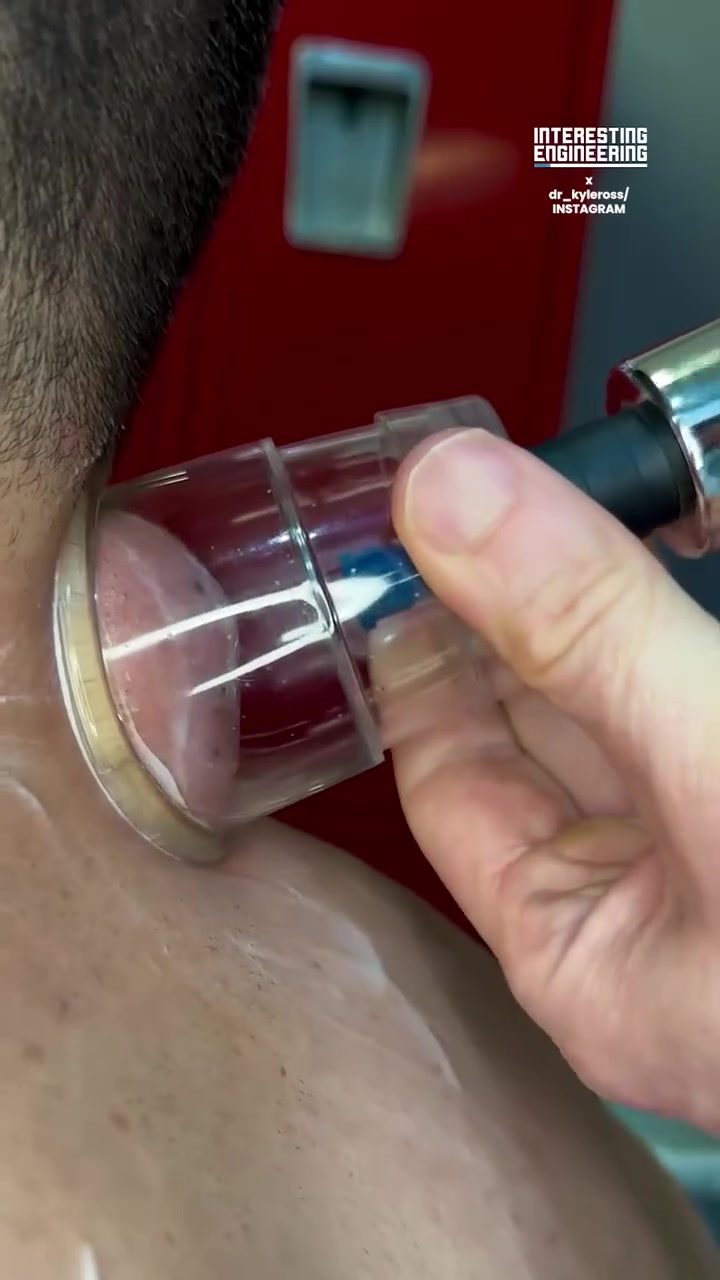
Cupping Therapy: A Focused Approach to Muscle Relief
Cupping therapy has gained attention for its potential to alleviate muscle tension and promote recovery. The technique involves the application of suction to specific areas of the body, targeting muscle tension and promoting healing. This article explores the principles and benefits of targeted cupping therapy, particularly in relieving stiffness and improving circulation.
Context / Why This Matters
Muscle tension and stiffness are common issues that can significantly impact daily activities and overall well-being. Traditional methods of relief often involve massage, stretching, and pain medication. However, targeted cupping therapy offers a unique approach by using focused suction to penetrate deeper into the muscle tissue. This method can be particularly effective for individuals dealing with chronic pain or those seeking faster recovery from injuries.
Main Discussion
Understanding Cupping Therapy
Cupping therapy is an ancient practice that involves placing cups on the skin to create suction. This suction can be generated through heat (fire cupping) or mechanical pumps (dry cupping). The cups are typically left in place for a few minutes, allowing the suction to draw blood to the surface, enhancing circulation and promoting healing.
How Targeted Cupping Works
Targeted cupping therapy specifically focuses on areas of muscle tension and stiffness. By applying suction to these problem areas, the therapy aims to:
- Reduce Muscle Tension: The suction pulls the skin and muscle tissue away from the underlying structures, promoting relaxation and reducing tension.
- Improve Circulation: The increased blood flow to the affected area helps deliver oxygen and nutrients, aiding in the healing process.
- Relieve Stiffness: By loosening tight muscles and fascia, targeted cupping can alleviate stiffness and improve range of motion.
- Support Faster Recovery: Enhanced circulation and reduced tension can accelerate the body's natural healing processes, leading to quicker recovery from muscle injuries or strain.
The Science Behind It
The scientific principles behind cupping therapy are rooted in the effects of negative pressure on the body. When suction is applied to the skin, it creates a vacuum that draws blood to the surface. This increased blood flow can help flush out toxins, reduce inflammation, and promote tissue repair.
Benefits of Targeted Cupping Therapy
Pain Relief
One of the primary benefits of targeted cupping therapy is its ability to relieve pain. The suction created by the cups stimulates the release of endorphins, which are natural painkillers produced by the body. This can provide immediate relief from muscle tension and stiffness, making it an effective option for those suffering from chronic pain.
Improved Circulation
By drawing blood to the surface, cupping therapy enhances circulation in the affected area. This increased blood flow delivers essential nutrients and oxygen to the muscles, promoting faster healing and recovery. Improved circulation can also help reduce inflammation and swelling, further aiding in the healing process.
Enhanced Tissue Repair
The negative pressure created by cupping therapy can help stimulate the body's natural healing processes. By promoting blood flow and reducing tension, the therapy can enhance tissue repair and regeneration, leading to faster recovery from muscle injuries or strain.
Practical Tips
Choosing the Right Cups
When starting with cupping therapy, it's essential to choose the right cups for your needs. There are different types of cups available, including silicone, glass, and plastic. Silicone cups are popular for their flexibility and ease of use, while glass and plastic cups are often used for dry cupping. Consider your comfort and the specific area you want to target when selecting your cups.
Preparing the Skin
Before applying the cups, ensure the skin is clean and free of lotions or oils. Applying a thin layer of massage oil or lotion can help the cups slide more easily and provide a smoother experience.
Applying the Cups
Place the cups on the targeted area of muscle tension or stiffness. Depending on the type of cups, you may need to create suction using a pump or heat a glass cup with fire and quickly place it on the skin. Leave the cups in place for a few minutes, allowing the suction to work its magic. You can gently massage the area with the cups to enhance the therapeutic effect.
Safety Precautions
While cupping therapy is generally safe, it's important to be aware of potential risks. Avoid applying cups near sensitive areas such as the eyes, genitals, or areas with thin skin. If you experience severe pain or discomfort, remove the cups immediately. Always consult a healthcare provider before starting any new therapy, especially if you have underlying health conditions.
Important Takeaways
- Targeted cupping therapy uses focused suction to reduce muscle tension, improve circulation, relieve stiffness, and support faster recovery in problem areas.
- The therapy involves the application of suction to specific areas of the body, drawing blood to the surface and enhancing healing processes.
- Targeted cupping can be particularly effective for individuals dealing with chronic pain or those seeking faster recovery from injuries.
Conclusion
Targeted cupping therapy offers a unique and effective approach to muscle tension and stiffness relief. By applying focused suction to problem areas, the therapy can reduce muscle tension, improve circulation, and support faster recovery. Always consult a healthcare professional before starting any new therapy and follow safety precautions to ensure a positive experience.
Watch the Reel
Questions readers ask
How does cupping therapy work to relieve muscle tension?
Cupping therapy uses suction to create a vacuum effect on the skin and underlying muscle tissue. This suction helps to increase blood flow to the area, promote relaxation, and release muscle tension, contributing to overall relief.
What are the benefits of targeted cupping therapy over traditional methods like massage?
Targeted cupping therapy can reach deeper layers of muscle tissue than traditional massages, providing a more intense release of tension. Additionally, it can improve circulation and promote healing, offering a holistic approach to muscle relief.
Is cupping therapy safe for everyone?
Cupping therapy is generally safe for most people, but it is important to consult with a healthcare provider before trying it, especially if you have certain medical conditions such as bleeding disorders or are pregnant. Some people may experience temporary bruising or skin discoloration.
How often should cupping therapy be performed for optimal results?
The frequency of cupping therapy sessions depends on individual needs and the specific condition being treated. Generally, a series of sessions spread over a few weeks is recommended for optimal results. Your practitioner can provide a personalized treatment plan.
Can cupping therapy aid in recovery from sports injuries?
Yes, cupping therapy can be beneficial for recovering from sports injuries. By improving blood flow and promoting muscle relaxation, it helps to reduce inflammation and speed up the healing process. This makes it a valuable addition to post-injury rehabilitation.
What types of cupping therapy are available?
There are several types of cupping therapy, including dry cupping, wet cupping, and massage cupping. Dry cupping involves creating a vacuum with cups placed on the skin, while wet cupping includes making small incisions in the skin before applying the cups. Massage cupping combines suction with massage techniques for added benefit.
How long does it take to see results from cupping therapy?
The timeline for seeing results from cupping therapy can vary. Some people experience immediate relief from muscle tension and improved circulation after a single session. However, for more chronic or severe conditions, multiple sessions may be needed to see noticeable improvements.
Related deep dives
Similar reads based on topic and creator.

Recent articles
Fresh deep dives from the latest Reels we unpacked.




Comments
Be the first to comment.