Food Consumption and Economic Impact
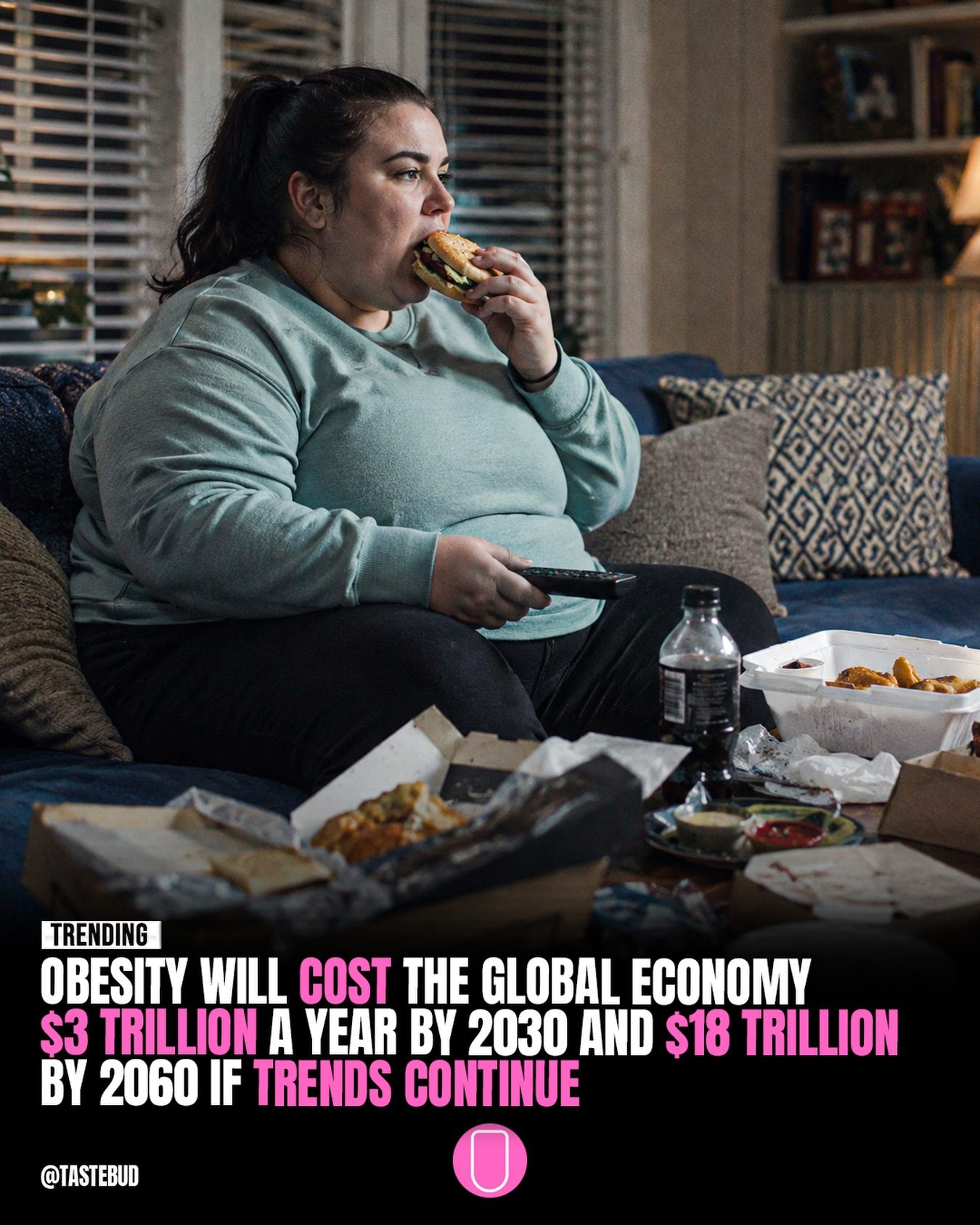
Fast food consumption and obesity are increasingly recognized as significant global health issues with far-reaching economic consequences. The economic impact of obesity is projected to be staggering, with estimates suggesting it will cost the global economy $3 trillion annually by 2030 and a staggering $18 trillion by 2060 if current trends continue.
Why This Matters
The economic burden of obesity extends beyond healthcare costs to affect productivity, social security systems. Understanding the interplay between food consumption habits, obesity, and economic health is crucial for policymakers, healthcare providers, and consumers alike. By examining the costs and consequences, we can better appreciate the need for proactive measures to address this growing challenge.
The Economic Impact of Obesity
Direct Healthcare Costs
The direct healthcare costs associated with obesity are substantial. These include expenses for treating obesity-related conditions such as diabetes, heart disease, and certain types of cancer. As the prevalence of obesity rises, so do the costs of managing these health issues, placing a significant strain on healthcare systems worldwide.
Indirect Costs
Indirect costs are equally alarming. These include productivity losses due to illness and early death, as well as the economic burden on social security systems. For instance, recent projections show that U.S. Social Security funds could face significant challenges in the coming decade, with the main retirement fund potentially depleted by 2033 if no changes are made. This could lead to automatic reductions in benefits to match incoming funds, underscoring the broader economic implications of rising healthcare costs and reduced productivity.
Global Economic Projections
The global economic impact of obesity is projected to reach $3 trillion annually by 2030 and $18 trillion by 2060. These figures highlight the urgent need for interventions to curb obesity rates. The economic burden is not limited to healthcare; it affects multiple sectors, including productivity, labor costs, and social security. Addressing obesity requires a multi-faceted approach that includes public health initiatives, policy changes, and individual lifestyle modifications.
The Role of Fast Food
Fast food consumption is a major contributor to the obesity epidemic. High in calories, sodium, and unhealthy fats, fast food often lacks the necessary nutrients for a balanced diet. The convenience and affordability of fast food make it a popular choice for many, but the long-term health costs are significant.
Nutritional Deficiencies
Regular consumption of fast food can lead to nutritional deficiencies, as these meals often lack essential vitamins, minerals, and fiber. This can exacerbate health issues and increase the risk of chronic diseases, further contributing to the economic burden.
Societal and Cultural Factors
The prevalence of fast food in modern diets is influenced by various societal and cultural factors. Busy lifestyles, marketing strategies, and the accessibility of fast food outlets all play a role. Understanding these factors can help in developing targeted interventions to promote healthier eating habits.
Practical Tips for a Healthier Lifestyle
Balanced Diet
Adopting a balanced diet is crucial for maintaining a healthy weight and reducing the risk of obesity-related diseases. Incorporate a variety of nutrients into your diet, including fruits, vegetables, lean proteins, and whole grains. Limit the intake of processed foods, sugars, and unhealthy fats.
Regular Exercise
Regular physical activity is essential for weight management and overall health. Aim for at least 150 minutes of moderate-intensity or 75 minutes of vigorous-intensity aerobic activity per week, along with muscle-strengthening activities on two or more days a week.
Mindful Eating
Mindful eating involves paying attention to hunger and fullness cues, eating slowly, and savoring each bite. This practice can help prevent overeating and promote a healthier relationship with food.
Portion Control
Controlling portion sizes can help manage calorie intake and prevent overeating. Use smaller plates and bowls, and be mindful of serving sizes when eating out or at home.
Important Takeaways
Obesity is a complex issue with wide-ranging economic and health implications. The projected costs to the global economy are alarming, highlighting the need for immediate action. Addressing obesity requires a multi-faceted approach that includes public health initiatives, policy changes, and individual lifestyle modifications.
Conclusion
The economic impact of obesity is a pressing concern that demands attention from policymakers, healthcare providers, and individuals. By understanding the costs and consequences, we can develop effective strategies to combat this growing challenge. Adopting healthier eating habits, regular exercise, and mindful eating practices can significantly contribute to reducing the burden of obesity and improving overall health. Taking proactive measures now can help mitigate the economic and health consequences for future generations.
Watch the Reel
Questions readers ask
How does fast food consumption contribute to the economic impact of obesity?
Fast food consumption is a key driver of obesity, which leads to increased healthcare costs, reduced productivity, and a strain on social security systems. High-calorie, low-nutrient foods can increase the risk of obesity-related diseases, further exacerbating these costs.
What specific economic factors are affected by the obesity burden?
The economic factors affected by the obesity burden include healthcare costs, productivity loss, and social security systems. As obesity rates rise, so do the costs of medical treatment, and lost productivity due to illness and disability, and the strain on social security systems due to increased claims.
Why will the economic impact of obesity reach $18 trillion by 2060?
The economic impact of obesity is projected to reach $18 trillion by 2060 due to rising healthcare costs, increased productivity loss, and strain on social security systems, and an increasing prevalence of obesity. If current trends continue, the global economy will face significant financial challenges due to obesity-related issues.
How does obesity affect productivity and economic growth?
Obesity affects productivity and economic growth by increasing absenteeism, presenteeism, and reducing overall work efficiency. It also leads to higher rates of disability and premature mortality, which can result in a smaller, less productive workforce.
What are the projections for obesity trends in the next decade?
Obesity trends in the next decade are expected to continue rising if current habits persist. By 2030, the global economy is projected to lose $3 trillion annually due to obesity, with significant increases in healthcare costs and productivity loss. This trend will likely worsen if proactive measures are not taken to address the issue.
What can policymakers do to address the economic burden of obesity?
Policymakers can address the economic burden of obesity by implementing policies that promote healthier food consumption, such as improved food labeling, taxes on unhealthy foods, subsidies for healthy foods, and investing in public health initiatives.
Related deep dives
Similar reads based on topic and creator.


Recent articles
Fresh deep dives from the latest Reels we unpacked.




Comments
Be the first to comment.