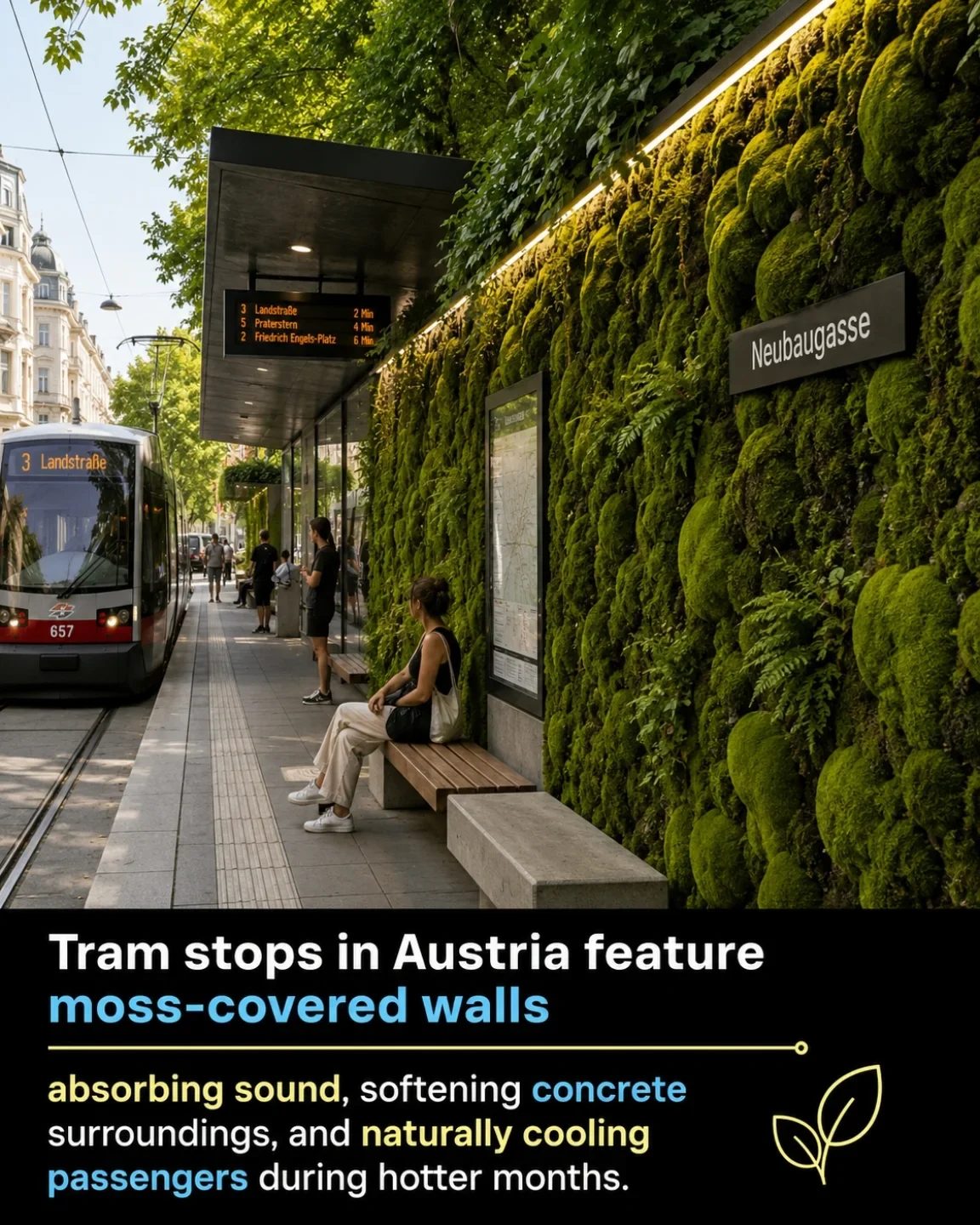
Tram Stop Design: An Innovative Approach to Public Transportation
Tram stops are an essential part of public transportation infrastructure, serving as the interface between people and the tram system. In recent years, there has been a growing emphasis on designing tram stops that are not only functional but also environmentally sustainable and aesthetically pleasing. One notable example is a modern tram stop in Austria that incorporates innovative design elements to enhance the passenger experience.
Why Design Matters in Tram Stops
The design of tram stops plays a crucial role in the overall user experience. A well-designed tram stop can significantly improve passenger comfort, reduce environmental impact, and enhance the urban landscape. Innovations like those seen in Austria's tram stops demonstrate how thoughtful design can address practical issues such as noise pollution, heat management, and environmental sustainability.
Key Features of Innovative Tram Stop Design
Moss-Covered Walls
The most striking feature of this tram stop is its moss-covered wall. This design element serves multiple purposes:
- Sound Absorption: The moss acts as a natural sound absorber, reducing noise levels around the tram stop. This is particularly beneficial in urban areas where noise pollution can be a significant issue.
- Visual Appeal: The moss adds a touch of greenery to the otherwise concrete surroundings, making the tram stop more visually appealing and inviting.
- Thermal Regulation: The moss helps to naturally cool the environment, providing a comfortable waiting area for passengers during warmer months.
Sustainable Materials
Incorporating sustainable materials is a key aspect of modern tram stop design. The use of moss not only serves practical purposes but also aligns with broader environmental goals. Moss is a low-maintenance, eco-friendly material that contributes to the overall sustainability of the infrastructure.
Urban Greenery
The integration of greenery in urban infrastructure has several benefits. It improves air quality, provides a cooling effect, and enhances the aesthetic appeal of the area. Tram stops that incorporate natural elements like moss can become small oases within the city, offering passengers a respite from the urban environment.
Practical Tips for Integrating Nature in Tram Stops
Choose the Right Plants
When incorporating greenery into tram stop design, it's important to choose plants that are well-suited to the environment. Moss, for example, is a low-maintenance option that thrives in a variety of conditions. Other plants, such as ivy or climbing vines, can also be effective in certain climates.
Consider Maintenance
While plants like moss are relatively low-maintenance, they still require some care. Regular watering and trimming are essential to keep the greenery healthy and visually appealing. It's also important to consider the long-term maintenance requirements when selecting plants for tram stops.
Plan for Weather
The weather conditions in the area will influence the choice of greenery. In colder climates, hardy plants that can withstand low temperatures are essential. In warmer climates, plants that can thrive in heat and require less water are more suitable.
Design for Accessibility
Accessibility is a key consideration in tram stop design. The greenery should be placed in a way that it doesn't impede the movement of passengers, especially those with mobility issues. Clear pathways and adequate seating areas are essential for a well-designed tram stop.
Important Takeaways
Modern tram stop design, as exemplified by the Austrian tram stop with a moss-covered wall, highlights the importance of integrating natural elements into urban infrastructure. This approach not only enhances the passenger experience but also contributes to environmental sustainability. By incorporating features like sound-absorbing moss, tram stops can become more comfortable and visually appealing spaces for passengers.
The use of sustainable materials and natural elements in tram stop design can have several benefits, including improved air quality, reduced noise levels, and enhanced thermal comfort. These design elements contribute to creating a more pleasant and eco-friendly urban environment.
Conclusion
Innovative tram stop design, as seen in Austria, showcases how thoughtful design can address practical issues and enhance the passenger experience. By incorporating natural elements like moss, tram stops can become more sustainable, visually appealing, and comfortable for passengers. As urban areas continue to grow, the integration of nature into infrastructure will play a crucial role in creating more livable and eco-friendly cities. Future tram stop designs should continue to explore these innovative approaches, prioritizing sustainability and passenger comfort.
Watch the Reel
Questions readers ask
What makes the modern tram stop in Austria stand out from traditional designs?
The modern tram stop in Austria is unique due to its eco-friendly design, which includes moss-covered walls. These walls help absorb sound, enhance visual appeal, and regulate heat, making the tram stop more comfortable and sustainable.
How do moss-covered walls benefit the tram stop environment?
Moss-covered walls at the tram stop in Austria serve multiple purposes. They absorb sound, reducing noise pollution, and also help regulate heat, contributing to a more comfortable environment for passengers. Additionally, they add a green aesthetic to the urban landscape.
What are the key benefits of sustainable tram stop designs like the one in Austria?
Sustainable tram stop designs, such as the one in Austria, offer numerous benefits. These include improved passenger comfort, reduced noise pollution, and a more visually appealing urban landscape. Additionally, they contribute to a greener environment by integrating natural elements into the infrastructure.
How does the Austrian tram stop integrate with the surrounding urban landscape?
The Austrian tram stop integrates seamlessly with the urban landscape through its moss-covered walls and overall design. This not only adds to the visual appeal but also helps create a more harmonious and green urban environment, enhancing the overall experience for both passengers and the community.
What role does sound absorption play in the design of the eco-friendly tram stop in Austria?
Sound absorption is a key feature in the design of the eco-friendly tram stop in Austria. The moss-covered walls absorb excess noise, reducing overall noise pollution. This contributes to a quieter, more peaceful environment for passengers and the surrounding community.
What are some other examples of green urban design elements that could be incorporated into tram stops?
Other green urban design elements that could be incorporated into tram stops include green roofs, vertical gardens, and rainwater harvesting systems. These elements not only contribute to a greener environment but also enhance the overall aesthetics and sustainability of the tram stop.
What is the significance of integrating natural elements into public transportation infrastructure?
Integrating natural elements, such as moss walls, into public transportation infrastructure helps create a more pleasant and sustainable environment. This integration reduces the environmental impact and enhances the overall user experience by making the infrastructure more visually appealing and comfortable.
Recent articles
Fresh deep dives from the latest Reels we unpacked.




Comments
Be the first to comment.