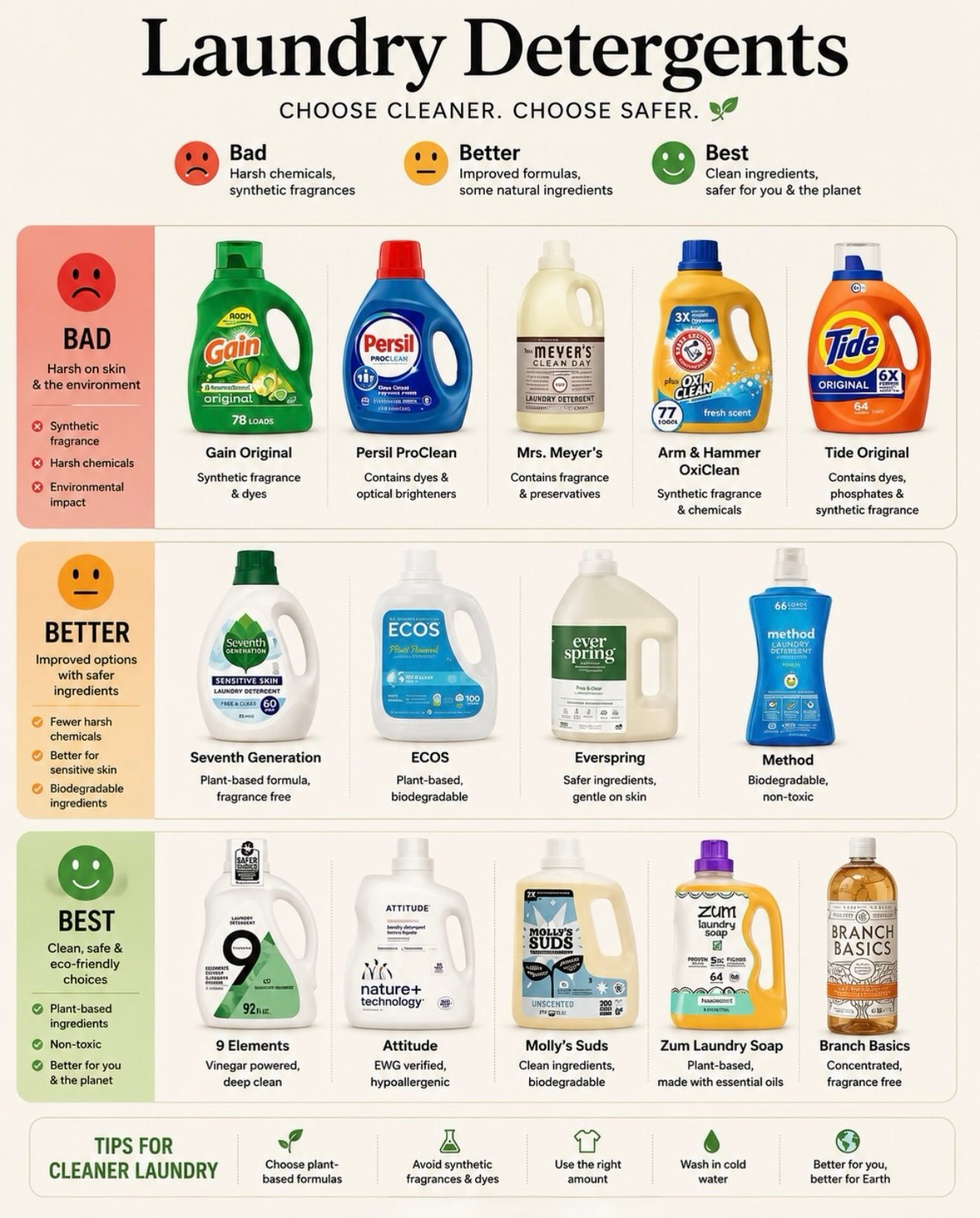
Laundry Detergent Comparison: Making Informed Choices
Choosing the right laundry detergent goes beyond just picking a brand or a scent. The ingredients in your detergent can significantly impact both your health and the environment. By understanding what goes into your laundry products, you can make more informed decisions that benefit you and the planet.
Why This Matters
The laundry detergent aisle is filled with countless options, each promising to be the best for your clothes. However, not all detergents are created equal. Many contain harsh chemicals, synthetic fragrances, and dyes that can be harmful to your health and the environment. By choosing detergents with plant-based ingredients and avoiding synthetic additives, you can reduce your exposure to potentially harmful substances and contribute to a healthier planet.
Main Discussion
Understanding Ingredients
When comparing laundry detergents, it’s crucial to understand the ingredients. Many popular brands, like Tide, contain harsh chemicals, synthetic fragrances, and dyes. These ingredients can cause skin irritation, respiratory issues, and other health problems. Opting for detergents with biodegradable ingredients, such as those from ECOS and Mrs. Meyer's Clean Day, can be a gentler and more sustainable choice.
Biodegradable vs. Non-Biodegradable
Biodegradable ingredients break down naturally over time, reducing their impact on the environment. In contrast, non-biodegradable ingredients can linger in water systems, contributing to pollution. When choosing a detergent, look for labels that highlight biodegradable ingredients. Brands like Seventh Generation and Branch Basics are known for their eco-friendly formulations.
Synthetic Fragrances and Dyes
Synthetic fragrances and dyes are common in many laundry detergents, adding a fresh scent and vibrant colors to products. However, these additives can be irritating to the skin and respiratory system. Opting for detergents with natural fragrances or fragrance-free options can help avoid these issues. Brands like Zum Laundry Soap and Attitude offer fragrance-free and naturally scented alternatives.
Plant-Based Options
Plant-based detergents are a healthier and more sustainable choice. These products are formulated with natural ingredients that are gentler on the skin and the environment. Brands like Method and Everspring focus on plant-based formulas, making them a great option for those looking to minimize their environmental impact.
Practical Tips
Choose Plant-Based Ingredients
When shopping for laundry detergent, prioritize plant-based ingredients. These are generally gentler on your skin and the environment. Look for products that clearly state they use plant-based formulations.
Avoid Synthetic Fragrances & Dyes
Opt for detergents that are free from synthetic fragrances and dyes. These additives can cause skin irritation and other health issues. Fragrance-free or naturally scented detergents are a safer bet.
Use the Right Amount
Using the correct amount of detergent is essential for both effectiveness and sustainability. Too much detergent can leave residue on clothes and contribute to water pollution. Always follow the manufacturer's instructions for the right dosage.
Wash in Cold Water
Washing your clothes in cold water not only saves energy but also helps preserve the colors and fabrics of your clothes. Many modern detergents are designed to work effectively in cold water, making this a practical and eco-friendly choice.
Read Labels Carefully
Reading labels is crucial for making informed decisions. Look for ingredients like sodium lauryl sulfate, phosphates, and synthetic fragrances, which are common in many detergents. Opt for brands that prioritize transparency and clearly list their ingredients.
Important Takeaways
- Prioritize Plant-Based Ingredients: Choose detergents with plant-based formulations for a healthier and more sustainable option.
- Avoid Synthetic Fragrances and Dyes: Opt for detergents that are free from synthetic fragrances and dyes to minimize skin irritation and health risks.
- Use the Right Amount: Always follow the manufacturer's guidelines for the correct dosage to ensure effectiveness and reduce environmental impact.
- Wash in Cold Water: Cold water washing saves energy and helps preserve your clothes.
- Read Labels Carefully: Pay attention to ingredient lists and opt for transparent brands.
Conclusion
Choosing the right laundry detergent is about more than just clean clothes—it’s about making choices that benefit your health and the environment. By understanding the ingredients in your detergent and opting for plant-based, biodegradable options, you can make a positive impact. Whether you choose brands like Tide, ECOS, or Seventh Generation, focusing on cleaner ingredients and sustainable practices can lead to a healthier and more eco-friendly laundry routine.
Watch the Reel
Questions readers ask
What are the benefits of using eco-friendly laundry detergents?
Eco-friendly laundry detergents are gentler on the skin and respiratory system. They also break down more easily in the environment, reducing pollution in waterways. Additionally, these detergents often use plant-based ingredients, which are less likely to cause skin irritation or allergies.
What should I look for when choosing a plant-based laundry detergent?
When selecting a plant-based laundry detergent, look for products that list plant-derived ingredients like coconut oil or soy. Avoid detergents with synthetic fragrances, dyes, and harsh chemicals such as phosphates, optical brighteners, and sulfates. These additives can be harmful to both your health and the environment.
Are fragrance-free laundry detergents better for those with allergies?
Yes, fragrance-free laundry detergents are often a better choice for those with allergies or sensitive skin. Synthetic fragrances can trigger allergic reactions and respiratory issues. Opting for fragrance-free, plant-based detergents can help minimize these risks while still providing effective cleaning.
How do I know if a laundry detergent is biodegradable?
To determine if a laundry detergent is biodegradable, check the product label for ingredients like enzymes, vegetable oils, and plant-based surfactants, which readily break down in the environment. Look for certifications from reputable organizations like the Environmental Protection Agency (EPA) or the USDA BioPreferred program, which validate a product's biodegradability.
Can using non-toxic laundry detergents still effectively clean clothes?
Yes, non-toxic laundry detergents can be just as effective as conventional ones. Plant-based ingredients and mild surfactants are designed to tackle dirt and stains without leaving behind harmful residues. Many eco-friendly detergents are formulated to clean effectively in both cold and hot water, making them a practical choice for everyday use.
How do synthetic-free laundry detergents benefit the environment?
Synthetic-free laundry detergents reduce the amount of harmful chemicals entering waterways and sewage systems. Synthetic additives can persist in the environment, harming aquatic life and contaminating drinking water. Plant-based detergents, on the other hand, break down more quickly and safely, minimizing their environmental impact.
Recent articles
Fresh deep dives from the latest Reels we unpacked.




Comments
Be the first to comment.