Ebola Outbreak in Eastern Democratic Republic of Congo
The Ebola outbreak in the eastern Democratic Republic of Congo (DRC) represents a critical public health challenge, with 3,532 cases and 1,556 deaths since its declaration on May 15. Triggered by the rare Bundibugyo strain, this outbreak is notable for its rapid spread and the lack of an approved vaccine or treatment, making it the fastest-spreading Ebola outbreak in the virus's recorded history.
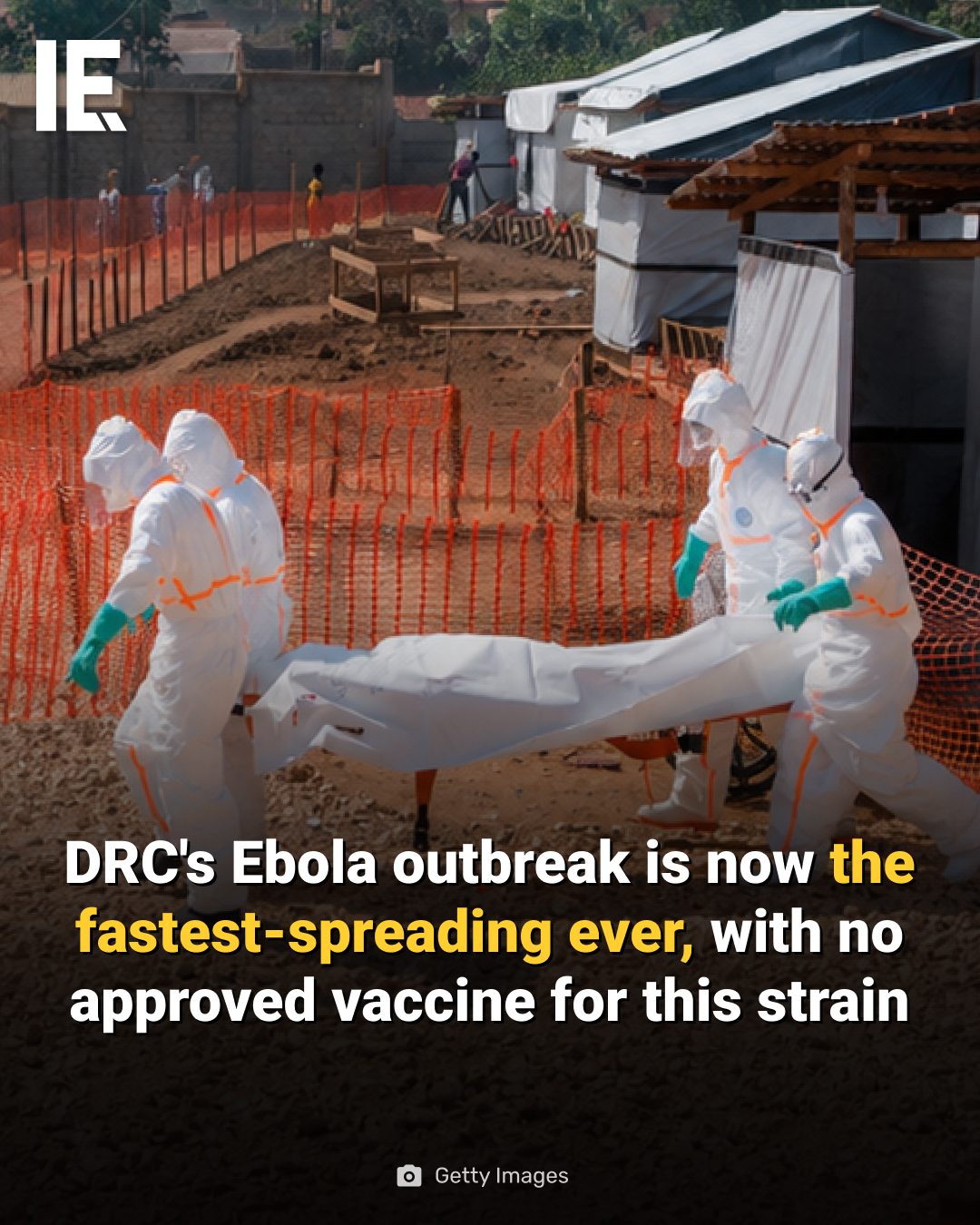
DRC's Ebola outbreak is now the fastest-spreading ever, with no approved vaccine for this strain.
Why This Matters
This outbreak is particularly concerning for several reasons. Firstly, the Bundibugyo strain of Ebola has a fatality rate of approximately 45%, significantly impacting mortality rates. Secondly, it is spreading across five provinces, complicating containment efforts. Thirdly, the outbreak is occurring in areas affected by armed conflict, intensive mining activity, and high population density, which further exacerbates the challenges faced by healthcare workers. It is now the second-largest Ebola outbreak ever recorded in the DRC, and experts still cannot predict when it will peak.
The Context of the Outbreak
The Bundibugyo Strain
The Bundibugyo strain of Ebola is less commonly encountered compared to the Zaire strain, which has a higher fatality rate but has seen more effective containment strategies due to the availability of vaccines and treatments. This strain's rarity and lack of approved interventions make it particularly challenging to manage. The fatality rate of approximately 45% underscores the urgency of the situation, as healthcare workers and authorities race against time to develop and deploy effective countermeasures.
The Impacted Regions
The outbreak is spreading across five provinces in the DRC, including North Kivu, Ituri, South Kivu, and others. These regions are characterized by ongoing conflicts and high population densities, factors that make containment extremely difficult. The presence of mining activities also complicates response efforts, as the movement of miners and local populations can further spread the infection.
The Role of Armed Conflict
Armed conflict in the region poses a significant barrier to effective response and containment. Healthcare workers and public health officials face security risks, making it challenging to reach affected areas and provide necessary care. The instability also hinders the distribution of medical supplies and the implementation of public health measures.
Main Discussion
Rapid Spread and Containment Challenges
The rapid spread of the Ebola outbreak has made containment efforts more difficult. Health officials have noted that the outbreak is more challenging to control than previous outbreaks. The reasons for this include the lack of an approved vaccine, the presence of armed conflict, and the high population density in the affected regions. These factors create a perfect storm for the virus to spread quickly and widely.
Response Efforts
In response to the outbreak, Congolese authorities have taken several steps to mitigate its impact. They have opened more than 20 treatment centers to care for infected individuals and expanded local laboratory surveillance to monitor the spread of the virus. Additionally, public health officials are working to raise awareness and provide education to local communities about the risks of Ebola and how to protect themselves.
Practical Tips for Healthcare Workers and Communities
For Healthcare Workers
Healthcare workers on the front lines face significant risks. Here are some practical tips to help them navigate these challenges:
- Use Protective Gear: Ensure that all protective gear, including gloves, masks, and gowns, is properly worn and disposed of after use.
- Follow Protocols: Adhere to established protocols for handling infected patients, including proper hygiene and disposal of medical waste.
- Stay Informed: Keep up-to-date with the latest information on the outbreak and any new developments in treatment and containment strategies.
For Communities
Community members can also play a crucial role in preventing the spread of Ebola. Here are some tips for staying safe:
- Avoid Contact: Avoid contact with infected individuals or their bodily fluids.
- Practice Good Hygiene: Wash hands frequently and practice good hygiene, including covering the mouth and nose when coughing or sneezing.
- Stay Informed: Stay informed about the outbreak and follow the advice of local health authorities.
Important Takeaways
The Ebola outbreak in the DRC is a complex and multifaceted public health challenge. Key takeaways include:
- The Bundibugyo strain of Ebola has a fatality rate of approximately 45% and no approved vaccine.
- The outbreak is spreading rapidly across five provinces, complicated by armed conflict, mining activities, and high population density.
- Response efforts, including treatment centers and laboratory surveillance, are in place but face significant challenges.
- Community involvement and adherence to public health measures are crucial for containment.
Conclusion
The Ebola outbreak in the DRC represents a significant public health challenge that requires a coordinated and multifaceted response. While the situation is dire, ongoing efforts by healthcare workers, public health officials, and local communities offer hope for containment and eventual eradication of the virus. By staying informed, practicing good hygiene, and following established protocols, everyone can play a role in mitigating the impact of this outbreak.
Watch the Reel
Questions readers ask
What makes the current Ebola outbreak in the DRC particularly challenging?
The current Ebola outbreak in the DRC is challenging due to several factors. Primarily, it is caused by the Bundibugyo strain, which has a high fatality rate of 45%. Additionally, there is no approved vaccine for this specific strain, and the outbreak is occurring in areas with high population density and ongoing armed conflict, complicating containment efforts.
How does the Bundibugyo strain differ from other Ebola strains?
The Bundibugyo strain of Ebola is notable for its high fatality rate of 45%, which is significantly higher than some other strains. Additionally, unlike other strains, there is no approved vaccine for Bundibugyo, making prevention and control efforts more complex.
What are the main obstacles to containing the Ebola outbreak in the DRC?
The main obstacles include the lack of an approved vaccine for the Bundibugyo strain, the rapid spread of the virus, and the challenging environment in which it is occurring. The outbreak is spread across several provinces, and armed conflict and high population density further hinder effective containment strategies.
What are the current containment strategies for the Ebola outbreak in the DRC?
Containment strategies include isolating infected individuals, monitoring contacts, and implementing preventive measures. Health workers are also focusing on raising awareness in local communities about the risks of Ebola and how to protect themselves. Due to the lack of a vaccine, these measures are crucial to slowing the spread of the virus.
How does the high population density in affected areas impact the Ebola outbreak?
High population density in the affected areas exacerbates the Ebola outbreak by increasing the number of potential contacts for each infected individual. This makes it easier for the virus to spread rapidly, overwhelming local healthcare systems and complicating efforts to trace and isolate cases.
What role does armed conflict play in the Ebola outbreak in the DRC?
Armed conflict in the DRC disrupts healthcare services and containment efforts, making it difficult for health workers to access affected areas. It also forces people to move, increasing the risk of spreading the virus to new regions, and creates an environment where preventative measures are harder to implement.
What can individuals do to protect themselves from Ebola in areas affected by the outbreak?
Individuals can protect themselves by avoiding contact with infected persons and their bodily fluids, practicing good hygiene, and seeking immediate medical attention if they experience symptoms. It's also important to follow guidance from local health authorities and support containment efforts to reduce the spread of the virus.
Related deep dives
Similar reads based on topic and creator.


Recent articles
Fresh deep dives from the latest Reels we unpacked.




Comments
Be the first to comment.