Understanding Nutrition Beyond Macros
Nutrition is more than just tracking macronutrients like protein, carbohydrates, and fats. While these are essential, other components play a significant role in a balanced and healthy diet. This is demonstrated by various meals that focus on a holistic approach to nutrition.
Context / Why This Matters
Beyond macronutrients, there are several key elements that contribute to a well-rounded diet. These include fiber, micronutrients, healthy fats, antioxidants, and gut-friendly foods. Understanding these components can help enhance overall health, aid in digestion, and make meals more enjoyable.
Main Discussion
Nutrient-Dense Meals
Nutrient-dense meals are those that provide a high amount of essential nutrients relative to their calorie content. These meals are not only about hitting the right macronutrient ratios but also about incorporating a variety of healthy ingredients.
Example 1: The Healthy Breakfast Bowl
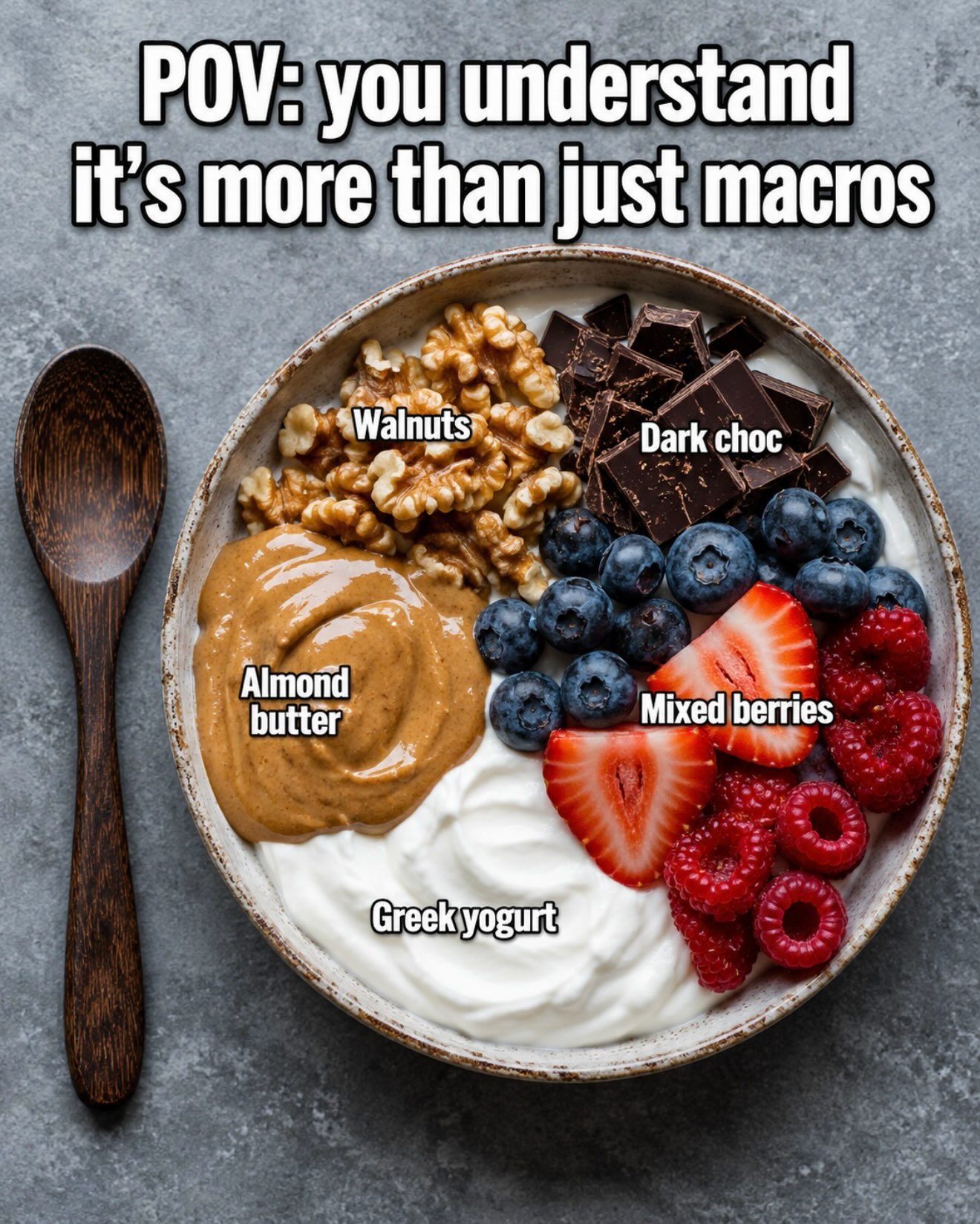
A visually appealing breakfast bowl can be a great way to start the day. This bowl features a combination of Greek yogurt, mixed berries, walnuts, almond butter, and dark chocolate. Each ingredient plays a crucial role in the overall nutritional profile of the meal.
- Greek yogurt is a good source of protein and probiotics, which support gut health.
- Mixed berries provide antioxidants and vitamins, essential for energy and overall health.
- Walnuts offer healthy fats and fiber, aiding in satiety and digestion.
- Almond butter is a protein-rich spread that also contains healthy fats.
- Dark chocolate adds a touch of sweetness along with antioxidants.
Example 2: The Chimichurri Sirloin
Another nutritious option is the Chimichurri Sirloin with Hasselbacks and Greens. This meal is a balanced combination of protein, vegetables, and healthy fats.
- Sirloin steak provides high-quality protein.
- Potatoes add carbohydrates for energy.
- Mushrooms and broccoli contribute fiber and vitamins.
- Chimichurri sauce enhances the flavor with the addition of healthy fats and micronutrients.
The Ribeye Nourish Plate
The Ribeye Nourish Plate is an excellent example of a meal that balances macronutrients with a variety of nutrients.
- Ribeye steak is a rich source of protein and iron.
- Egg adds additional protein and healthy fats.
- Avocado provides healthy fats and fiber.
- Mushrooms and kimchi offer antioxidants and gut-friendly bacteria.
- Pomegranate seeds and berries bring in more antioxidants and vitamins.
The Mediterranean-Inspired Chicken Plate
A Mediterranean-inspired chicken plate is another example of a balanced and flavorful meal. This plate includes:
- Chicken: a lean protein source.
- Feta cheese: adds calcium and healthy fats.
- Chickpeas: provide protein and fiber.
- Avo (avocado): contributes healthy fats.
- Tzatziki: a yogurt-based sauce that adds probiotics and creaminess.
The Chicken Nourish Plate with Kimchi
This plate features:
- Chicken: a lean protein.
- Kimchi: a source of gut-friendly bacteria.
- Courgette (zucchini) and avocado: healthy fats and fiber.
- Berries: antioxidants and vitamins.
Practical Tips
When preparing meals, focus on incorporating a variety of nutrient-dense ingredients. Here are a few tips to keep in mind:
- Include a variety of colors: Different colored foods often mean different nutrient profiles. Aim for a rainbow of colors on your plate.
- Focus on whole foods: Processed foods often lack the nutrients found in whole foods. Opt for whole grains, fresh fruits, and vegetables.
- Don't forget healthy fats: Include sources of healthy fats like avocados, nuts, and seeds.
- Add flavor with herbs and spices: These not only enhance the taste but also provide additional health benefits.
- Enjoy your meals: The enjoyment factor is crucial. Choose foods you love and that make you feel good.
Important Takeaways
- Nutrition is more than just macros: Pay attention to fiber, micronutrients, healthy fats, and other essential components.
- Variety is key: Include a range of nutrient-dense ingredients in your meals.
- Enjoyment matters: Choose meals that are not only nutritious but also enjoyable to eat.
Conclusion
Creating balanced and nutritious meals involves understanding the importance of macronutrients and micronutrients. By focusing on variety, flavor, and enjoyment, you can ensure that your meals support your overall health and wellness goals. Whether you're enjoying a breakfast bowl, a steak dinner, or a Mediterranean-inspired plate, the key is to incorporate a range of healthy ingredients that provide a comprehensive nutritional profile.
Watch the Reel
Questions readers ask
What are some key components of a balanced diet beyond macronutrients?
A balanced diet includes more than just protein, carbohydrates, and fats. Key components include fiber for digestive health, micronutrients like vitamins and minerals for overall bodily functions, antioxidants for combating oxidative stress, and healthy fats for heart health and nutrient absorption.
Why is fiber important in a healthy diet?
Fiber is crucial for maintaining digestive health, promoting feelings of fullness, and aiding in the absorption of certain nutrients. Foods rich in fiber can help prevent digestive disorders, lower cholesterol levels, and support a healthy gut microbiome.
What are some examples of antioxidant foods and how do they benefit my diet?
Antioxidant foods include berries, leafy greens, nuts, and colorful fruits and vegetables. These foods help protect cells from damage by free radicals, reducing the risk of chronic diseases and supporting overall health. Incorporating a variety of these foods can enhance the nutritional balance of your meals.
How can I incorporate more micronutrients into my meals?
To boost your micronutrient intake, focus on consuming a variety of nutrient-dense foods. Include a range of colorful fruits and vegetables, lean proteins, whole grains, and healthy fats. Meal planning with a focus on these ingredients can help ensure you get a broad spectrum of vitamins and minerals.
What are some tips for planning nutrient-rich meals?
Plan your meals to include a balance of macronutrients and micronutrients. Opt for whole, unprocessed foods and a variety of colors on your plate. Incorporate healthy fats, fiber-rich foods, and a mix of antioxidants to enhance the nutritional balance of your meals. Experiment with healthy recipes to keep your diet interesting and enjoyable.
How do healthy fats contribute to a well-rounded diet?
Healthy fats, such as those found in avocados, nuts, and olive oil, are essential for brain function, hormone production, and the absorption of fat-soluble vitamins. They also support heart health and help maintain stable energy levels. Including a moderate amount of these fats in your diet can enhance the overall nutritional profile of your meals.
What are some benefits of a varied diet beyond nutrient intake?
A varied diet brings a range of benefits, including improved digestive health, enhanced enjoyment of meals, and better overall well-being. It also helps ensure that you get a wide array of nutrients, supports your immune function, and can even improve your mood. Incorporating a variety of healthy ingredients makes meal times more exciting and satisfying.
Recent articles
Fresh deep dives from the latest Reels we unpacked.




Comments
Be the first to comment.