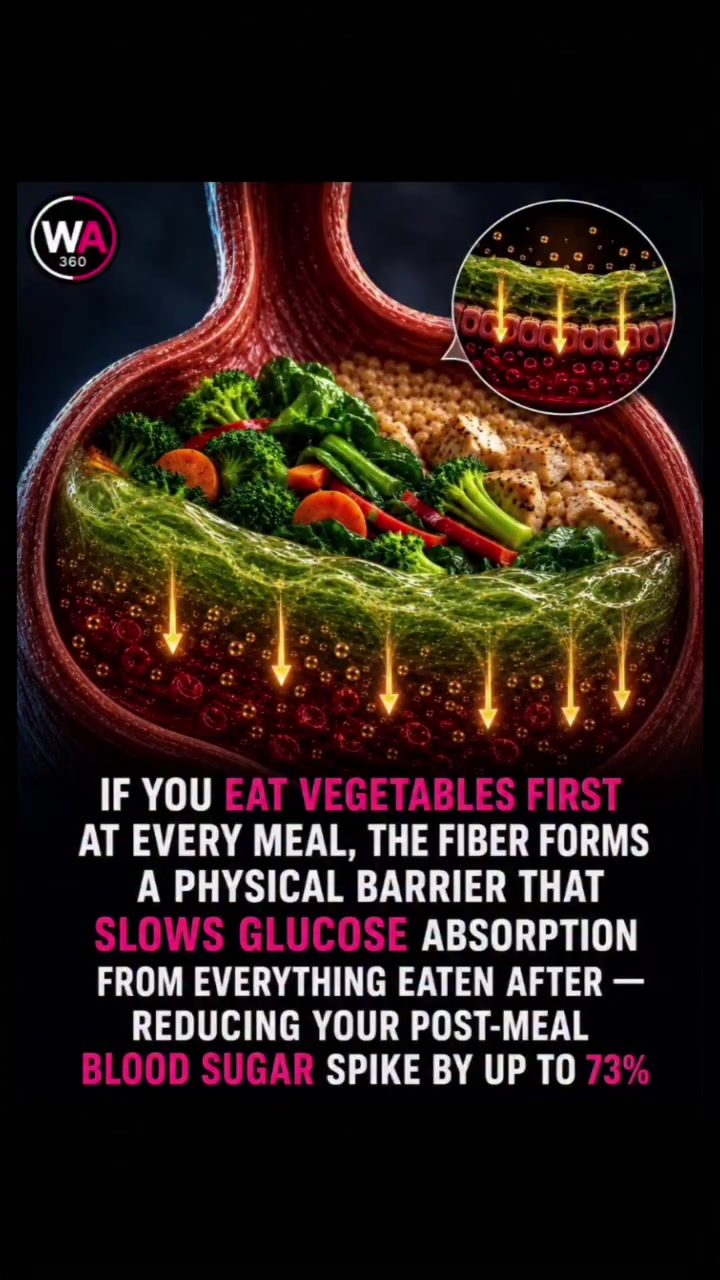
Eating Vegetables First: A Simple Habit for Blood Sugar Control
Eating vegetables before other foods at a meal can help stabilize blood sugar levels, improve satiety, and support overall metabolic health. This habit leverages the power of fiber in vegetables to slow down the digestion and absorption of glucose, preventing sharp post-meal blood sugar spikes. Let’s dive into why this simple change can make a significant difference in your health and well-being.
Why This Matters
Maintaining stable blood sugar levels is crucial for overall health, particularly for those managing conditions like diabetes or insulin resistance. By focusing on food order, you can influence your body’s response to meals, leading to better glucose control and metabolic health.
Post-Meal Glucose Spikes
After a meal, the carbohydrates you consume are broken down into glucose, which enters the bloodstream. A sudden influx of glucose can cause a spike in blood sugar levels. Consistent high glucose spikes can lead to various health issues, including increased inflammation and potential damage to blood vessels and organs. Eating vegetables first can help mitigate these spikes.
Main Discussion
The Role of Fiber
Vegetables are rich in fiber, which plays a critical role in slowing down digestion. When you eat fiber-rich vegetables before carbohydrates and proteins, the fiber forms a physical barrier in the stomach. This barrier slows the absorption of glucose from the other foods you eat, resulting in a steadier rise in blood sugar levels.
The Science Behind the Habit
Research suggests that the order in which you consume your food can significantly impact your body’s response to a meal. Eating vegetables first allows the fiber to mix with the entire meal, effectively creating a buffer that slows down the digestion and absorption of glucose. This results in a more gradual release of glucose into the bloodstream, reducing the likelihood of a post-meal spike.
Benefits of Eating Vegetables First
Eating vegetables first can offer several benefits for your health:
Steady Blood Sugar Levels
By slowing the absorption of glucose, this habit helps maintain more stable blood sugar levels. This is particularly beneficial for individuals with diabetes or insulin resistance, as it reduces the risk of hyperglycemia and its associated complications.
Improved Satiety
Vegetables are high in fiber and water, which can help you feel fuller for longer. Eating vegetables first can help you consume fewer calories overall, as you may feel satisfied and stop eating sooner.
Better Metabolic Health
Consistent blood sugar control can lead to improved metabolic health over time. Reduced post-meal glucose spikes can lower inflammation, support healthy insulin function, and promote better energy levels.
Practical Tips
Integrating the Habit into Your Routine
Making this change a part of your daily routine is simple, just follow these steps:
-
Plan Your Meals: Start by planning your meals with vegetables as the first course. This could be a simple salad, steamed broccoli, or a side of roasted peppers.
-
Portion Control: Aim for a generous portion of vegetables, ensuring you have enough fiber to form a barrier in your stomach.
-
Stay Consistent: Like any habit, consistency is key. Incorporate this practice into every meal to see the long-term benefits.
Boosting the Benefits
To maximize the benefits of this habit, pair it with other healthy lifestyle choices:
-
Regular Exercise: Physical activity helps burn off excess glucose, further stabilizing blood sugar levels. Aim for at least 30 minutes of moderate exercise most days of the week.
-
Proper Hydration: Drinking enough water is essential for overall health and can help with digestion and nutrient absorption.
-
Nutrient-Rich Diet: Continue to focus on a balanced diet rich in whole foods, including lean proteins, whole grains, and healthy fats.
Important Takeaways
Eating vegetables first at every meal is a simple yet effective way to stabilize blood sugar levels, improve satiety, and support better metabolic health. The fiber in vegetables helps slow down the digestion and absorption of glucose, reducing post-meal spikes and promoting overall well-being. Pair this habit with regular exercise, proper hydration, and a nutrient-rich diet for the best long-term results.
Conclusion
Small, consistent lifestyle changes can have a significant impact on your health. By starting your meals with vegetables, you can enjoy the benefits of stable blood sugar levels, improved satiety, and better metabolic health. Incorporate this simple habit into your routine and watch the positive effects unfold over time.
Watch the Reel
Questions readers ask
Why is it beneficial to eat vegetables at the start of a meal?
Consuming vegetables first can slow down the absorption of glucose, which helps to manage post-meal blood sugar spikes. This supports healthy glucose control and promotes overall metabolic health.
How does eating vegetables first help in managing diabetes and insulin resistance?
Eating vegetables first can assist in stabilizing blood sugar levels, which is particularly beneficial for individuals managing diabetes or insulin resistance. This simple habit can aid in maintaining blood sugar control and preventing sharp spikes.
What role does fiber play in the benefits of eating vegetables first?
Fiber in vegetables slows down the digestion and absorption of glucose, which prevents rapid increases in blood sugar after a meal. This makes fiber-rich vegetables an excellent choice for stabilizing blood sugar levels.
Can eating vegetables first aid in weight management?
Yes, eating vegetables first can enhance feelings of fullness and satiety, which may lead to reduced overall calorie intake. This can support weight management efforts and contribute to an individual's overall health.
What are some easy ways to incorporate more vegetables into the start of a meal?
You can start with a vegetable salad, veggie soup, or raw vegetable sides. Also, you can try incorporating vegetables into main dishes or appetizers to ensure you're consuming them first.
How soon after starting to eat vegetables first can I expect to see improvements in blood sugar control?
Individuals may experience improvements in blood sugar control within a few weeks of consistently eating vegetables first. However, the timeline can vary based on factors like overall diet, lifestyle, and any underlying health conditions.
Are there any specific vegetables that are better for controlling blood sugar?
Vegetables high in fiber and low in carbohydrates are particularly effective. Non-starchy vegetables such as leafy greens, broccoli, cauliflower, and bell peppers are excellent choices for maintaining stable blood sugar levels.
Related deep dives
Similar reads based on topic and creator.

Recent articles
Fresh deep dives from the latest Reels we unpacked.




Comments
Be the first to comment.