Eggs and Their Health Benefits
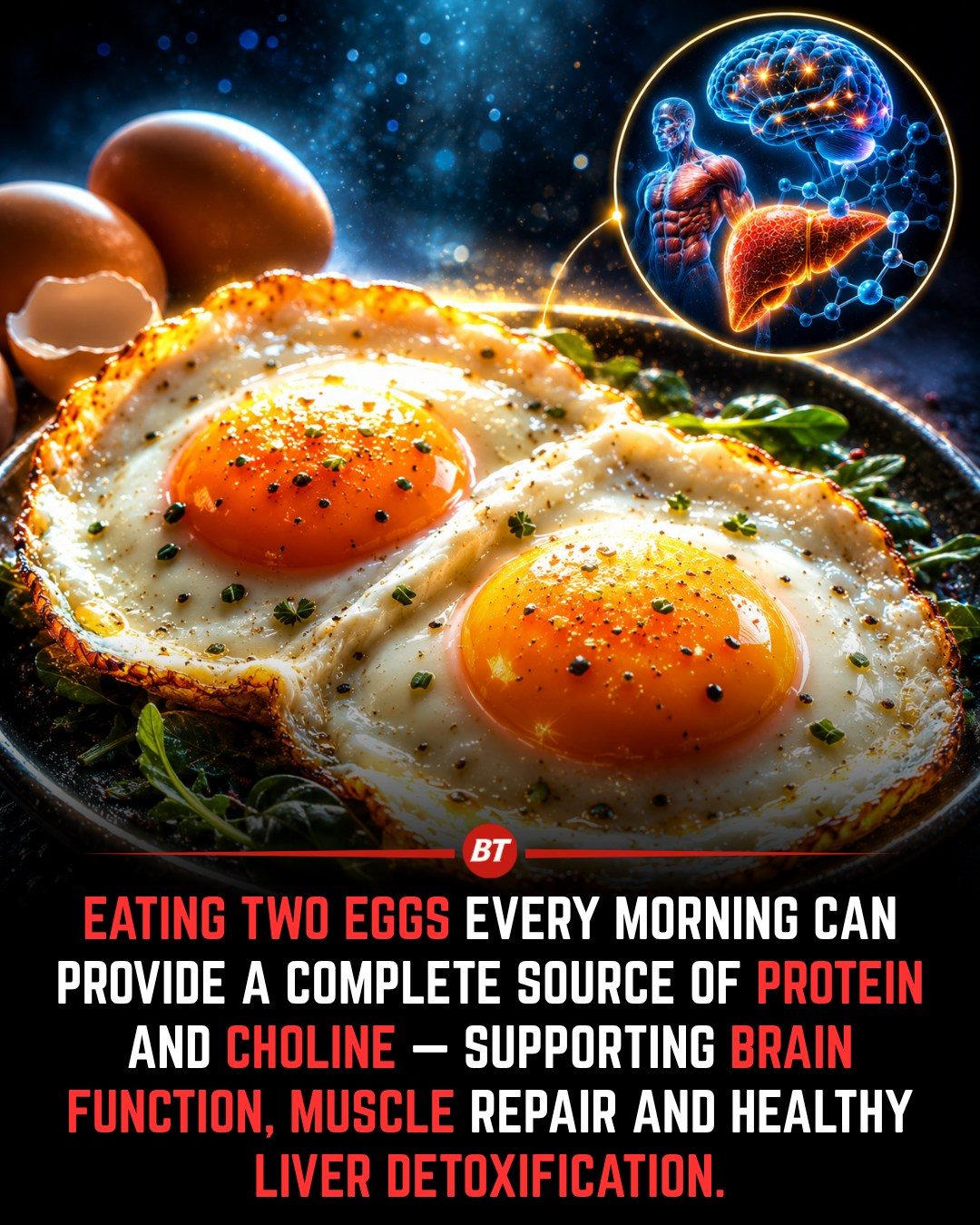
Eggs are a staple in many diets around the world, and for good reason. They provide a variety of essential nutrients that support overall health. Eating two eggs every morning can offer a complete source of high-quality protein and choline, which are crucial for various bodily functions.
Why This Matters
Incorporating eggs into your daily routine can have significant health benefits. Understanding these benefits can help you make informed decisions about your diet and overall well-being. Eggs are versatile and can be prepared in a multitude of ways, making them an easy addition to any meal plan.
Complete Protein and Choline
Essential Amino Acids
Eggs are considered a complete protein, meaning they contain all nine essential amino acids that the body needs to build and repair muscles, produce enzymes and hormones, and maintain healthy tissues. Just two large eggs provide about 12–13 grams of highly bioavailable protein, making them one of the most efficient protein sources available. This makes eggs an excellent choice for those looking to increase their protein intake, whether for muscle building, weight management, or overall health.
The Role of Choline
Eggs are also one of the richest dietary sources of choline, a nutrient that many adults do not get enough of. Choline is essential for producing acetylcholine, a neurotransmitter involved in memory, learning, and muscle control. It also plays a crucial role in transporting fat out of the liver, supporting normal liver function and healthy fat metabolism. A 2023 review published in Nutrients highlighted choline's critical role in brain development, cognitive function, liver health, and cell membrane integrity. Inadequate choline intake may contribute to fat accumulation in the liver, underscoring its importance as part of a balanced diet.
Brain and Muscle Benefits
The choline in eggs supports brain function, muscle repair, and healthy liver detoxification. This makes eggs a valuable addition to a healthy diet. The protein in eggs also aids in muscle repair, making them a popular choice among athletes and fitness enthusiasts.
Liver Health
Choline is crucial for transporting fat out of the liver, which helps support normal liver function and healthy fat metabolism. Including eggs in your diet can contribute to maintaining a healthy liver, reducing the risk of liver diseases and supporting overall health.
Nutritional Value Beyond Protein and Choline
Vitamin and Mineral Content
Eggs provide an impressive package of nutrients, including vitamin B12, selenium, vitamin D, lutein, and zeaxanthin. These nutrients support overall health in various ways. Vitamin B12 is essential for the nervous system and the production of red blood cells. Selenium plays a role in immune function and thyroid health, while vitamin D is crucial for bone health and immune function. Lutein and zeaxanthin are important for eye health and may help reduce the risk of age-related macular degeneration.
Moderation and Cholesterol Concerns
Despite past concerns about dietary cholesterol, modern research has found that for most healthy people, eating eggs in moderation has little effect on blood cholesterol levels. This means you can enjoy eggs as part of a balanced diet without worrying about negative effects on your cholesterol.
Practical Tips for Incorporating Eggs into Your Diet
Breakfast Ideas
Pair two eggs with vegetables and whole-grain toast or fresh fruit for a balanced breakfast that combines high-quality protein, fiber, healthy fats, and long-lasting energy. Cooking eggs with spinach, tomatoes, or mushrooms is an easy way to add even more nutrients to your morning meal. This combination provides a range of vitamins, minerals, and antioxidants that support overall health.
Versatile Cooking Methods
Eggs can be prepared in various ways, making them a versatile addition to any meal. Whether you prefer them boiled, scrambled, fried, or poached, there are countless recipes and cooking methods to suit your tastes. Experimenting with different cooking techniques and ingredients can help keep your meals interesting and nutritious.
Lunch and Dinner Options
Eggs are not just for breakfast. They can be incorporated into lunch and dinner meals as well. Add hard-boiled eggs to salads for an extra protein boost, or use them in sandwiches and wraps. Eggs can also be a key ingredient in casseroles, frittatas, and omelets, providing a satisfying and nutritious meal option.
Important Takeaways
Eggs offer a complete source of high-quality protein and choline, which are essential for brain function, muscle repair, and healthy liver detoxification. They are also rich in various vitamins and minerals that support overall health. Incorporating eggs into your diet can be a simple and effective way to boost your nutrient intake and support your body's needs.
Conclusion
Incorporating eggs into your daily routine can provide numerous health benefits, from supporting brain function and muscle repair to aiding in healthy liver detoxification. With their complete protein content and rich nutrient profile, eggs are a valuable addition to any diet. Whether you enjoy them for breakfast, lunch, or dinner, there are countless ways to incorporate eggs into your meals and reap their health benefits. Try different cooking methods and pair them with a variety of ingredients to keep your meals interesting and nutritious.
Watch the Reel
Questions readers ask
What makes eggs a complete protein source?
Eggs are considered a complete protein because they contain all nine essential amino acids that the body needs but cannot produce on its own. These amino acids are vital for various bodily functions, including muscle repair and growth, making eggs an excellent choice for maintaining and building muscle mass.
How does choline in eggs support brain function?
Choline is a crucial nutrient found in eggs that plays a significant role in brain development and function. It helps in the production of neurotransmitters, which are essential for cognitive processes like memory and learning. Additionally, choline supports the structure of cell membranes, ensuring proper communication between brain cells.
Can eating two eggs a day improve liver health?
Yes, eating two eggs a day can contribute to liver health. Eggs contain choline, which helps in the metabolism of fats and prevents the build-up of fat in the liver. This process supports overall liver function and can help maintain a healthy liver. Moreover, the complete protein in eggs aids in the repair and regeneration of liver cells.
What are the benefits of eating two eggs in the morning?
Eating two eggs in the morning provides a high-quality source of complete protein, which can help you feel full and satisfied, aiding in weight management. Additionally, the choline and essential nutrients in eggs support brain function, muscle growth, and liver health, ensuring that you start your day with a nutrient-rich meal that supports overall well-being.
How do eggs support muscle growth and repair?
Eggs are an excellent source of complete protein, containing all the essential amino acids necessary for muscle growth and repair. The high-quality protein in eggs helps to build and maintain muscle mass, making them a popular choice among athletes and fitness enthusiasts. Additionally, the complete protein in eggs supports the body's recovery process after physical activity.
What are the advantages of incorporating eggs into a daily routine?
Incorporating eggs into your daily routine can provide a wide range of health benefits. The complete protein and choline in eggs support muscle growth, brain function, and liver health, making them an excellent addition to any meal plan. Plus, eggs are versatile and can be prepared in various ways, making it easy to include them in your daily nutrition.
Why is choline important for overall health?
Choline is a vital nutrient for overall health, as it plays a crucial role in various bodily functions. It supports brain health by aiding in the production of neurotransmitters and maintaining cell membrane structure. Choline also helps in the metabolism of fats, preventing the accumulation of fat in the liver, and supports muscle and liver function.
Related deep dives
Similar reads based on topic and creator.




Recent articles
Fresh deep dives from the latest Reels we unpacked.




Comments
Be the first to comment.