Food for Specific Body Systems
The foods you choose to eat significantly impact various systems in your body. More than just providing energy, specific foods can support and enhance the health of different organs and functions. From boosting blood health to improving gut function and promoting better vision, understanding which foods to eat can lead to targeted and effective nutrition.
Why This Matters
Eating with intention can make a significant difference in your overall health. When you eat, you're not just consuming calories; you're feeding specific systems within your body. This approach to nutrition goes beyond general healthy eating by focusing on the specific benefits that certain foods can provide to different parts of the body. By identifying the right foods for each bodily system, you can enhance the efficiency and effectiveness of these systems.
Key Foods for Specific Body Systems
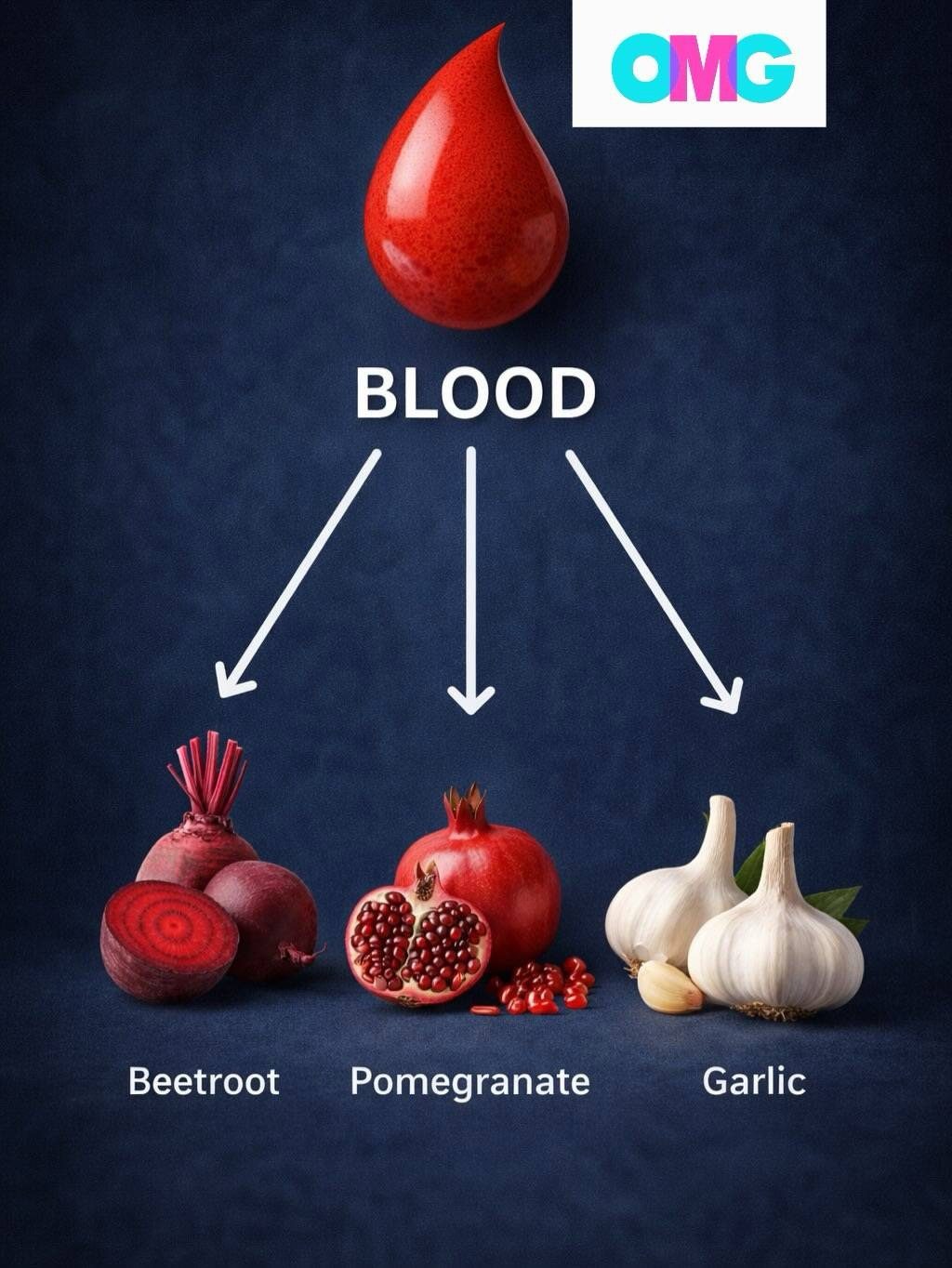
Foods for Blood Health
Certain foods can significantly support blood health. Beetroot, pomegranate, and garlic are all associated with improved circulation, oxygen delivery, and overall energy levels. These foods contain nutrients that support cardiovascular health, helping to keep your blood flowing smoothly and efficiently. Beetroot, for example, is rich in nitrates, which can help lower blood pressure. Garlic is known for its anti-inflammatory and antioxidant properties, which can support heart health. Pomegranate is packed with antioxidants that can improve blood flow and reduce the risk of heart disease.
Foods for Eye Health
Maintaining good eye health involves more than just protecting your eyes from strain. Foods like carrots, sweet potatoes, and broccoli are known to support vision and eye health. Carrots and sweet potatoes contain vitamin A, which is essential for maintaining good vision and protecting the eyes from damage. Broccoli is rich in lutein and zeaxanthin, antioxidants that help protect the eyes from age-related macular degeneration and cataracts.
Foods for Gut Health
The gut plays a crucial role in overall health, and specific foods can support its function. Aloe vera, green apples, and cucumbers can contribute to a healthy gut microbiome, aiding in digestion and immune function. Green apples are rich in soluble fiber, which can promote gut health and improve digestion. Aloe vera contains compounds that can soothe the digestive tract and reduce inflammation. Cucumbers are high in water content and fiber, making them an excellent choice for maintaining hydration and promoting digestive health.
Foods for Brain Health
Nourishing the brain with the right foods can improve cognitive function and mental clarity. Walnuts, blueberries, and turmeric are particularly beneficial for the brain. Walnuts are rich in omega-3 fatty acids, which support brain health and cognitive function. Blueberries are packed with antioxidants that can improve brain function and reduce the risk of neurodegenerative diseases. Turmeric contains curcumin, a powerful anti-inflammatory compound that can protect brain cells and improve cognitive function.
Foods for Liver Health
A healthy liver is essential for detoxification and metabolic function. Foods like beetroot, turmeric, and lemon can support liver health and function. Beetroot contains betaine, a nutrient that can help the liver eliminate toxins. Turmeric's anti-inflammatory properties can protect the liver from damage and improve its function. Lemon is rich in vitamin C and antioxidants, which can support liver detoxification and overall health.
Practical Tips
Personalized Nutrition Plans
Rather than relying on generic advice, consider personalized nutrition plans that are tailored to your specific needs. These plans take into account your individual dietary requirements and health goals, providing a more targeted and effective approach to nutrition.
Track Your Nutritional Intake
Tracking what you eat can help you understand how your diet impacts your overall health. Use apps and tools that allow you to log your meals and monitor your nutrient intake. This can help you identify areas where you need to make adjustments and ensure that you’re getting the right nutrients for your body’s specific needs.
Align Workouts with Your Goals
Incorporating workouts that align with your health goals can enhance the benefits of your diet. Whether you're aiming to build muscle, improve endurance, or lose weight, choosing the right exercises can complement your nutritional intake and help you achieve your objectives more effectively.
Challenges and Rewards
Staying consistent with your nutrition and fitness goals can be challenging, but setting up structured challenges and rewards can help keep you motivated. Whether it's participating in a fitness challenge or rewarding yourself for achieving milestones, these strategies can make it easier to stay on track.
Financial Incentives
In some cases, financial incentives can be a powerful motivator for maintaining a healthy lifestyle. Some apps and programs offer rewards, such as Bitcoin, for staying disciplined with your nutrition and workout routines. This can add an extra layer of motivation and make it more likely that you’ll stick with your healthy habits over the long term.
Important Takeaways
-
Food for Specific Systems: Eating with intention involves choosing foods that specifically target and support different bodily systems. This can lead to more effective and targeted nutritional benefits.
-
Personalization Matters: Generic dietary advice may not be as effective as personalized nutrition plans that are tailored to your specific needs and goals.
-
Track Your Progress: Keeping track of what you eat can help you understand how your diet impacts your health and make necessary adjustments.
-
Consistent Effort: Incorporating structured challenges, rewards, and financial incentives can help you stay motivated and consistent with your health goals.
-
Comprehensive Approach: Combining the right foods with aligned workout routines and personalized nutrition plans can lead to a more comprehensive and effective approach to health and wellness.
Conclusion
Food is more than just fuel for your body; it plays a crucial role in supporting the health of specific systems. By understanding the specific benefits that certain foods can provide, you can create a more targeted and effective nutritional plan. From improving blood health to enhancing brain function and supporting gut health, choosing the right foods can make a significant difference in your overall well-being.
Watch the Reel
Questions readers ask
What are some of the best foods for maintaining good blood health?
Foods rich in nitrates, such as beetroot, can help improve blood flow and lower blood pressure. Garlic is another excellent choice as it contains compounds that can prevent the formation of blood clots and reduce cholesterol levels. Additionally, pomegranates are known for their antioxidant properties, which can support heart health and improve circulation.
How can I improve my eye health through nutrition?
To support eye health, incorporate foods rich in lutein and zeaxanthin, like leafy greens and colorful fruits and vegetables. Foods high in omega-3 fatty acids, such as fatty fish and walnuts, are also beneficial. Additionally, reducing screen time can help prevent eye strain and maintain overall eye health.
What are some key nutrients for maintaining gut health?
Probiotics found in foods like yogurt, kefir, and sauerkraut can support a healthy gut microbiome. Fiber-rich foods, such as whole grains, fruits, and vegetables, promote regular bowel movements and feed beneficial gut bacteria. Prebiotics, found in foods like bananas, onions, and garlic, also help nourish the good bacteria in the gut.
How does targeted nutrition differ from general healthy eating?
Targeted nutrition focuses on consuming specific foods to support particular body systems. For example, eating foods rich in nitrates and antioxidants can help improve blood health. In contrast, general healthy eating typically emphasizes a balanced diet without focusing on specific benefits to different body systems.
Are there specific foods that can improve both eye health and overall vision?
Yes, foods rich in lutein and zeaxanthin, such as leafy greens, eggs, and colorful fruits and vegetables, can help improve eye health and vision. These nutrients are known to protect against age-related macular degeneration and cataracts, which can contribute to better overall vision.
How can I incorporate targeted nutrition into my daily meals?
To incorporate targeted nutrition, start by identifying the specific body systems you want to support. For example, if you want to boost blood health, add foods like beetroot and garlic to your meals. If you're focusing on gut health, include probiotic-rich foods like yogurt and fiber-rich foods like whole grains. Plan your meals with these specific foods in mind to ensure you're getting the nutrients you need.
Why is it important to eat with intention and tailor nutrition to specific body systems?
Eating with intention and tailoring nutrition to specific body systems allows you to address specific health concerns more effectively. By focusing on the unique needs of different body systems, you can enhance overall well-being and potentially prevent or mitigate health issues. This approach also ensures that you're getting the most out of the foods you eat, maximizing their benefits for your body.
Recent articles
Fresh deep dives from the latest Reels we unpacked.




Comments
Be the first to comment.