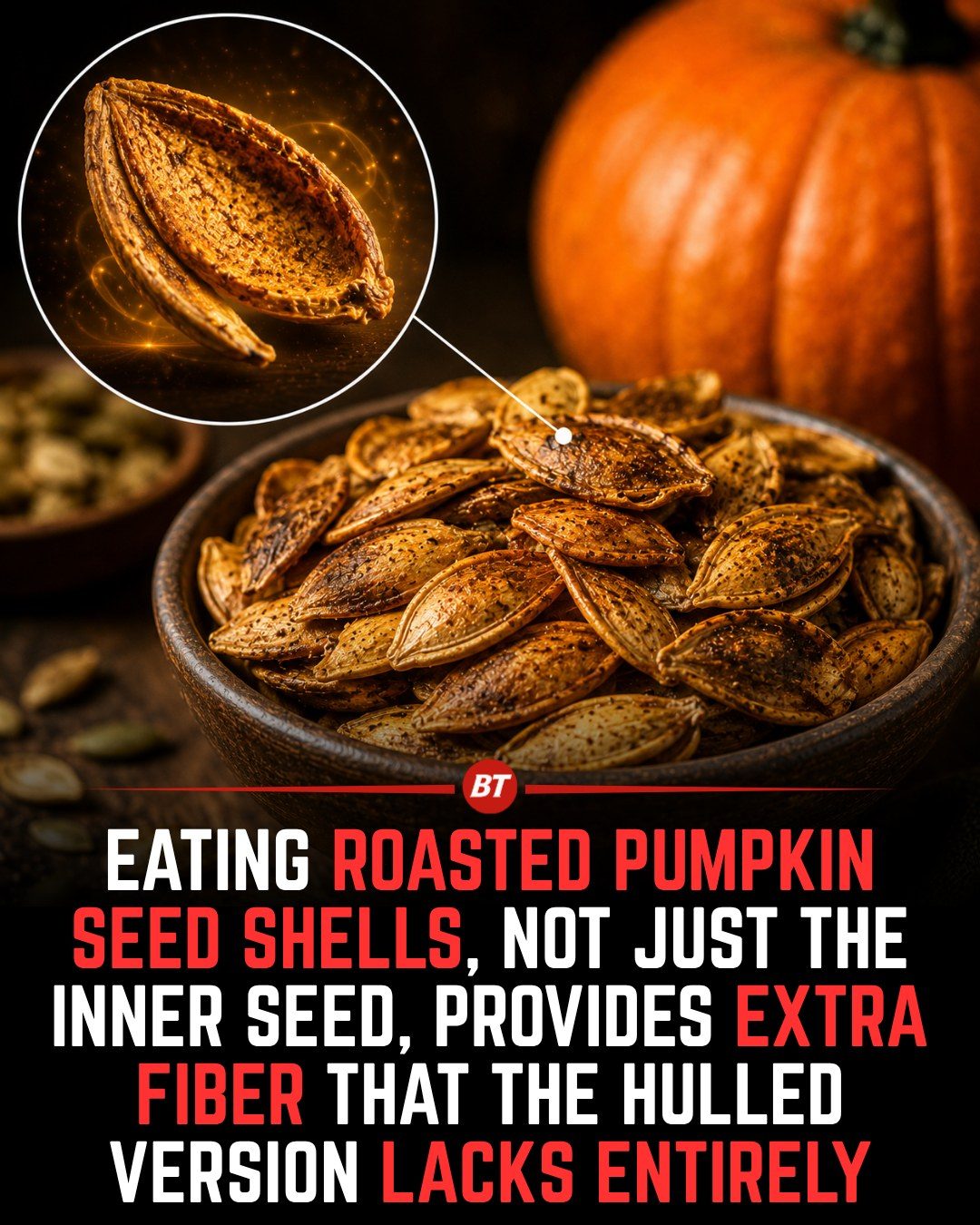
Roasted Pumpkin Seeds: More Than Just a Tasty Snack
Roasted pumpkin seeds are a popular snack, but did you know that eating the entire seed, including the shell, can offer even more digestive benefits than just the kernels alone? While many store-bought pumpkin seeds are sold hulled, meaning the outer shell has been removed, the shell contributes an extra layer of insoluble fiber that supports digestive health and regular bowel movements. Let's explore why whole pumpkin seeds are a nutritional powerhouse and how they can benefit your health.
Why This Matters
In today's fast-paced world, maintaining a balanced diet is crucial for overall health. Pumpkin seeds, with their rich nutrient profile, can be a valuable addition to your diet. By including the shells, you're not only adding flavor and texture but also enhancing the nutritional value.
The Nutritional Benefits of Whole Pumpkin Seeds
Whole pumpkin seeds are packed with essential nutrients. The inner seed is rich in magnesium, zinc, healthy fats, and plant protein, but the shell adds an extra dimension. The shell contains insoluble fiber, which is beneficial for digestive health. Insoluble fiber helps increase stool bulk, promotes healthy intestinal transit, and nourishes a diverse gut microbiome.
How Insoluble Fiber Supports Gut Health
Insoluble fiber is a type of dietary fiber that cannot be digested by the body. Instead, it passes through the digestive system relatively intact, aiding in the movement of food and waste through the gut. This process helps prevent constipation and supports regular bowel movements. A diet rich in insoluble fiber can also nourish a diverse gut microbiome, which is essential for overall digestive health.
Beyond Fiber: Other Benefits of Whole Pumpkin Seeds
Whole roasted pumpkin seeds contain beneficial compounds such as phytosterols, antioxidants, and lignans. These compounds have been studied for their potential roles in supporting heart health, prostate health, and healthy cholesterol levels. Phytosterols, for example, can help lower cholesterol levels by blocking the absorption of dietary cholesterol in the intestines. Antioxidants can help protect the body from damage caused by harmful molecules called free radicals, while lignans have been shown to support hormone balance and reduce the risk of certain cancers.
Practical Tips for Incorporating Whole Pumpkin Seeds into Your Diet
Incorporating whole pumpkin seeds into your diet is easy. Here are a few practical tips:
Choose the Right Seeds
When purchasing roasted pumpkin seeds, opt for lightly roasted seeds with the shells intact. These seeds are typically more flavorful and offer the full range of nutritional benefits. You can find them in many health food stores or online retailers. Avoid seeds that are heavily salted or seasoned, as these can negate the health benefits with added sodium and unhealthy fats.
Snack Mindfully
Enjoy a small handful of whole roasted pumpkin seeds as a crunchy and satisfying snack. The shells provide a satisfying crunch and can help you feel fuller for longer. Keep in mind that the shells are tougher and may not be suitable for everyone, especially those with sensitive digestive systems or certain gastrointestinal conditions.
Add to Meals
You can also sprinkle whole pumpkin seeds over soups, salads, or even yogurt for an extra boost of fiber, minerals, and healthy fats. This is a great way to add variety to your meals and enjoy the nutritional benefits of the seeds.
Important Takeaways
Whole roasted pumpkin seeds are a nutritional powerhouse, offering a range of health benefits that go beyond just the kernels. By including the shells, you're adding an extra layer of insoluble fiber that supports digestive health and regular bowel movements. The seeds are also rich in essential nutrients like magnesium, zinc, healthy fats, and plant protein, as well as beneficial compounds like phytosterols, antioxidants, and lignans.
Incorporating whole pumpkin seeds into your diet is easy and can provide a more complete nutritional package. Whether you enjoy them as a snack or add them to your meals, whole pumpkin seeds are a versatile and delicious way to boost your health.
Conclusion
Whole roasted pumpkin seeds are a tasty and nutritious addition to any diet. By including the shells, you're not only adding flavor and texture but also enhancing the nutritional value. The extra insoluble fiber supports digestive health, while the seeds' rich nutrient profile offers a range of health benefits. So next time you reach for a snack, consider opting for whole roasted pumpkin seeds and enjoy the full range of benefits they offer.
Watch the Reel
Questions readers ask
What makes whole roasted pumpkin seeds beneficial for digestion?
Whole roasted pumpkin seeds, including the shell, are rich in insoluble fiber. This type of fiber aids in digestion by promoting regular bowel movements and preventing constipation. By consuming the entire seed, you maximize these digestive benefits.
How does the shell of a pumpkin seed contribute to digestive health?
The shell of a pumpkin seed is packed with insoluble fiber, which is crucial for digestive health. This fiber helps to bulk up stool, making it easier to pass through the digestive system and promoting regular bowel movements. By eating the whole seed, you're taking advantage of this additional fiber content.
What are the differences in nutritional content between roasted pumpkin seeds with and without shells?
Roasted pumpkin seeds with shells offer more insoluble fiber than hulled seeds. The shell itself is a significant source of this fiber, which is beneficial for digestive health. While both types provide essential nutrients, the whole seed offers an extra boost to your daily fiber intake.
Can eating roasted pumpkin seeds with shells help alleviate digestive issues such as constipation?
Yes, the high insoluble fiber content in the shells of roasted pumpkin seeds can help alleviate constipation. This type of fiber adds bulk to stool, making it easier to pass through the digestive system. Including whole pumpkin seeds in your diet can promote more regular bowel movements and improve overall digestive health.
Are there any other health benefits associated with consuming whole roasted pumpkin seeds?
In addition to digestive benefits, whole roasted pumpkin seeds are packed with essential nutrients. They are a good source of magnesium, which is important for nerve and muscle function. Plus, they contain antioxidants that can help protect your cells from damage.
How can I incorporate more whole roasted pumpkin seeds into my diet?
Whole roasted pumpkin seeds can be easily incorporated into your diet as a snack or as an ingredient in various dishes. You can enjoy them on their own, add them to salads, or sprinkle them on top of yogurt and oatmeal. Pumpkin seeds can also be used in baking recipes and as a topping for soups and stews.
Related deep dives
Similar reads based on topic and creator.




Recent articles
Fresh deep dives from the latest Reels we unpacked.




Comments
Be the first to comment.