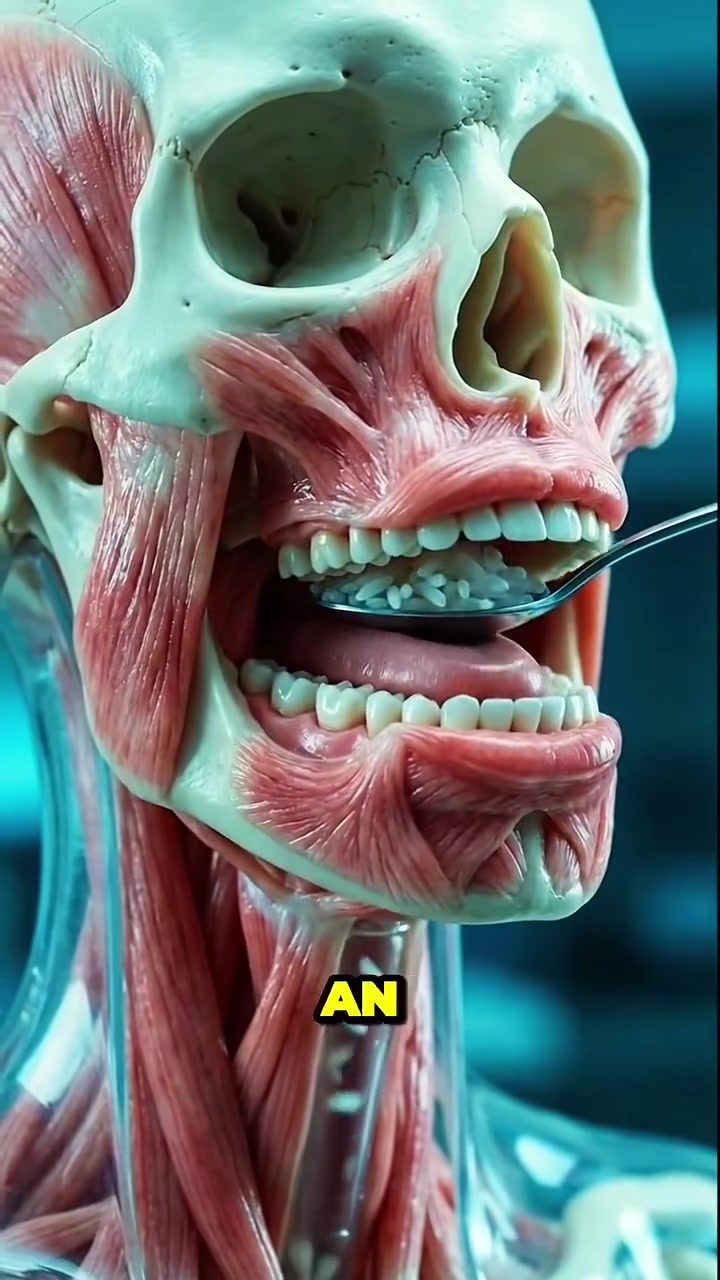
Rice and the Digestive System: A Surprising Journey
Understanding what happens when you eat rice on an empty stomach reveals the intricate workings of the digestive system. The journey of rice through the body illustrates the body's immediate and aggressive response to simple carbohydrates.
Context / Why this Matters
To grasp the significance of this process, it is crucial to understand the role of balance in digestion. The digestive system is a finely tuned mechanism that breaks down food, absorbs nutrients, and regulates energy levels. Rice, a staple in many diets, provides a clear example of how the body processes carbohydrates and maintains energy balance.
Main discussion
The Initial Stages: Mastication and Esophageal Transit
The digestive process begins in the mouth, where rice is chewed and mixed with saliva. This mechanical action, along with enzymes in the saliva, starts breaking down the starches in the rice. The chewed rice then moves down the esophagus through a series of muscular contractions known as peristalsis. This efficient transport system ensures the rice reaches the stomach quickly.
The Stomach: A Crucial Junction
Upon reaching the stomach, rice encounters a highly acidic environment. The stomach's muscular walls churn the rice, mixing it with gastric juices that contain hydrochloric acid and enzymes. This acidic cocktail breaks down the rice grains into smaller particles, which are then further digested into glucose. The stomach’s muscular contractions, highlighted by the on-screen text "MUSCULAR," ensure that the rice is thoroughly mixed and broken down.
Rapid Absorption and Swelling
Rice grains absorb water rapidly in the stomach, causing them to swell and expand. This swelling creates a feeling of fullness and helps regulate the rate at which nutrients are released into the bloodstream. The text "RICE" on the screen underscores the central role of this food in illustrating digestive processes.
The Small Intestine: Nutrient Absorption
As the digested rice exits the stomach, it enters the small intestine. The small intestine is the primary site for nutrient absorption, and it prepares for the influx of glucose by increasing its absorption capacity. Muscular contractions continue to push the glucose forward, facilitating rapid absorption. Blood sugar levels rise quickly, providing an immediate energy boost.
The Transient Energy Boost
The energy boost from the rapid absorption of glucose is short-lived. As insulin begins to do its job, blood sugar levels drop just as quickly. This fluctuation highlights the importance of balancing carb intake with other nutrients to maintain stable energy levels throughout the day. The text "BALANCE" on the screen emphasizes this critical aspect of digestion.
The Importance of Balance
Rice, being a simple carbohydrate, provides quick energy but lacks the sustained fuel that comes from a balanced meal. The quick rise and fall of blood sugar levels illustrate why balance is essential. Combining rice with proteins, fats, and fibers can slow down digestion, provide sustained energy, and prevent rapid fluctuations in blood sugar.
Practical Tips
Eating Rice: Best Practices
- Never Skip Breakfast: Eating rice on an empty stomach can lead to an energy crash. Pairing rice with other nutrients like proteins and fats can help maintain steady energy levels.
- Combine with Proteins and Fats: Adding foods rich in proteins and fats, such as eggs, nuts, or avocados, can slow down the digestion process, providing a more sustained energy release.
- Include Fiber: Incorporating fibrous foods like vegetables and whole grains can help regulate digestion and maintain steady energy levels.
- Portion Control: Eating smaller portions of rice spread throughout the day can help manage blood sugar levels and avoid energy crashes.
- Stay Hydrated: Drinking water can aid in digestion and help the body process carbohydrates more efficiently.
Important Takeaways
Rice, especially when consumed on an empty stomach, illustrates the rapid and aggressive nature of the digestive process. The journey of rice through the digestive system highlights the importance of balance in maintaining stable energy levels. While rice provides a quick energy boost, it is essential to pair it with other nutrients to ensure sustained energy and overall health.
Conclusion
The digestive journey of rice offers valuable insights into the body's complex processes. Understanding these processes can help in making informed dietary choices, ensuring a balanced and healthy lifestyle. Whether enjoying a simple bowl of rice or a more complex meal, being mindful of the body’s needs and responses can lead to better health outcomes.
Watch the Reel
Questions readers ask
What happens when you eat rice on an empty stomach?
When you eat rice on an empty stomach, your body initiates a swift digestive process. The carbohydrates in rice are rapidly broken down, triggering the release of glucose into the bloodstream to maintain energy levels.
How does the body digest rice so quickly?
Rice is a simple carbohydrate, which means it is easily broken down by the body. The digestive enzymes in the body quickly process the carbohydrates, leading to a fast digestion process. This is why the body can process rice quickly, even if you are eating it on an empty stomach.
What are the stages of rice digestion in the body?
The digestion of rice begins in the mouth with chewing, then it moves to the stomach where it mixes with digestive enzymes, and finally into the small intestine. It is here where the majority of nutrient absorption takes place, including the absorption of glucose from the broken-down carbohydrates.
How does eating rice on an empty stomach affect blood sugar levels?
Eating rice on an empty stomach can cause a quick spike in blood sugar levels, due to the rapid release of glucose from the broken-down carbohydrates. This immediate glucose release is necessary for maintaining energy balance, but it can also be a reason to monitor how much you eat and how you feel.
How does the digestive system regulate energy levels when processing rice?
The digestive system regulates energy levels by controlling the release of glucose from the broken-down carbohydrates. The pancreas releases insulin to help cells absorb the glucose, thus maintaining energy balance and ensuring the body has the energy it needs.
Why is it important to understand the digestion of simple carbohydrates like rice?
Understanding the digestion of simple carbohydrates like rice helps you monitor your body's response to different foods. It also helps in managing your diet and understanding how to maintain energy balance, which is crucial for overall health and well-being.
What role do enzymes play in the digestion of rice?
Enzymes, such as amylase, play a crucial role in the digestion of rice. These enzymes break down the complex carbohydrates in rice into simpler sugars like glucose, which can then be absorbed by the body and used for energy.
Related deep dives
Similar reads based on topic and creator.

Recent articles
Fresh deep dives from the latest Reels we unpacked.




Comments
Be the first to comment.