Pasta and Happiness
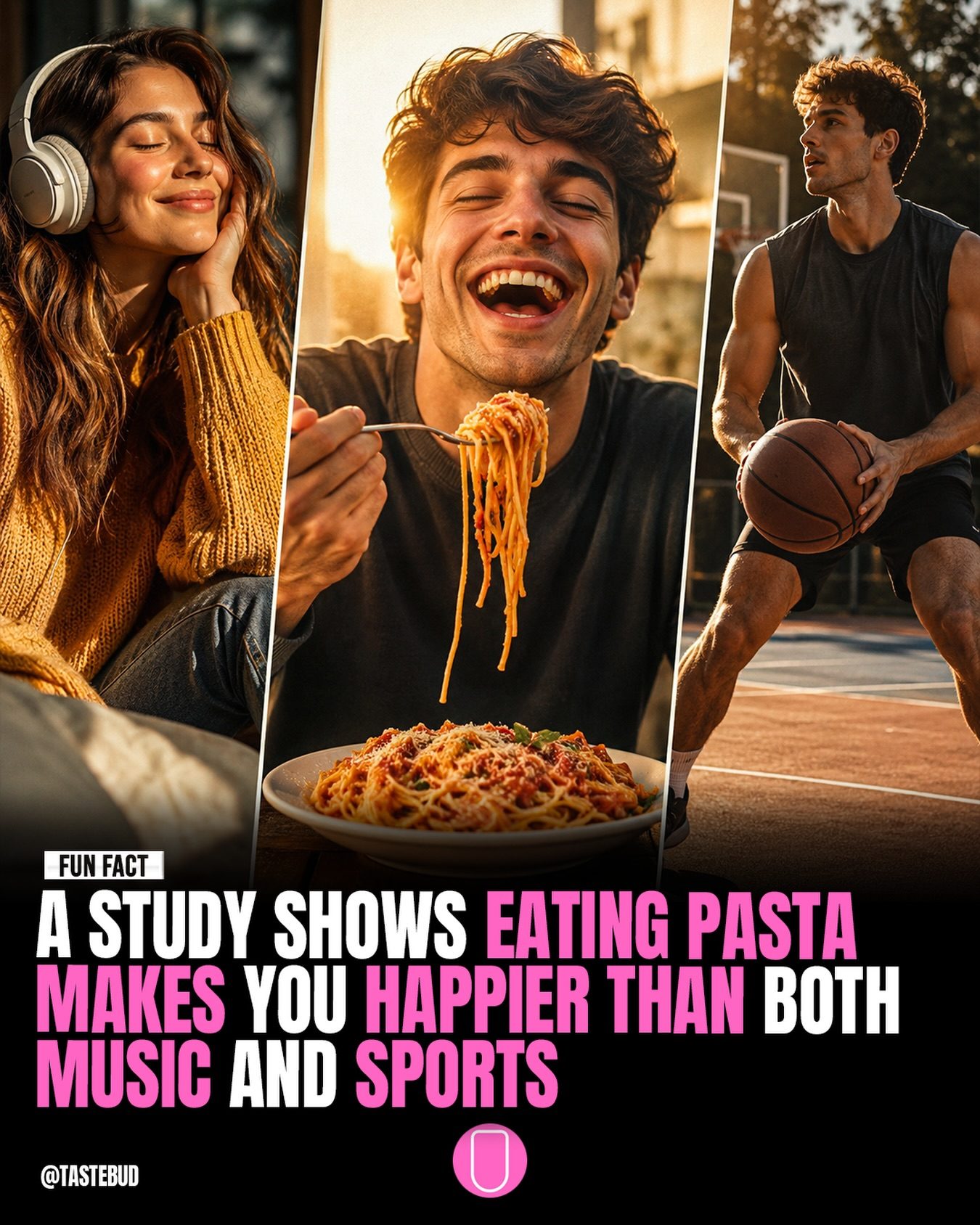
Pasta is more than just a comforting dish; a study from IULM University suggests that it can elicit strong positive emotional responses, sometimes even more than activities like listening to music or playing sports. This finding supports pasta’s reputation as a comfort food and opens up interesting discussions about the psychological and physiological effects of food.
Why This Matters
Understanding the emotional impact of food is crucial for several reasons. It can help individuals make better choices about what they eat, especially when dealing with stress or negative emotions. Additionally, recognizing the positive effects of certain foods can enhance overall well-being and contribute to a healthier lifestyle. The study provides insights into the psychological and physiological effects of food, highlighting the importance of both emotional associations and nutritional content.
The Science Behind Pasta and Happiness
Emotional Associations
The study from IULM University found that participants who ate pasta showed stronger positive emotional responses compared to those who engaged in other activities. The emotional benefits of pasta can be attributed to several factors. For many, pasta is associated with family, comfort, and home. These positive memories and associations can trigger feelings of happiness and contentment. Additionally, the tactile experience of eating pasta, such as the texture and taste, can contribute to a sense of well-being. The act of savoring a bowl of pasta can be a pleasurable and comforting experience, often enjoyed in the company of friends and family, reinforcing positive emotions.
Carbohydrate-Related Effects
Carbohydrates, which are a key component of pasta, also play a significant role in boosting mood. When consumed, carbohydrates stimulate the release of serotonin, a neurotransmitter known for its mood-regulating properties. Serotonin helps to reduce anxiety, improve mood, and promote a sense of calm. This biochemical response can contribute to the overall positive emotional experience associated with eating pasta.
Main Discussion
Pasta as a Comfort Food
Pasta has long been recognized as a comfort food, often associated with feelings of warmth, nostalgia, and satisfaction. This emotional connection to pasta can be traced back to cultural and personal experiences. For many, pasta dishes are often enjoyed during special occasions, family gatherings, and celebrations. These positive associations with pasta can enhance its mood-boosting properties, making it a go-to dish when seeking comfort and happiness.
The Role of Carbohydrates
The study suggests that the carbohydrate content in pasta contributes to its mood-boosting effects. Carbohydrates are essential for the production of serotonin, a neurotransmitter that plays a crucial role in regulating mood. When you consume pasta, your body breaks down the carbohydrates, which then stimulate the production of serotonin. This increase in serotonin levels can lead to a more positive emotional state, helping to alleviate stress and improve overall mood.
The Role of Emotional Associations
The emotional associations with pasta are equally important in understanding its impact on happiness. For many, pasta is linked to positive memories and experiences, such as family dinners, holidays, and special occasions. These emotional connections can trigger feelings of happiness and contentment, making the act of eating pasta a pleasurable experience. The combination of emotional associations and nutritional benefits contributes to pasta's reputation as a mood-boosting food.
Practical Tips
Incorporating Pasta into Your Diet
To harness the mood-boosting benefits of pasta, consider incorporating it into your diet in a balanced and mindful way. Here are some practical tips:
- Choose Whole-Grain Pasta: Opt for whole-grain pasta varieties, which offer more fiber and nutrients compared to refined pasta. This can help you feel fuller for longer and provide sustained energy.
- Pair with Nutrient-Rich Ingredients: Combine pasta with a variety of nutrient-rich ingredients, such as vegetables, lean proteins, and healthy fats. This can enhance the nutritional value of your meal and make it more satisfying.
- Portion Control: Pay attention to portion sizes to avoid overconsumption. A balanced approach ensures that you enjoy the benefits of pasta without overindulging.
- Mindful Eating: Take the time to savor your pasta dish, focusing on the flavors, textures, and aromas. Mindful eating can enhance the overall pleasure of the meal and contribute to a more positive emotional experience.
Enhancing the Experience
To further enhance the emotional benefits of eating pasta, consider the following:
- Share with Others: Enjoying pasta with friends and family can amplify the positive emotional experience. Sharing a meal with loved ones can create lasting memories and strengthen social bonds.
- Create Rituals: Incorporate pasta into special occasions, holidays, or weekly rituals. This can help reinforce the positive associations with the dish, making it a cherished part of your culinary traditions.
Important Takeaways
Eating pasta can lead to a stronger positive emotional response, sometimes even more than activities like listening to music or playing sports. This is due to the combination of emotional associations and the carbohydrate content in pasta, which can stimulate the release of serotonin, a neurotransmitter that regulates mood.
The study from IULM University provides valuable insights into the psychological and physiological effects of food, highlighting the importance of both emotional associations and nutritional content in promoting happiness and well-being.
Pasta’s reputation as a comfort food is well-deserved, given its emotional and nutritional benefits. By incorporating pasta into your diet in a balanced and mindful way, you can harness its mood-boosting properties and enhance your overall well-being.
Conclusion
Pasta’s ability to elicit strong positive emotional responses makes it a valuable addition to any diet. Whether it’s the emotional associations or the carbohydrate-related effects, pasta offers a unique combination of psychological and physiological benefits. By understanding and appreciating these aspects, you can enjoy pasta as a comforting and happiness-boosting dish, contributing to your overall well-being.
Watch the Reel
Questions readers ask
What did the IULM University study find about pasta and emotional responses?
The IULM University study found that eating pasta can evoke strong positive emotional responses. These responses can sometimes be more intense than those experienced from activities like listening to music or playing sports.
How does the texture and taste of pasta contribute to happiness?
Pasta's comforting texture and delicious taste are key factors in the emotional responses it evokes. These sensory experiences can trigger strong feelings of comfort and happiness, making pasta a popular comfort food.
Why is pasta often associated with family and home?
Pasta is often deeply connected to family and home due to its role in many cultural traditions and family meals. This association can enhance the emotional benefits of eating pasta, evoking feelings of warmth, nostalgia, and belonging.
How can understanding the emotional impact of pasta help individuals make better food choices?
Recognizing the emotional benefits of pasta can help individuals make better food choices, especially during times of stress or negative emotions. By understanding how certain foods affect their mood, people can choose to include pasta in their diet as a way to boost their emotional well-being.
What are the potential benefits of choosing pasta over sports for happiness?
While both activities can bring happiness, the immediate emotional satisfaction from eating pasta can be more powerful and accessible, making it a popular choice for instant stress relief. However, engaging in sports and eating pasta can both contribute to overall happiness in different ways.
In what ways can pasta contribute to overall well-being?
Pasta contributes to overall well-being by providing immediate emotional comfort and happiness. Its strong positive emotional responses can help reduce stress and improve mood, making it a beneficial addition to a healthy lifestyle.
Why is it important to recognize the positive effects of certain foods like pasta?
Recognizing the positive effects of certain foods, such as pasta, can help individuals incorporate these foods into their diets to enhance their overall well-being. This understanding can lead to better food choices and improved emotional stability.
Related deep dives
Similar reads based on topic and creator.




Recent articles
Fresh deep dives from the latest Reels we unpacked.




Comments
Be the first to comment.